How Fulbright Builds Academic Bridges Between the U.S. and Greece, Its Initiatives, and Two Brilliant Examples
By Katerina Florous
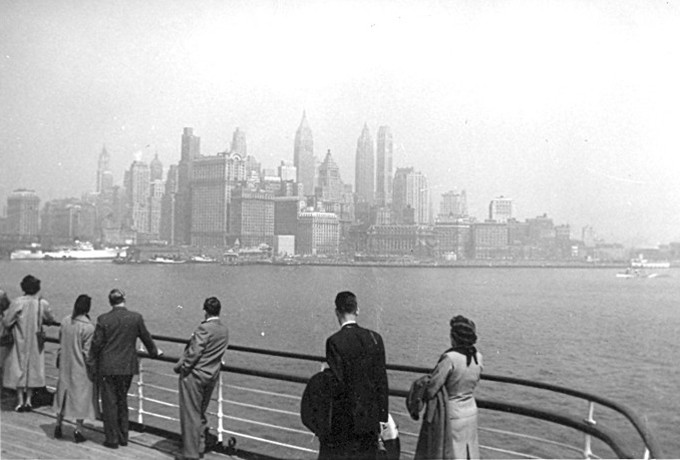
If you spend enough time in rooms filled with Fulbright alumni, one thing becomes immediately clear: these are people who don’t just cross borders — they expand them. The Fulbright Program, founded in 1946 with the ambition of fostering understanding through academic and cultural exchange, has become one of the most enduring bridges between nations. Today it operates in more than 160 countries, offering thousands of fellowships each year to scholars, artists, scientists, and thinkers whose work shapes our shared global story.
Greece has long been part of that story. In fact, the Fulbright Foundation in Greece, established in 1948, was the very first in Europe — a quiet but remarkable milestone. Since then, it has supported more than 6,000 Greek and U.S. scholars, becoming a trusted anchor for academic exploration and cultural collaboration. Part advising center, part community hub, part launchpad, it reflects the essence of Fulbright’s mission: curiosity, transparency, equal opportunity, and genuine human connection.
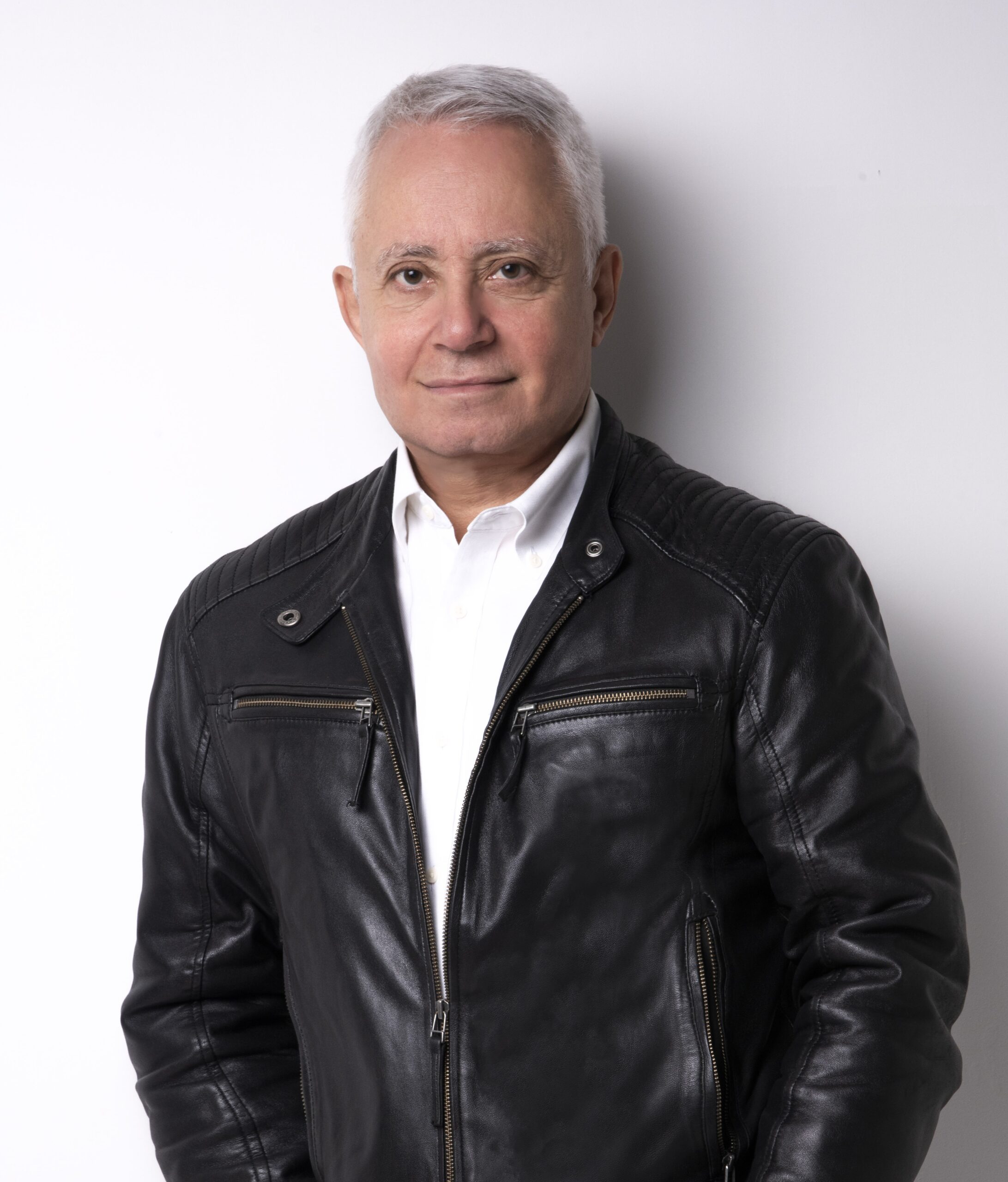
This work, of course, doesn’t happen on autopilot. It is driven by people whose passion keeps the program not only running but thriving. A sincere thank-you belongs to Executive Director Artemis A. Zenetou, whose leadership has strengthened the community and helped Fulbright Greece remain innovative, welcoming, and deeply engaged with its alumni.
The Art of Giving: Creativity Fueling Opportunity
Among Fulbright Greece’s most imaginative initiatives is The Art of Giving: A Creative Way to Support Scholarships by Collecting Fulbright Alumni Art. This project, part of the growing Art Supports Education – Fulbright Alumni Art Series, brings art and philanthropy together in a way that feels both organic and inspiring.
Here, Fulbright alumni artists donate their works to raise funds for scholarships — a gesture that carries the warmth of gratitude and the spirit of giving back. Each artwork sold becomes part of a new scholar’s journey. It’s a simple idea, but beautifully circular: art nurtured by education now returns to support education.
Visitors can browse the online catalogue or view pieces in person at the Fulbright office. The initiative continues to grow, with its next major event planned for spring 2026. What makes it powerful is not scale but sincerity — the way each piece of art becomes a small bridge between creativity and opportunity.
Two American Voices Shaped by Greece
Fulbright’s most compelling stories often come from the scholars themselves — people who arrive in Greece expecting to conduct research or make art, and end up leaving with something deeper: a sense of belonging, a rediscovered purpose, a new way of seeing.
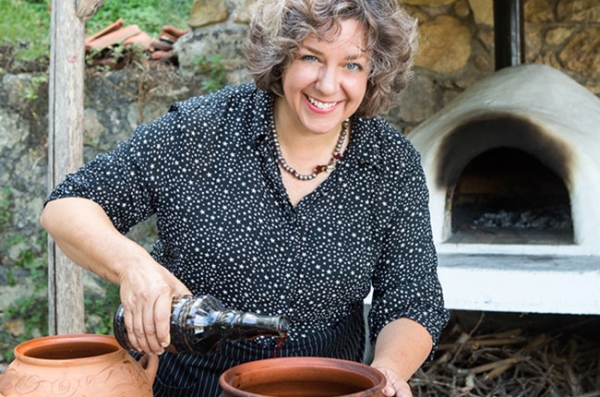
Dr. Jerolyn E. Morrison, a Minoan archaeologist, potter, and culinary historian, came to Greece as a U.S. Fulbright Student in 2006–2007. Her work today feels like an ongoing conversation with the past. Through Minoan Tastes, the social-minded project she founded, she cooks in ceramic pots, documents local food traditions, and collaborates with scholars and craftspeople across Crete and Kos. There’s something wonderfully sensory about her approach — archaeology you can taste.
Her time as a Fulbright scholar provided the cultural grounding and community that helped shape her path. Greece offered the space to connect her research, craft, and storytelling into a single, meaningful practice. “It helped the pieces of Greek life fall into place,” she often notes — and those pieces continue to guide her work today.
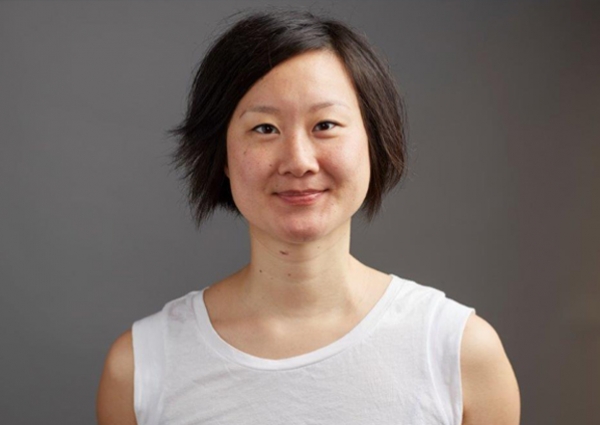
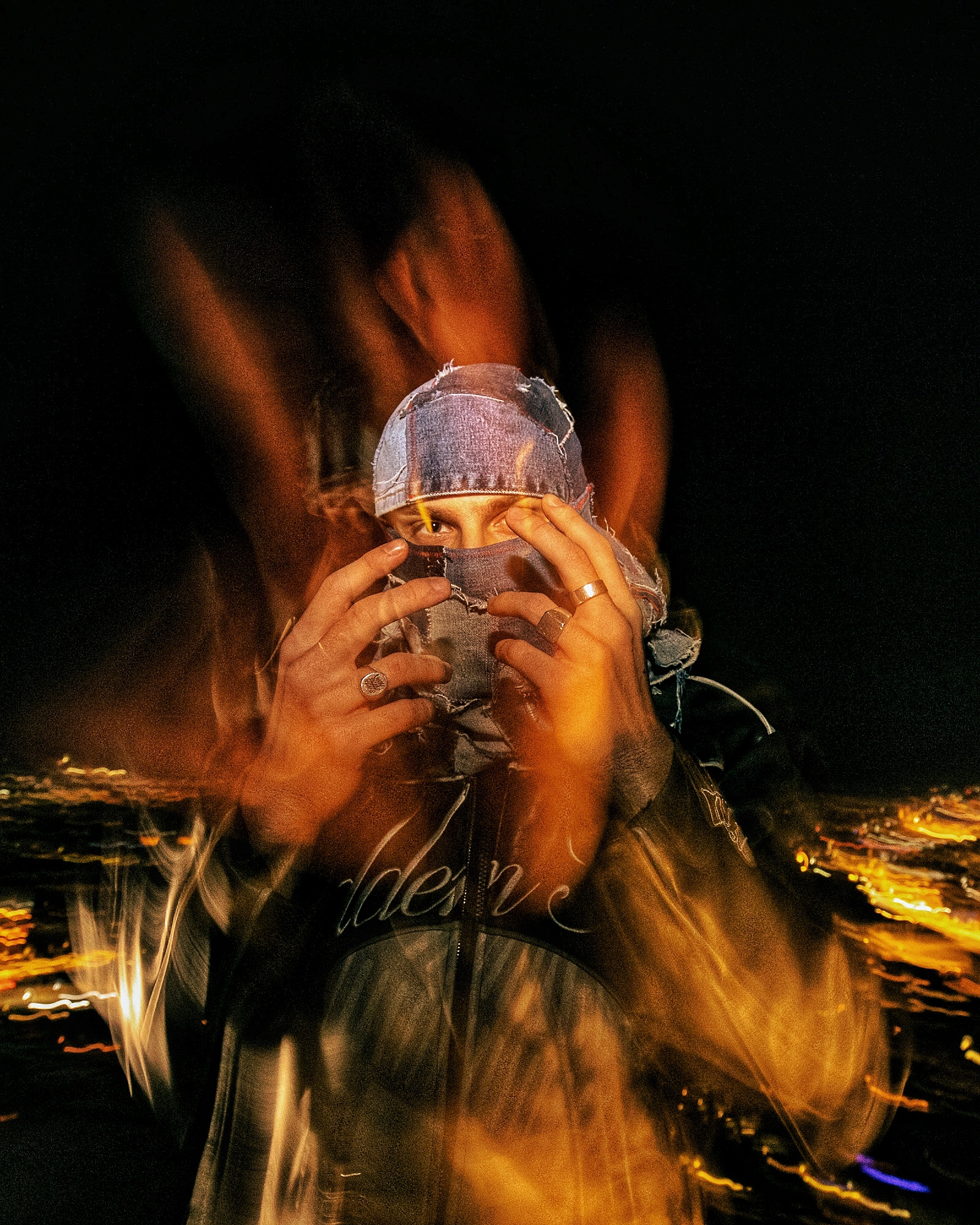
Dr. Toby Lee, an artist, anthropologist, and filmmaker, arrived during a very different moment in Greek history. As a Fulbright researcher in 2008–2009, she witnessed the early years of the financial crisis — a period of tension but also extraordinary artistic resilience. Her experiences informed her acclaimed book The Public Life of Cinema, which examines Greece’s film world during a time of upheaval and reinvention.
Lee’s ties to Greece have remained strong. Her film and video works have appeared in festivals and museums from Locarno to Thessaloniki, reflecting the enduring influence of the relationships and insights she gained during her Fulbright year.
At its heart, Fulbright is not just a scholarship program. It is a web of human stories — artists and archaeologists, filmmakers and scientists, people who arrive as strangers and leave as part of a wider community. Through its initiatives, its alumni, and the people who keep it alive, Fulbright continues to build bridges between Greece and the United States: bridges of knowledge, creativity, and connection that only grow stronger with time.