Greece’s Exile History
The Aegean as a Prison for Political Opponents
Greece’s history has often been marked by moments of intense political tension, where the ruling powers used exile as a tool to silence their critics. Especially during times of civil unrest or authoritarian rule, remote islands in the Aegean became infamous sites of isolation and suffering for political opponents. Although the practice of exile dates back to the 19th century, it truly escalated in the 20th century during Greece’s civil war and the military dictatorship that followed.
Exile as a Political Weapon
Exile in Greece was often seen as a way to rid the country of individuals who challenged the state. It wasn’t just about removing opponents—it was about silencing them, making sure they were far from any power or influence. This strategy took a more formalized shape in 1929 with the Idionymo Law, which legalized judicial exile for anyone considered politically dangerous. Exile became even more widespread during the dictatorship of Ioannis Metaxas in the late 1930s and later, under the military junta from 1967 to 1974.
The Greek islands—many of them isolated and desolate—were the perfect place to send those who disagreed with the regime. While the practice had existed earlier, it truly reached its peak after the Greek Civil War and during the post-war era.
The Islands of Exile
Some of the most notorious islands used as exile sites were Makronisos, Gyaros, Agios Efstratios, Ikaria, and Anafi.
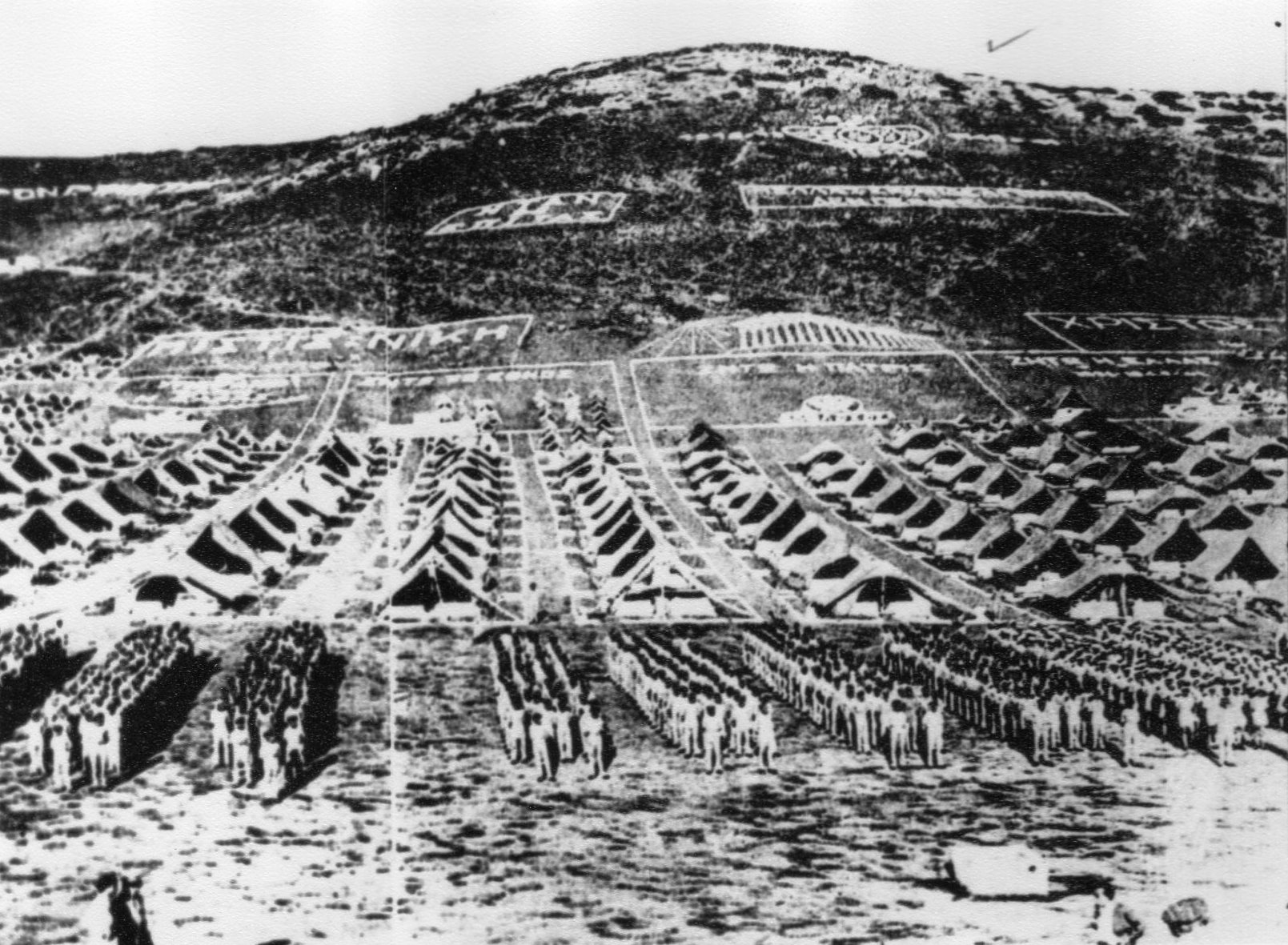
- Makronisos (1947–1961) became infamous for housing thousands of political prisoners. Over 27,000 soldiers and 30,000 civilians were sent there during its use as a detention camp. Its dark history led to its recognition as a historical site in 1989.
- Gyaros (1947–1974) was another island that saw thousands of exiles, operating as a detention camp for nearly three decades. Though it was designated a historical site in 2002, its full recognition was later limited to just a small section of the island.
- Agios Efstratios (1928–1962) was a place where many intellectuals, writers, and artists ended up. It was a place where creative minds were silenced, many of whom opposed the government’s policies.
- Ikaria (1947–1949) held over 7,000 exiles, many of them people who had fought for a different political vision for Greece.
- Anafi (1923–1967) was used for a long stretch as an exile island, housing political prisoners and revolutionaries during some of the country’s most volatile years.
While these islands were the main locations of exile, other islands like Chios, Aegina, Alonissos, and Kithira also played a role, though often on a smaller scale. Leros (1967–1974) is perhaps the most well-known of the smaller islands used during the 1967-1974 junta.
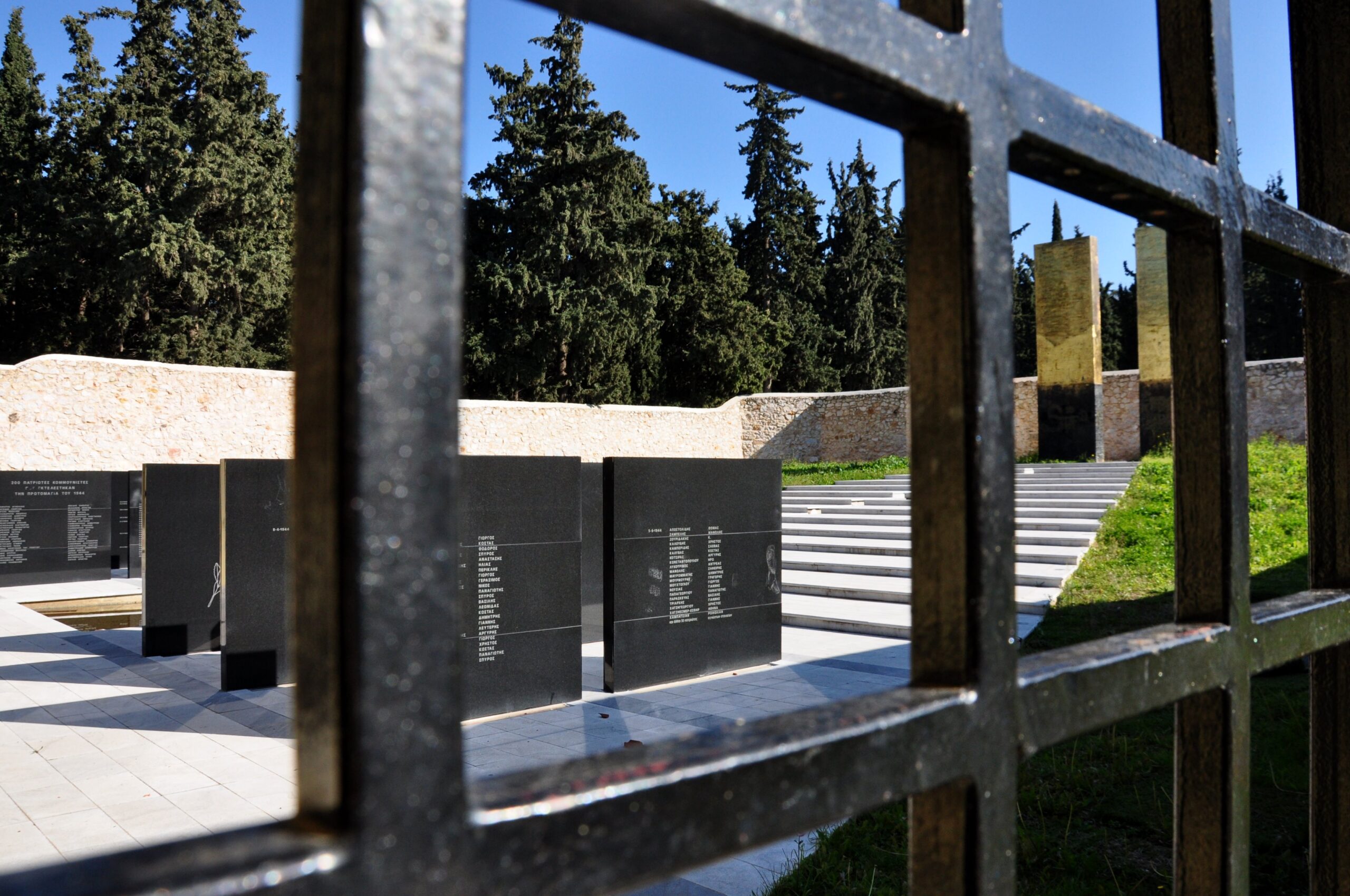
The use of exile as a political tool began to fade after the fall of the military junta in 1974. The islands that once housed these prisoners of conscience are now part of Greece’s difficult history, reminders of the lengths to which governments will go to maintain control. Many of these islands are now recognized as historical sites, offering a chance for reflection and remembrance of the oppression that took place there.
Though exile as a practice has ended, the legacy of these islands lingers in the collective memory of Greece. They serve as a stark reminder of the resilience of those who were exiled and the high cost of political repression. Today, these islands are not only places of beauty but also places where Greece’s darker chapters are remembered, ensuring that such abuses are never forgotten.