From Greece to the U.S.: Fulbright Alumni Shaping Culture, Creativity, and Accessibility
By Katerina Florous
Last week, we shared stories of U.S. scholars bringing knowledge and creativity to Greece. This week, we turn the lens the other way: Greek Fulbright alumni traveling to the United States, carrying their culture, innovation, and vision, and returning with experiences that resonate far beyond their immediate fields.
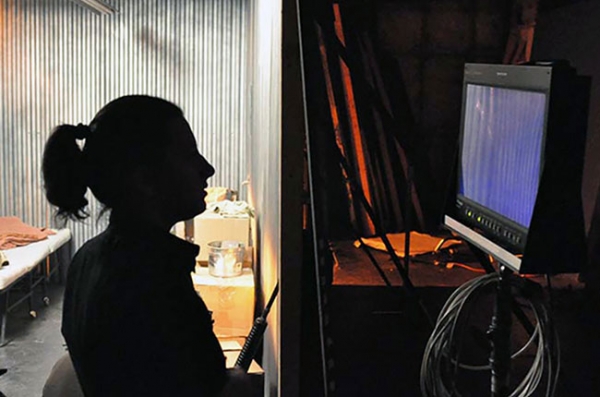
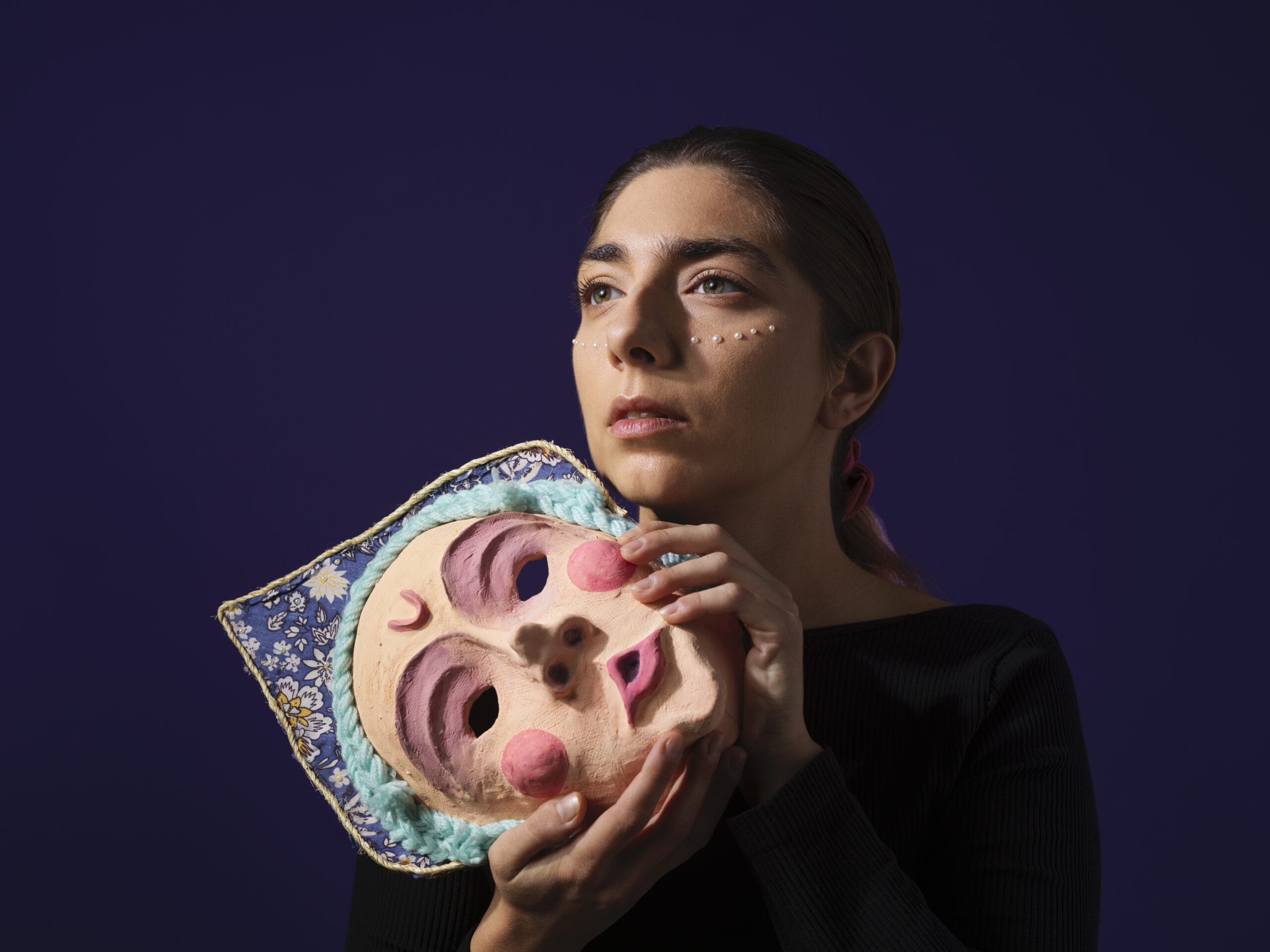
Eirini Steirou: Cinema as a Lens on Society
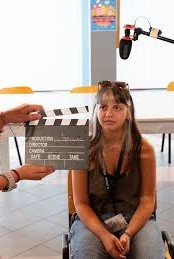
Eirini Steirou, a Fulbright Student in 2007–2008, approached her U.S. experience as both an artist and a cultural observer. Moving from her background in architecture to the vibrant film scene of San Francisco, she studied at the School of Cinema at San Francisco State University, an institution celebrated for its progressive ethos and creative experimentation.
Her films explore memory, trauma, and human connection, often highlighting community networks—from grassroots initiatives to established institutions. Through character-driven narratives and short documentaries, Eirini captured the transformative power of education, documenting ten Fulbright scholars’ personal and professional journeys. Her work has been featured in festivals and earned accolades, including the Murphy and Cadogan Fellowship for emerging artists from the San Francisco Foundation.
Beyond filmmaking, Eirini co-founded a light-art collective producing immersive public installations across Europe. Her trajectory reflects Fulbright’s philosophy: learning abroad inspires creativity, collaboration, and global dialogue.
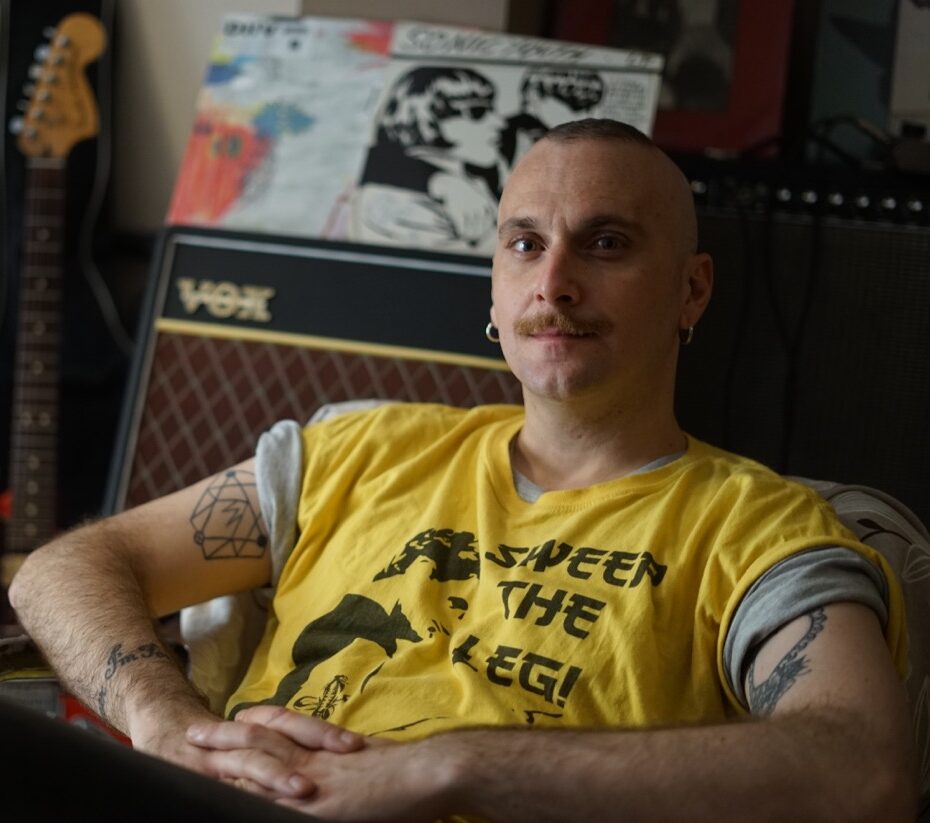
Fotis Flevotomos: Reimagining Art Accessibility
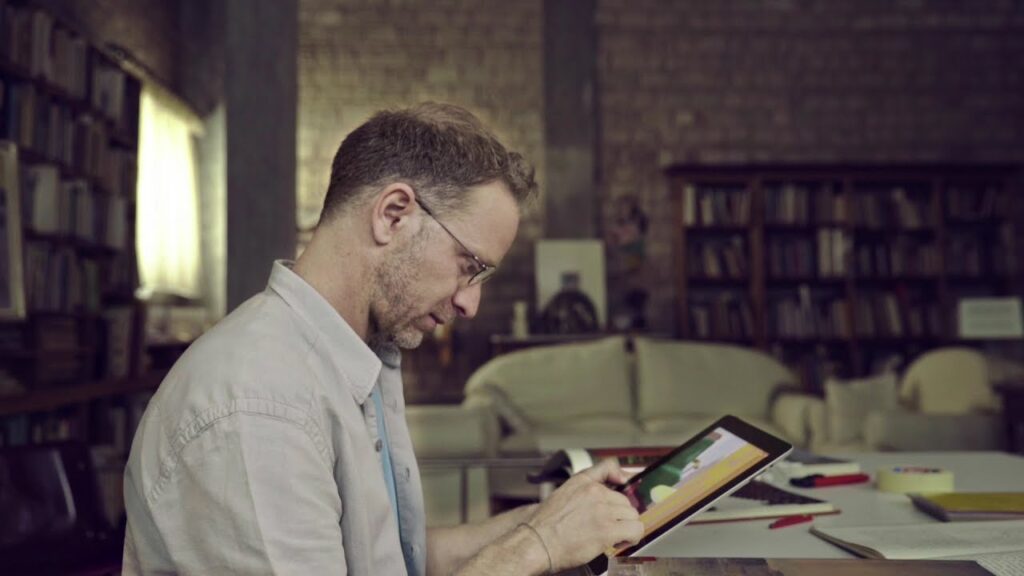
Greek artist Fotis Flevotomos brought his vision to the United States with a Fulbright Artist Scholarship at the New York Public Library. He specializes in multisensory narratives, designing museum experiences accessible to people with visual impairments while offering alternative, immersive ways for all visitors to experience art.
During his Fulbright tenure, Fotis conducted pioneering research, forged long-term collaborations, and launched projects that continue to advance accessibility in visual arts. His experience demonstrates how Fulbright can transform specialized artistic research into socially impactful, globally relevant work. Reflecting on his time in the U.S., he notes, “The Fulbright grant provides ideal conditions to tackle the most ambitious challenges in your field.”
These stories highlight the two-way essence of Fulbright: just as U.S. scholars enrich Greece with their ideas, Greek alumni contribute innovation, culture, and creativity to the United States. Through film, art, and research, these alumni show how global exchange strengthens understanding, community, and accessibility.
As Fulbright Greece celebrates more than seven decades of educational and cultural partnerships, the achievements of alumni like Eirini and Fotis underscore the program’s lasting impact. Their journeys are not only personal milestones—they are bridges connecting nations, ideas, and people.Explore more about these scholars and their work at https://www.fulbright.gr/en/