
The Cake that brings the new year in
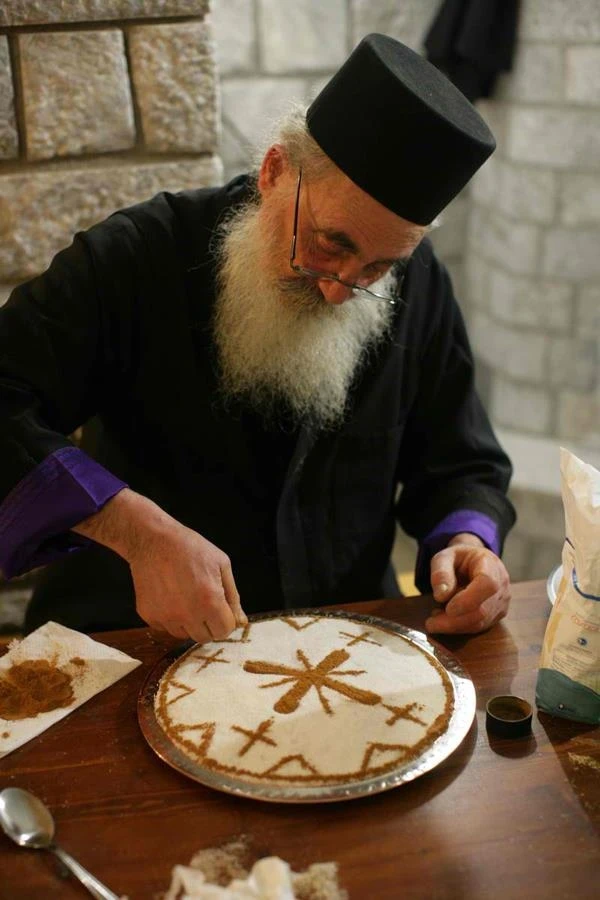
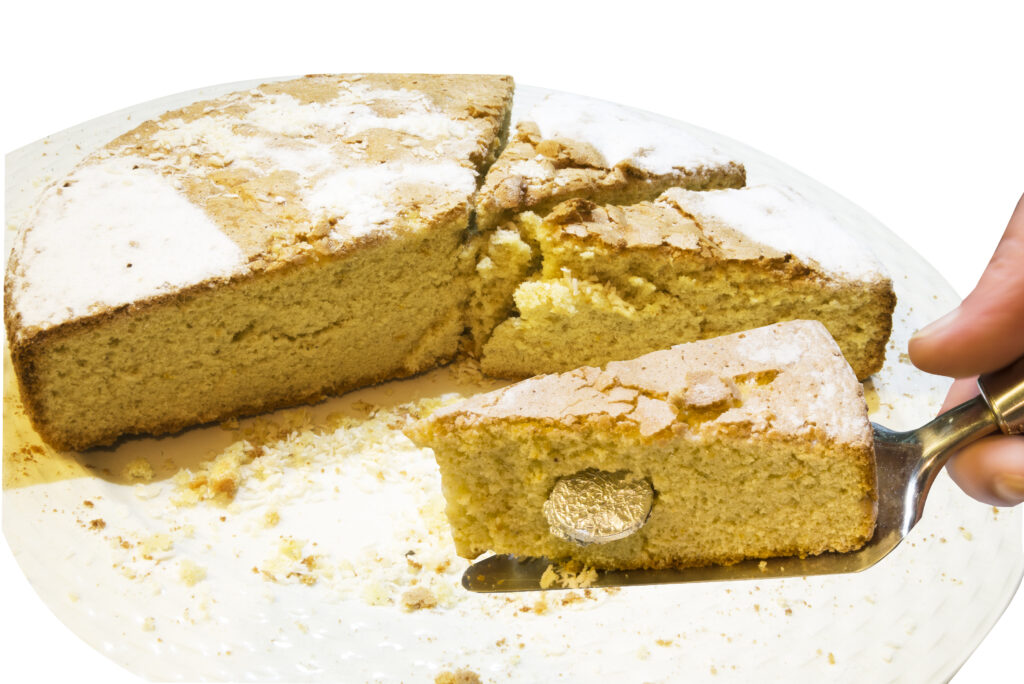
Vasilopita (literally “Basil’s pie”) is the festive cake Greeks share at midnight on New Year’s Eve or cut on New Year’s Day in honor of Saint Basil the Great (Agios Vasileios). Its hallmark is a hidden coin (flouri). When the cake is sliced—traditionally first for Christ, the household, and absent members, then for each person—the recipient of the coin is believed to receive luck, prosperity, and God’s blessing for the year.
The custom blends Christian devotion with older Greek notions of good fortune at the turn of the year. Its most popular origin recounts that Saint Basil, seeking to return unjust taxes to the poor of Caesarea, baked the valuables into loaves; miraculously, each family received the item that belonged to them. Over time, this miracle narrative fused with New Year’s rites to create a charitable, family-centered celebration. Historically, Vasilopita also aligns with Byzantine and post-Byzantine traditions of marking the New Year with songs. Kalanda (kálanta) are traditional Greek carols sung door to door—mainly on Christmas Eve, New Year’s Eve (for St. Basil), and Epiphany. Children typically sing them while tapping small metal triangles or drums, offering blessings for prosperity and health.
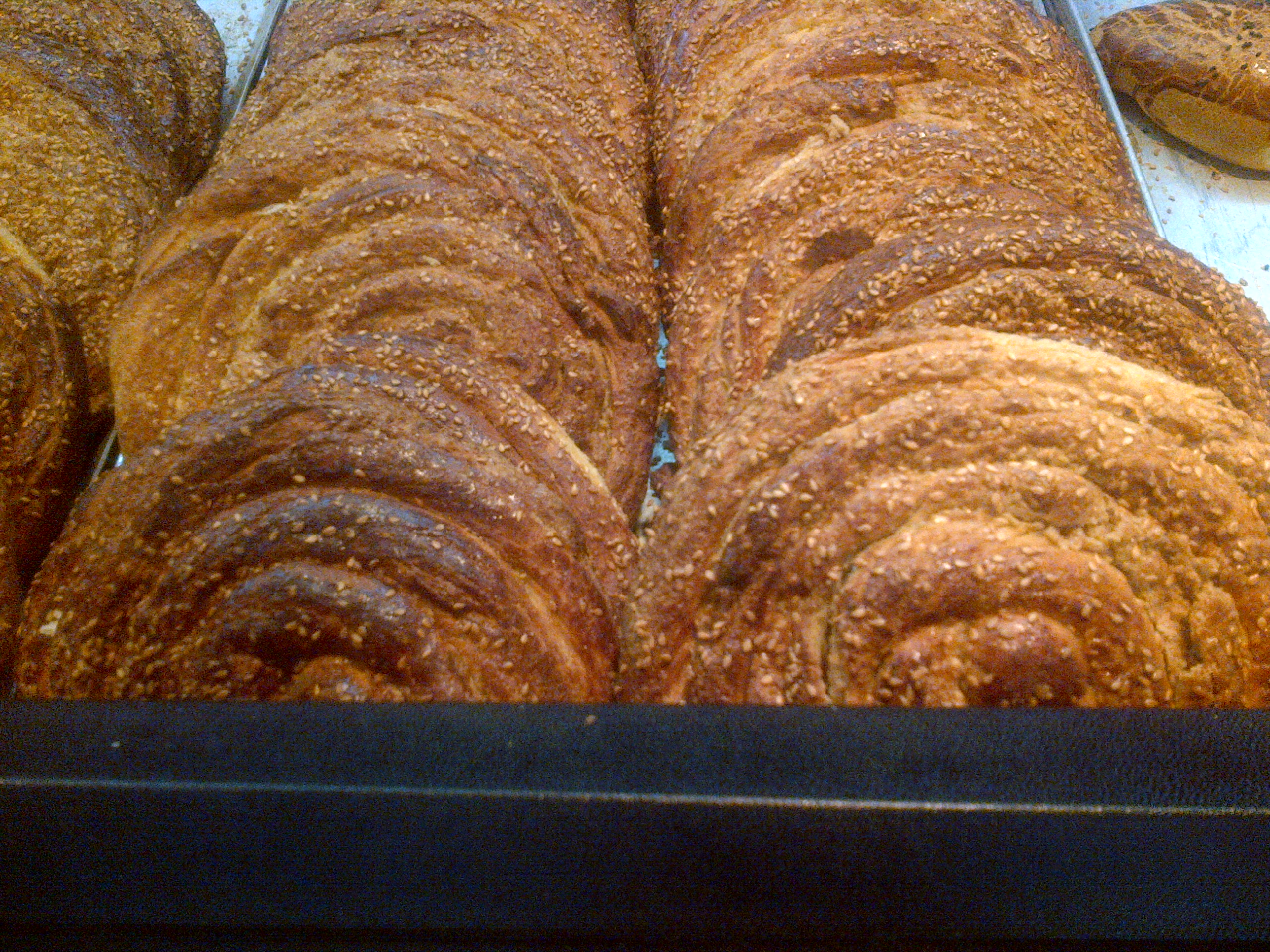
Beyond the classic butter cake, vasilopita varies by region: in the Peloponnese and Athens it’s often orange-scented and dusted with powdered sugar; in Thessaloniki it can resemble a rich tsoureki brioche flavored with mahlepi or mastic; in Epirus and Macedonia savory versions appear as phyllo pies with cheese or greens. The top may bear the new year written in almonds or icing. Coins range from simple tokens to silver charms; some families add a second coin for charity. Cutting ceremonies happen at home.