
World’s Oldest Shipyard in ancient Greece
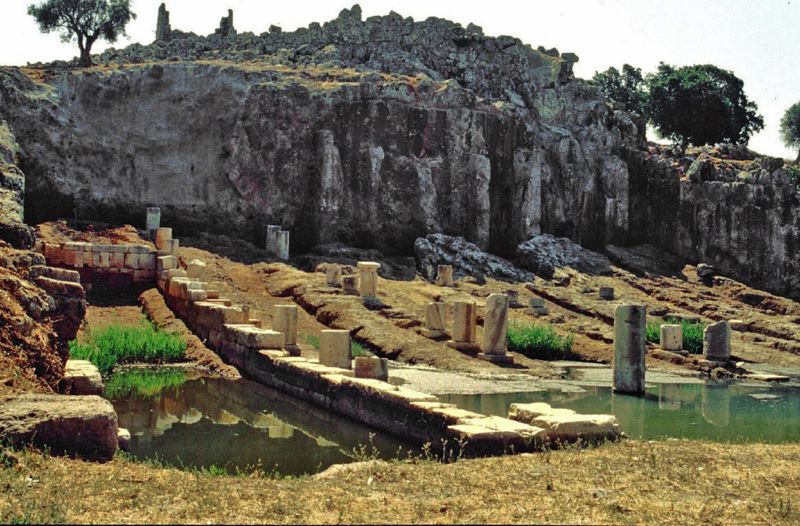
Ancient Oeniadae, located along the southern coast of modern-day Greece, is a fascinating site with a rich maritime history. This city, established around the 8th century BC, was renowned for being the home of some of the world’s oldest shipyards. Its strategic position along the Acheron River provided an ideal location for constructing and launching ships that linked it to the wider Mediterranean world.
Archaeologists have uncovered extensive remains of shipbuilding facilities that date back to the 5th century BC. These early shipyards were sophisticated for their time, utilizing large timber frameworks and complex tools to build sturdy vessels capable of long voyages. The ships produced here played crucial roles in trade, exploration, and warfare, helping Oeniadae forge connections with other ancient civilizations.
What makes Oeniadae particularly interesting is its role in regional trade networks. Its ships sailed across the Mediterranean, carrying goods like olive oil, wine, and pottery. This trade helped the city flourish economically and culturally, making it a vital hub in ancient Greece. The shipyards also reflect the technological advancements of the time, showcasing early examples of shipbuilding techniques that would influence future maritime developments.
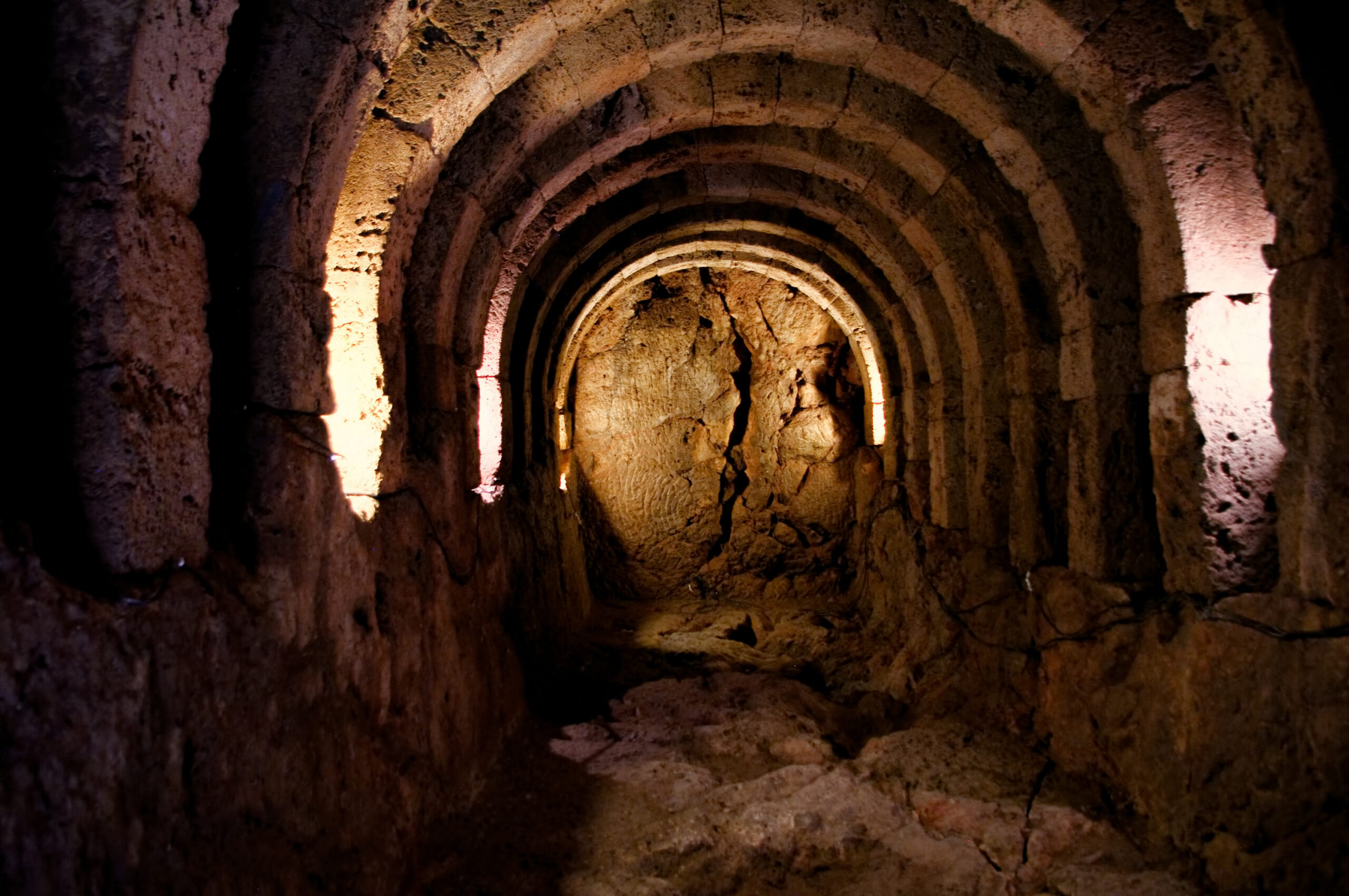
Today, the remnants of Oeniadae’s shipyards offer us a glimpse into ancient engineering and maritime craftsmanship. Underwater surveys have revealed buried timbers and hull remains, giving archaeologists valuable insights into ancient ship construction. Visiting Oeniadae’s site, you can imagine the bustling activity that once filled these waters—where ships were built, launched, and set sail across the ancient seas, connecting peoples and cultures in a web of trade and exploration.
Photo credit: Wikimedia Commons