fbpx

Echoes Through Time

The Reign of Otto of Greece

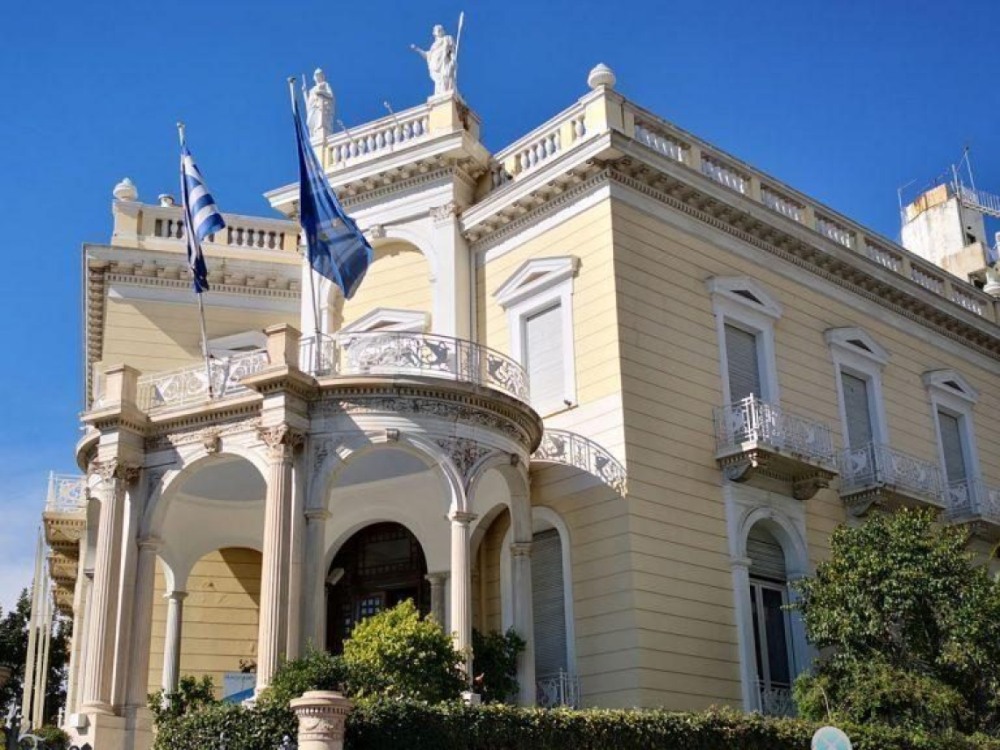
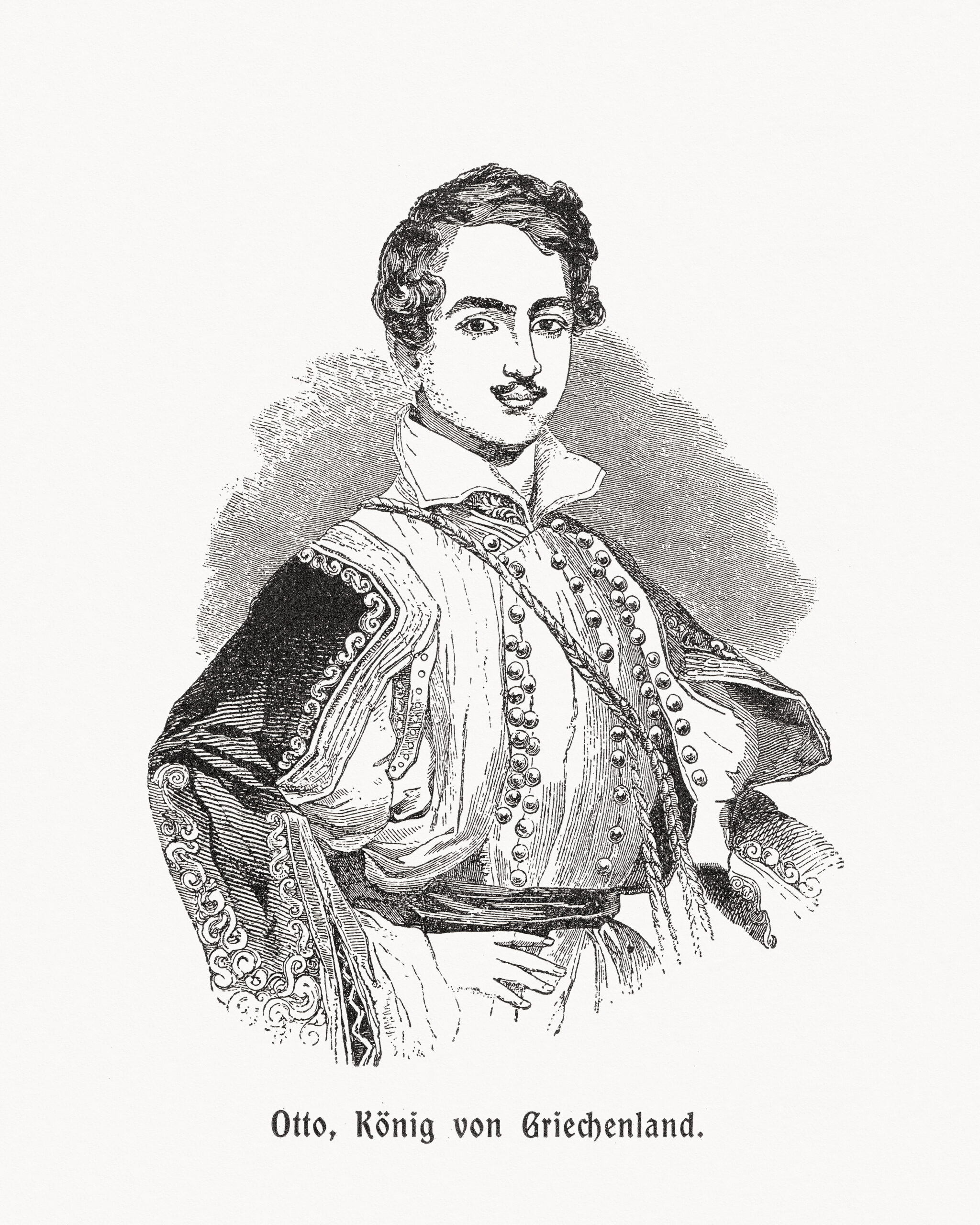
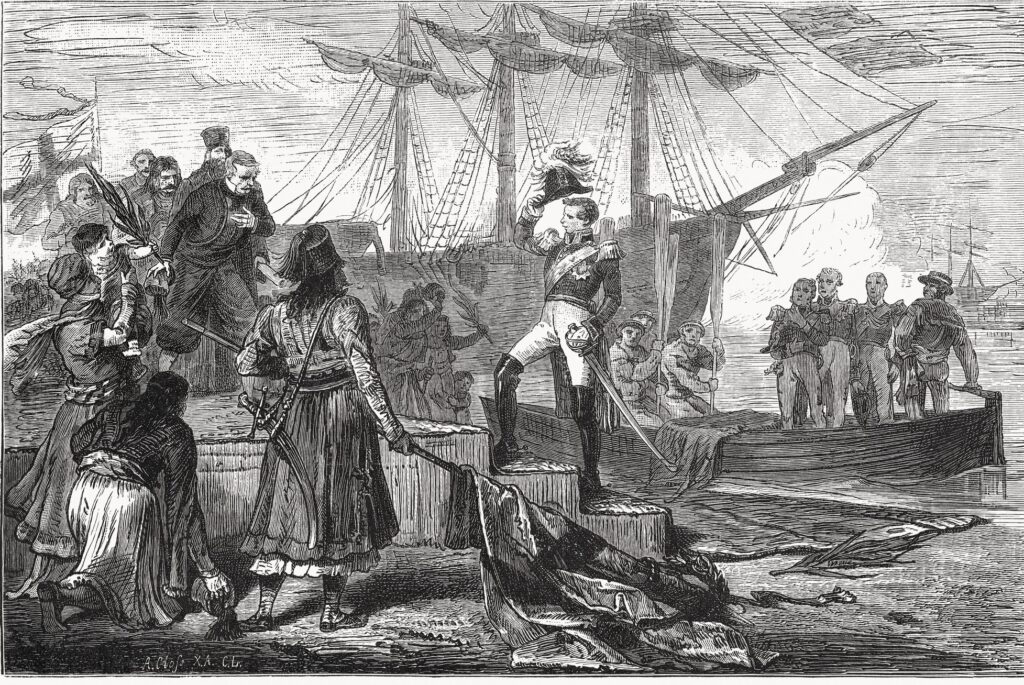
In 1832, Otto of Bavaria ascended to the throne as the first king of Greece, following the establishment of an independent state. His reign symbolized both hope and challenges for a nation craving stability and development after years of conflict.

Otto faced numerous difficulties. His rule began amid significant expectations from the Greek population, who viewed him as a foreign monarch with a mandate to modernize the country. Initially, he introduced various reforms in administration, education, and infrastructure, emphasizing the need for a centralized government.

However, his foreign status generated resentment among Greeks who expected a more representative government. Otto’s reliance on Bavarian advisors further alienated many, and by the 1840s, discontent among the populace had intensified. Significant revolts erupted demanding a constitution and greater political representation.

In 1862, Otto was deposed in a coup, following escalating public discontent and political dissatisfaction. His departure marked a turning point in Greek governance, leading to the establishment of a more representative constitutional monarchy. Otto’s reign, while short-lived and controversial, paved the way for modernization and the eventual relative stability of the Greek state, highlighting the complexities of post-independence governance.
Leave a comment

Leave a Reply

Your email address will not be published. Required fields are marked *

Comments

Related Stories from

About the Period

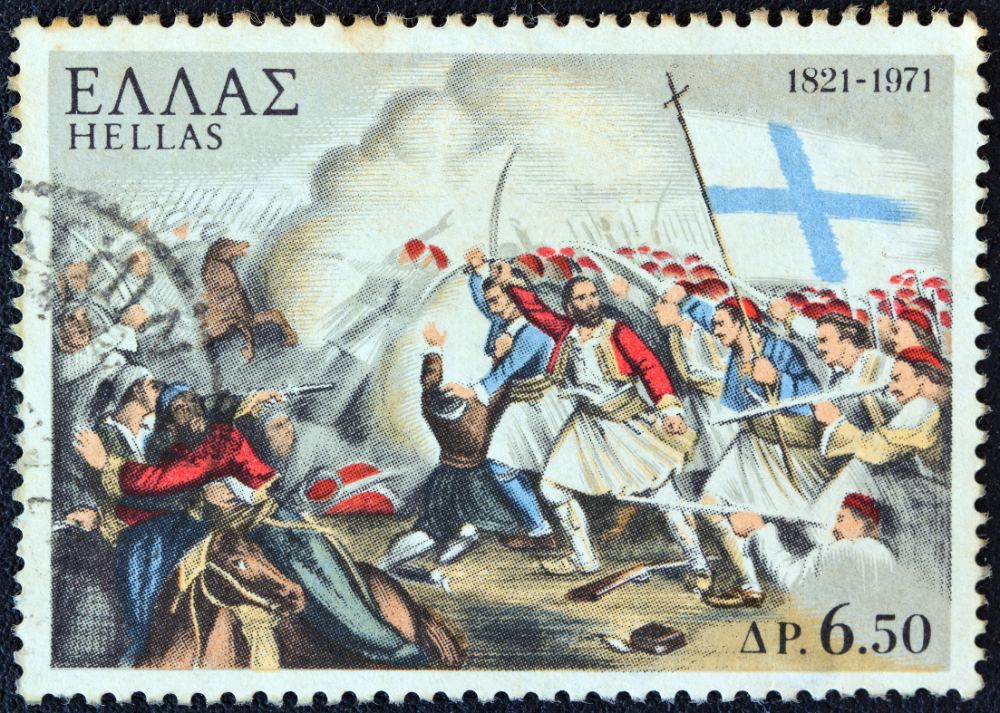
Throughout the 200 years or so (1821–present) Greece has undergone an evolution, towards establishing itself as a modern nation state. During this period both within Greece and among the diaspora, Greeks confronted various challenges, including conflicts over territorial boundaries, political unrest and the task of unifying diverse regions. Between the 1800s and the 1900s Greece expanded its borders, including islands such as Cyprus and territories with significant Greek populations. During this era there was a renewed sense of pride driven by initiatives to preserve culture and the establishment of institutions. Greece encountered the challenges posed by two World Wars and a harsh civil war that significantly shaped its political landscape. After World War II the nation set out on a journey towards modernization and economic development leading to its membership in the European Union in 1981. Today Greece is a nation, with a deep-rooted history and vibrant culture. It strives to uphold its traditions while grappling with contemporary challenges, including economic reforms and migration issues.

Share

Subscribe to gr2me for free!

Subscribe now and you will receive a coupon for two free movie rentals when we launch our Pay-Per-View service.

Become a subscriber and receive our free newsletter!

* indicates required
Insterests