
The Apex of Democratic Ideals and Civic Life
The mid-5th century BC witnessed the flourishing of Athenian democracy under the leadership of Pericles, an influential statesman who guided Athens during its “Golden Age.” His tenure, particularly from 461 to 429 BC, saw significant advancements in political participation, cultural expression, and imperial power.
Pericles championed radical democratic reforms, expanding the principle of citizenship participation. He introduced payment for jury service and holding public office, enabling poorer citizens to engage in governance without financial hardship. The Assembly (Ekklesia), composed of all adult male citizens, held ultimate legislative power, debating and voting on all major state policies. Juries, often numbering hundreds or thousands, rendered justice.
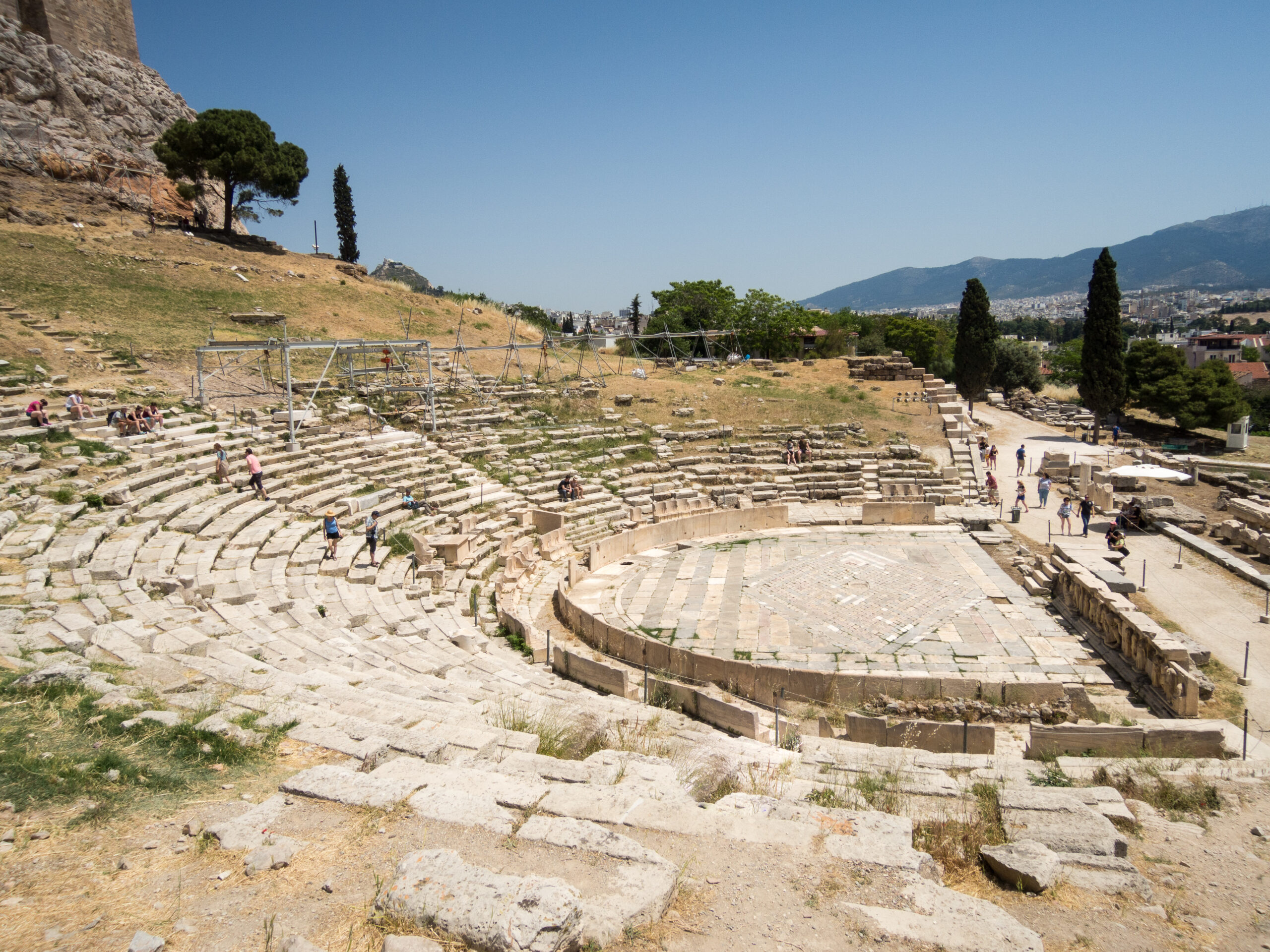
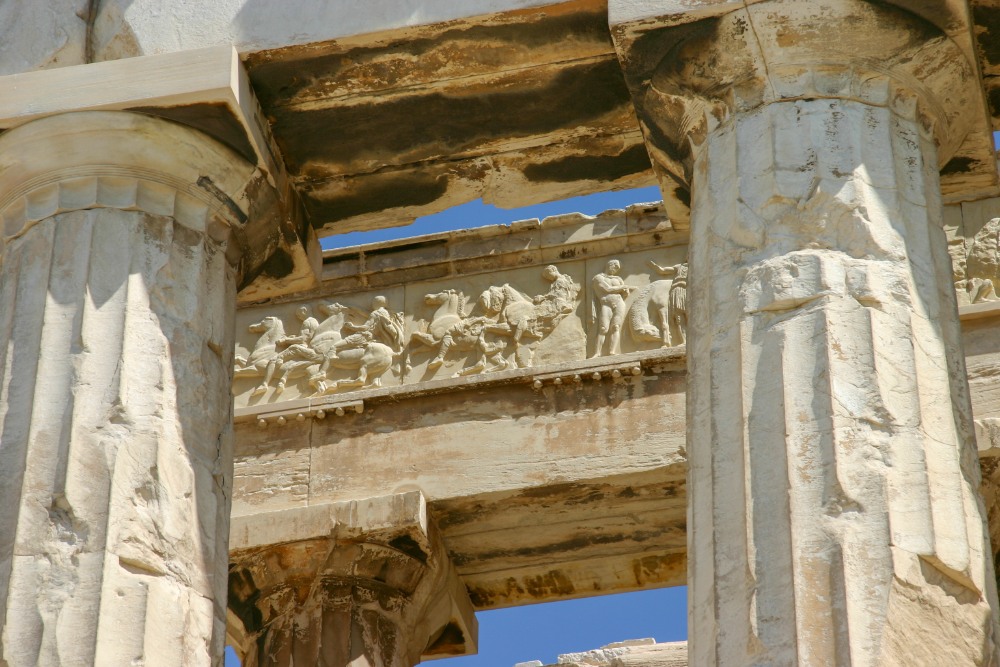
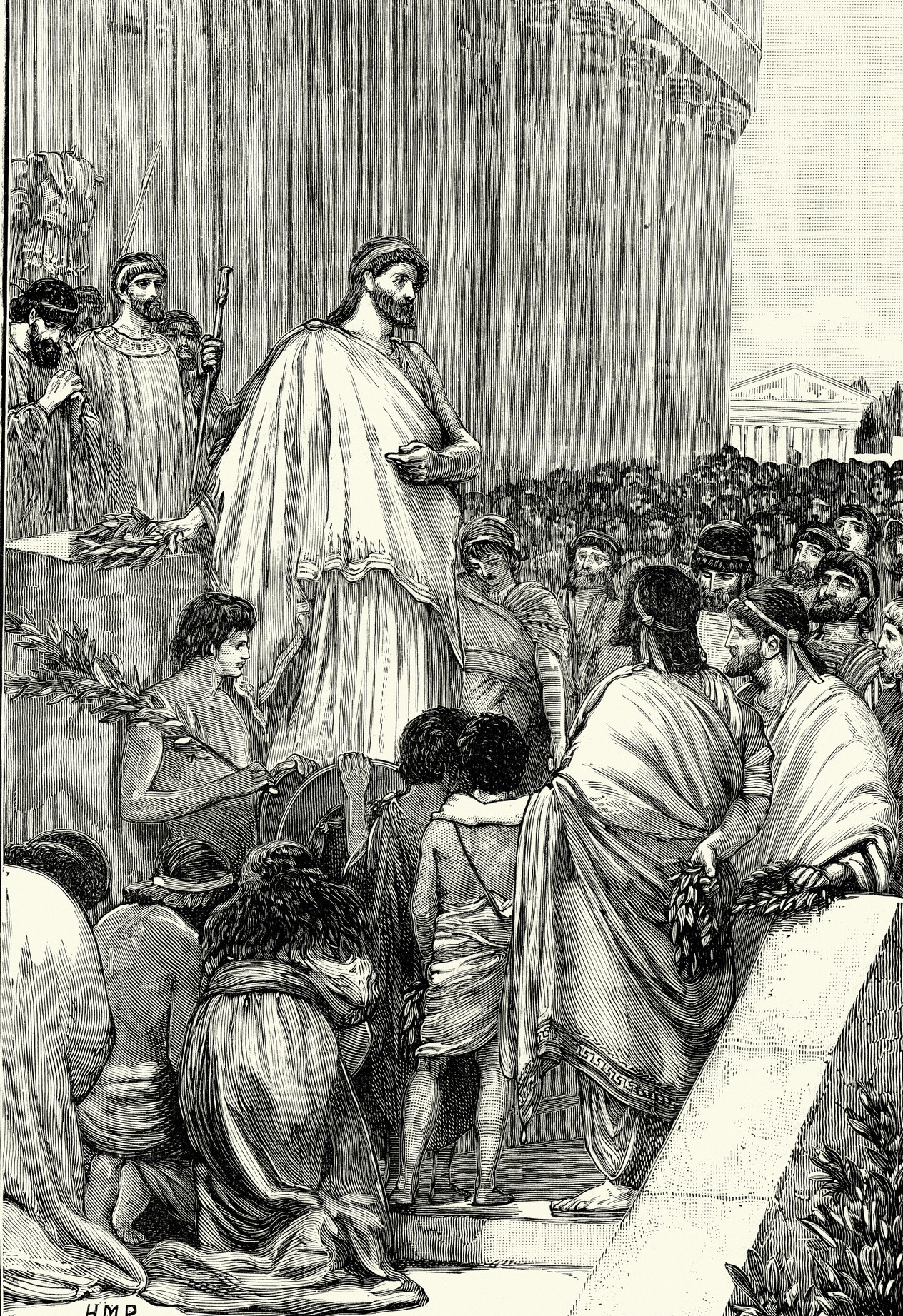
This era also marked a monumental building program, including the construction of the Parthenon, Propylaea, and other temples on the Acropolis, showcasing Athenian wealth and artistic prowess. Pericles himself articulated the ideals of Athenian democracy in his famous Funeral Oration, emphasizing equality before the law, meritocracy, and open-mindedness. While not a democracy in the modern sense (excluding women, slaves, and foreigners), Periclean Athens represented the most advanced form of popular governance in the ancient world, profoundly influencing subsequent political thought.