Food, Faith, and Festivity Across Greece
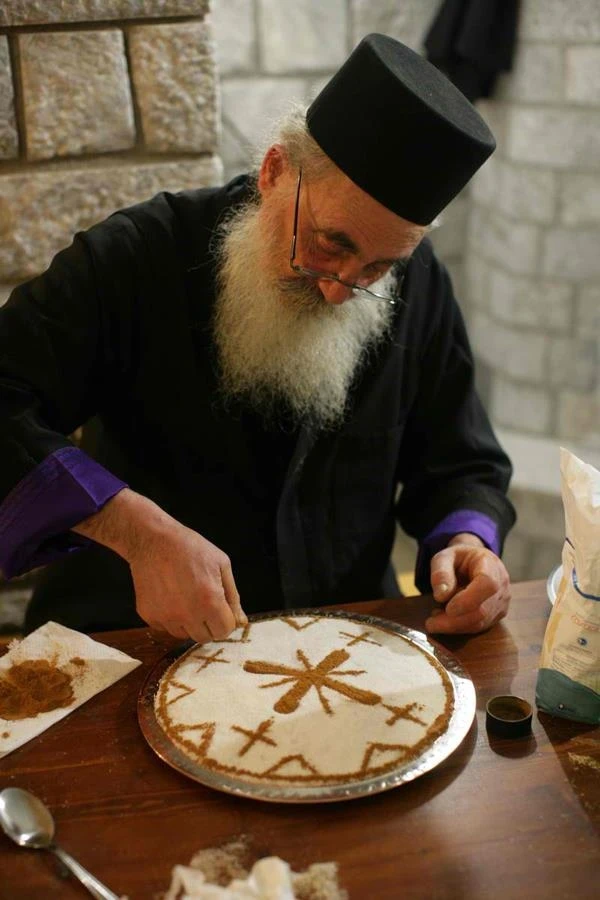
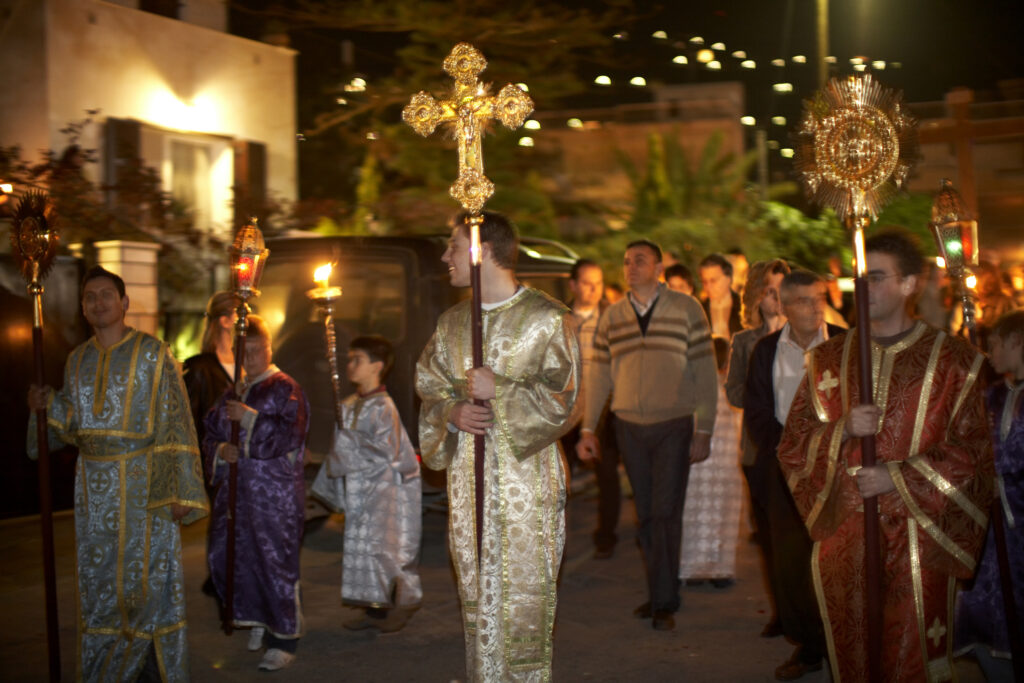
Greek Easter is the most important religious celebration in Greece, a time when communities come alive with processions, services, and a feast that crowns the season of resurrection. The pace builds during Holy Week, when fasting continues but gradually softens: some days allow fish while others call for vegetables and grains, and the week culminates in the dramatic events of Holy Thursday, Holy Friday, and Holy Saturday. Across the country you’ll hear lamentations (threnoi) and see icon processions as believers mark the burial and suffering of Christ, while the nights leading to Easter are filled with anticipation and prayer. On Holy Saturday, the midnight service known as the Anastasi ends with the bright glow of the Holy Light, and, as the first rays of dawn appear, families begin the long-awaited breaking of the fast. Easter Sunday then becomes a grand celebration, often shared outdoors in good weather, with friends and neighbors visiting as the day unfolds.
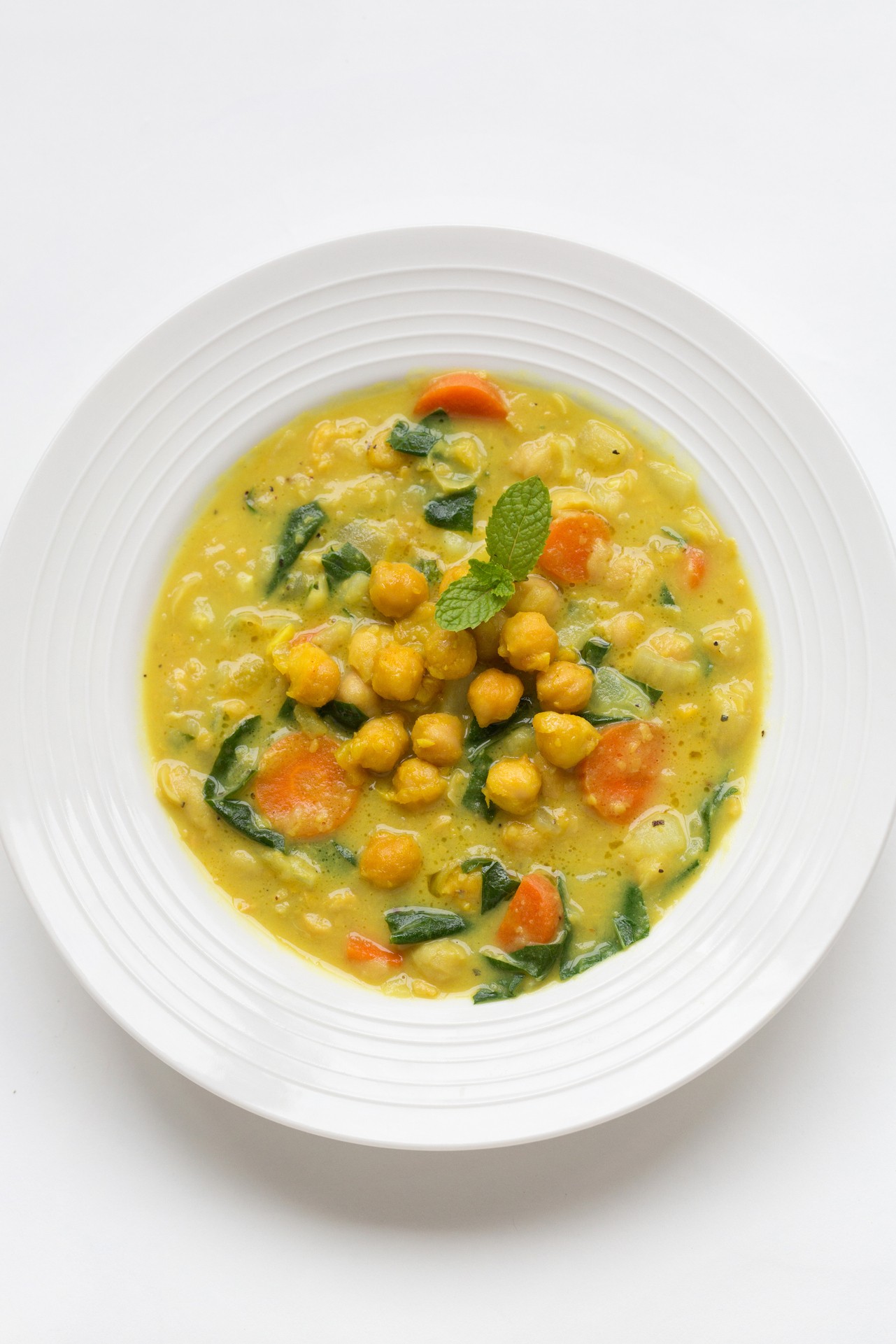
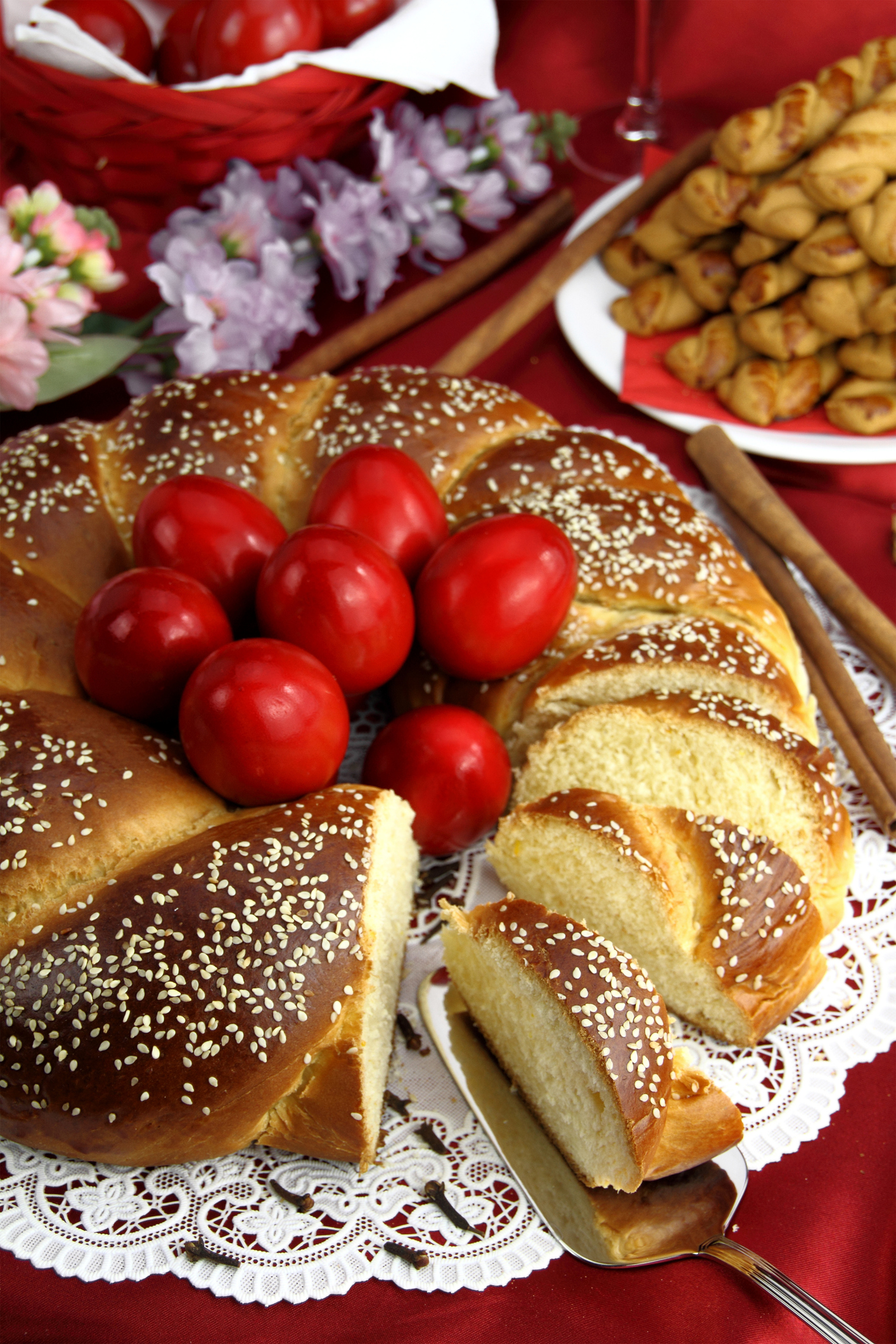
The foods accompanying this season are as meaningful as the rituals. A centerpiece for the Easter breakfast and celebrations is tsoureki, a fragrant braided bread flavored with orange zest and anise, its loaves often hiding red-dyed eggs tucked into the braids. Alongside this festive bread, the red eggs—symbolizing the blood of Christ—are a cherished tradition; families exchange them and engage in the tapping game to see which egg lasts longest without cracking. The return from fasting is marked, in many households, by magiritsa, a traditional Easter Sunday soup made from lamb offal, slowly cooked with onions, herbs, and a light avgolemono sauce. In some regions this soup is enjoyed after the midnight service on Holy Saturday or on Easter Sunday morning, signaling the end of the fast with a comforting, hearty dish.
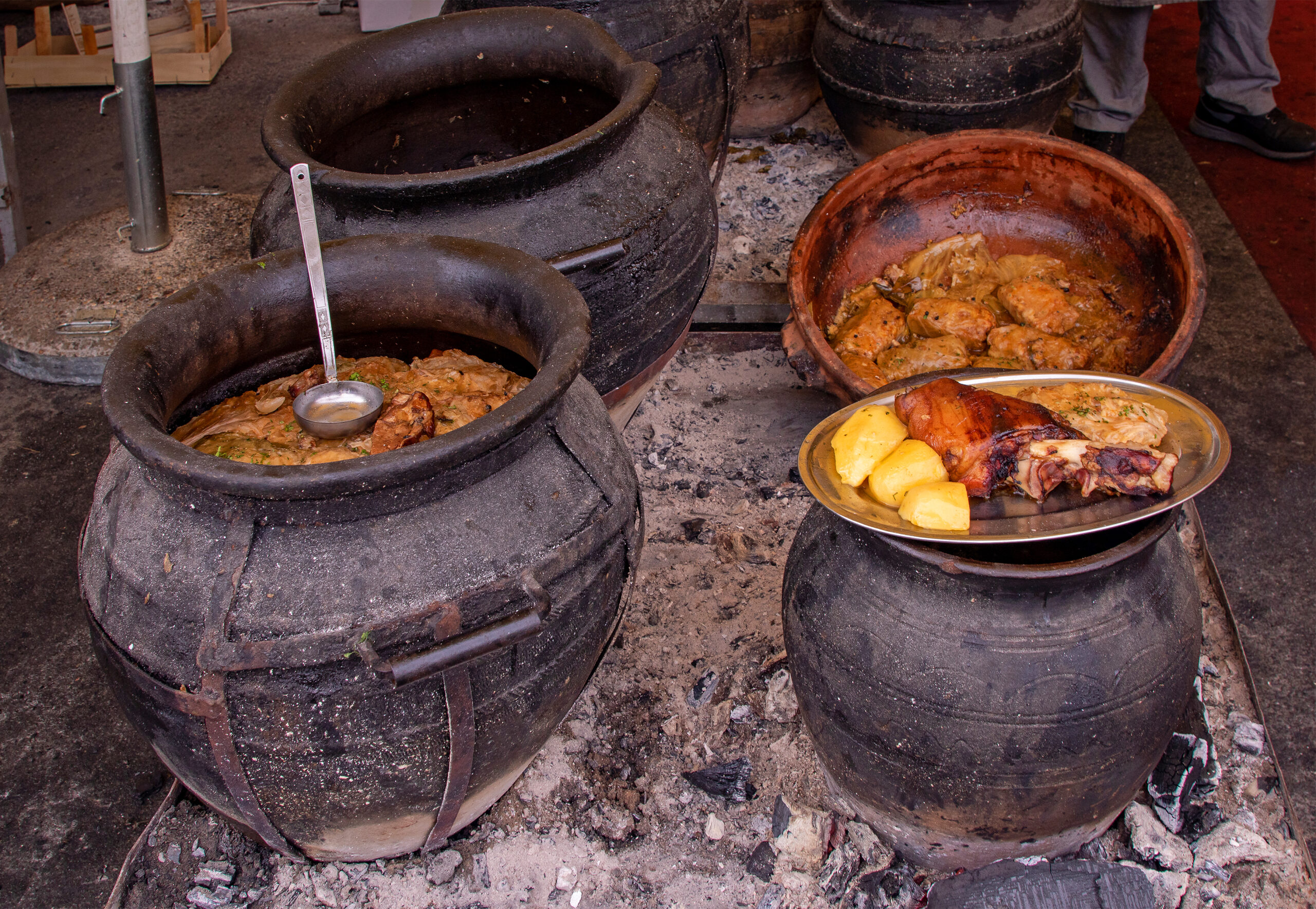
As Easter approaches, fish dishes appear in various preparations during Holy Week, providing lighter options as meat remains limited. But the heart of the feast is often the lamb or goat, roasted to golden perfection, sometimes on a spit, accompanied by greens, potatoes, and village-style salads. For some families, kokoretsi—the roasted offal dish of seasoned liver, heart, and other parts encased in lamb intestines—also makes a traditional appearance on Easter Sunday as part of the celebratory spread. Across regions, avgolemono—an egg-and-lemon sauce—brightens soups and drizzles elegantly over fish and vegetables, tying together the lightness of the pre-fasting meals with the richness of the festive feast.
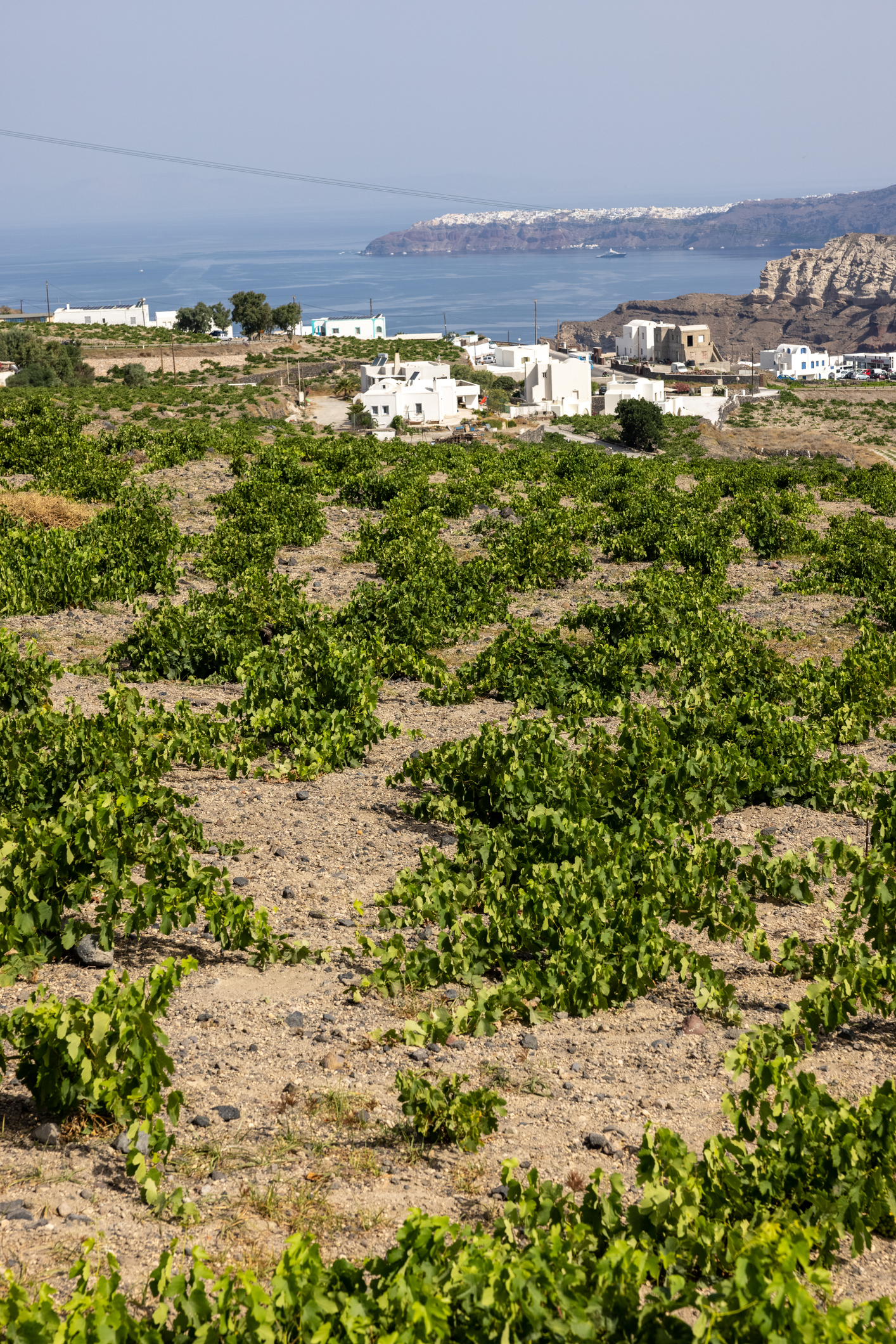
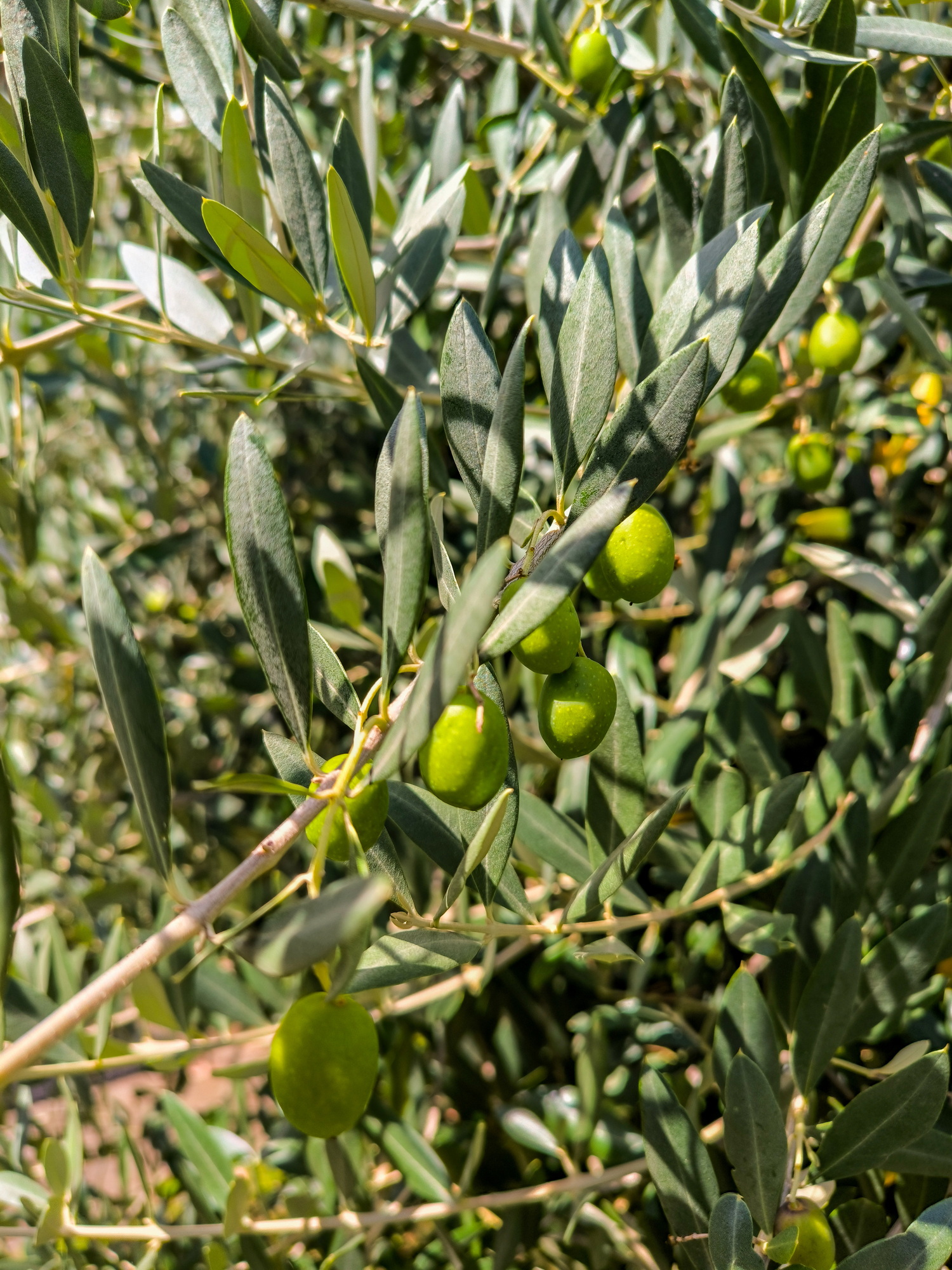
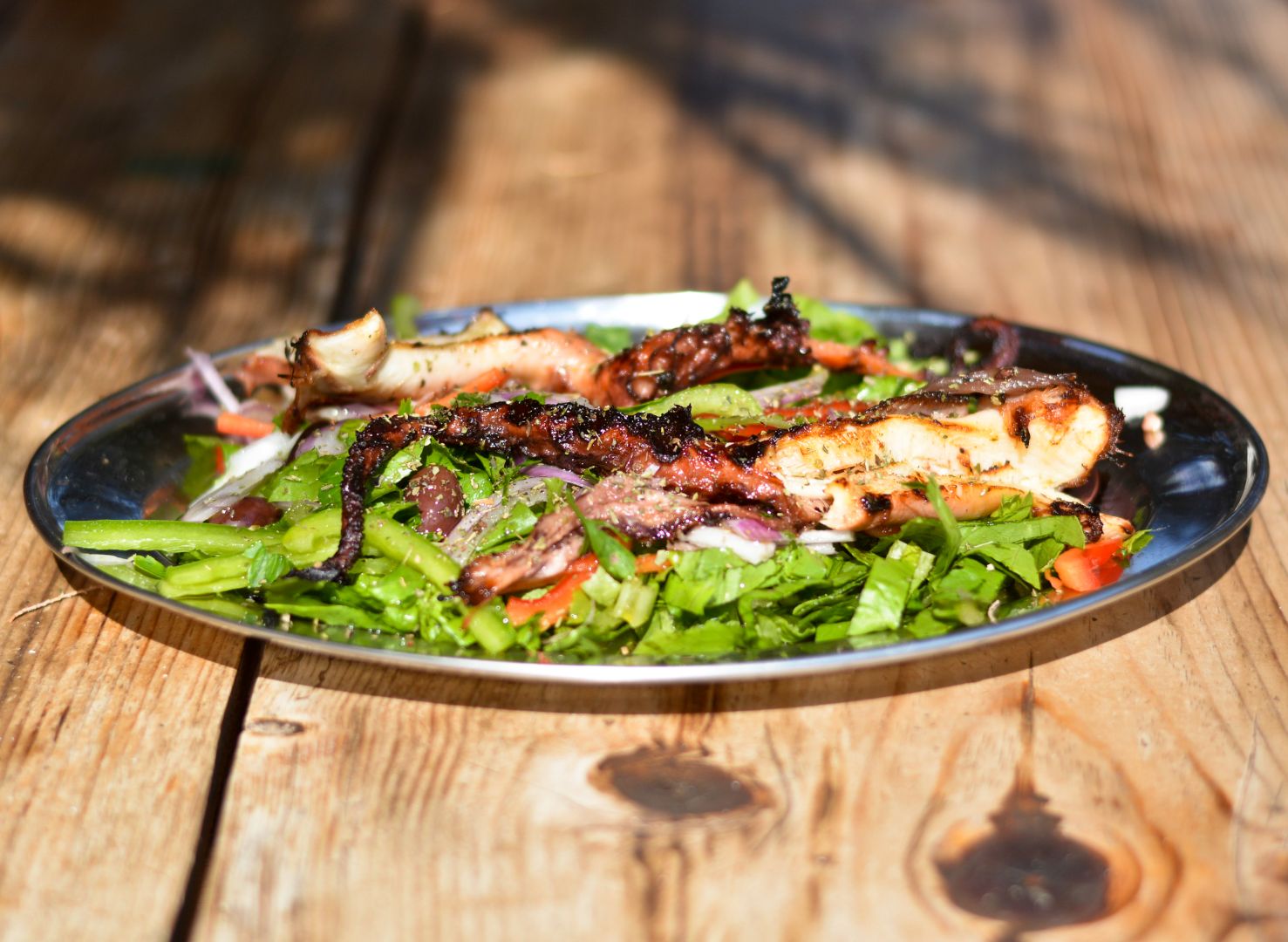
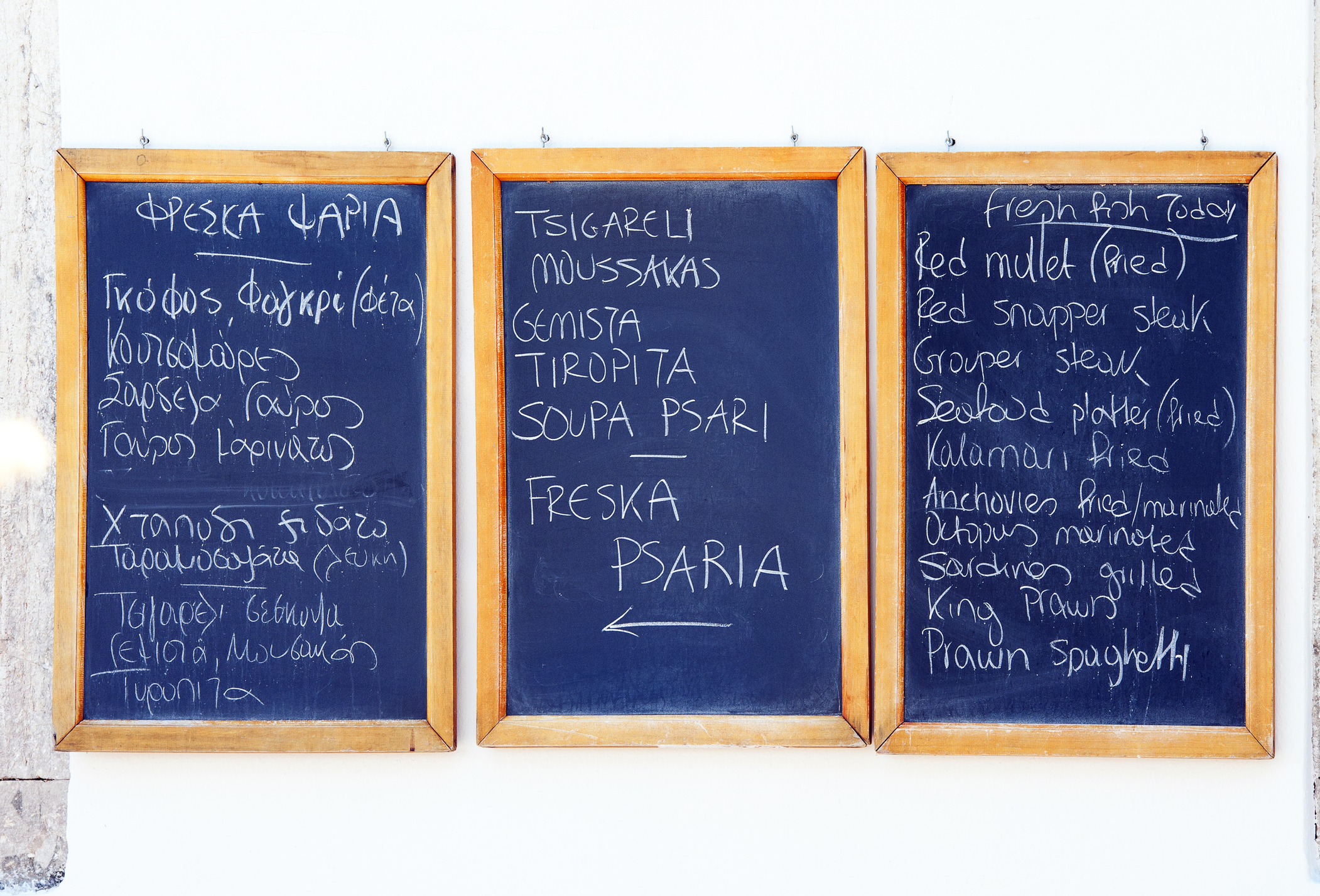
Regional variations color the experience. In Crete, lamb dominates, paired with herb-filled omelets and roasted spring vegetables. Epirus and the mountains bring hearty, rustic meats and robust breads, while Thessaloniki and northern Greece lean into roast lamb and distinctive regional salads, sometimes complemented by pasta-based dishes like hilopites. Island life—whether in the Cyclades, Crete, or Rhodes—often centers on fresh seafood in the pre-Easter or Easter Eve meals, with olive oil, lemon, and herbs imparting bright, simple flavors.
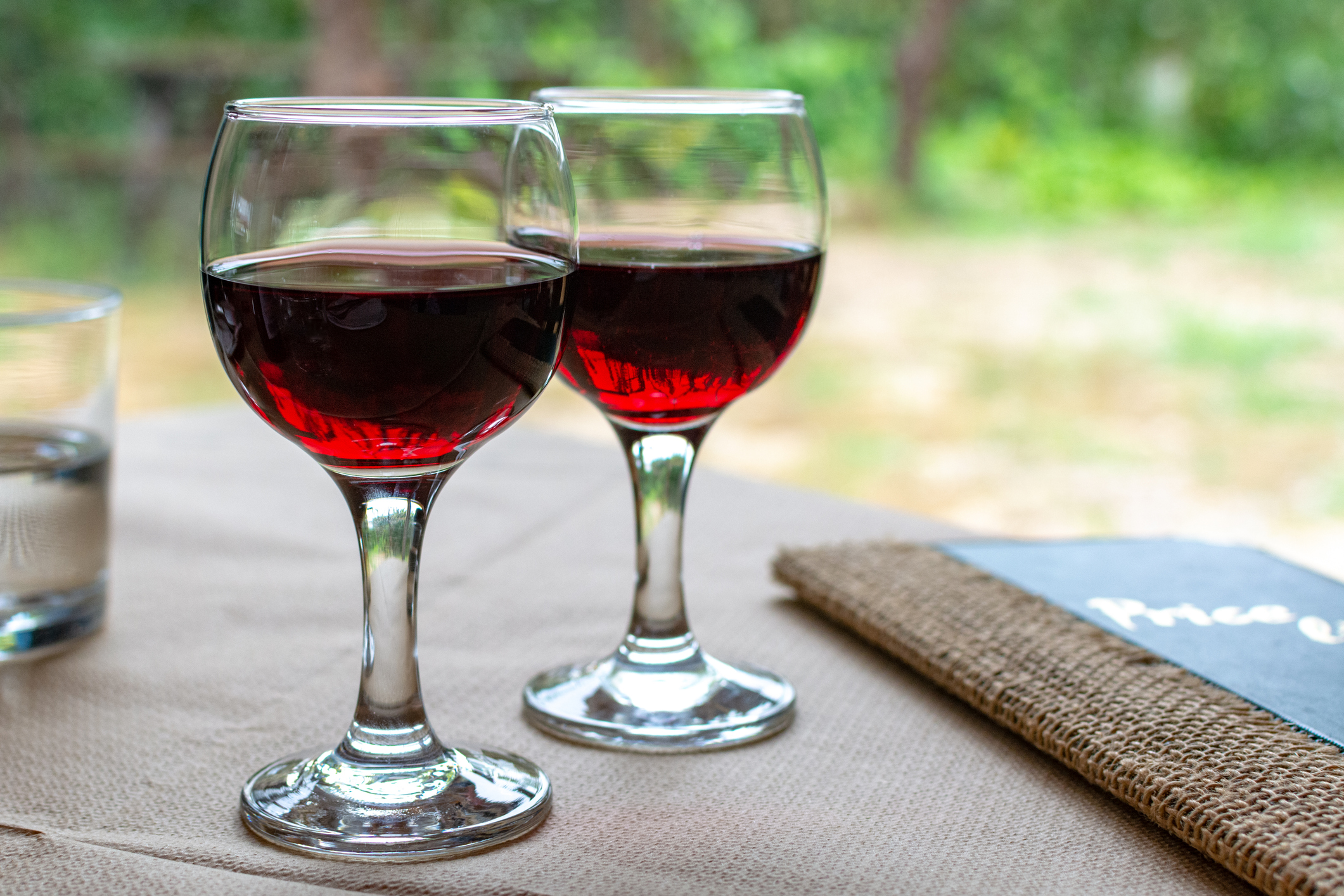
Festive foods and sweets complete the tableau. Red eggs are not merely edible; the tradition of tapping remains a joyful, social ritual. After the main feast, households may serve baklava, galaktoboureko, or other regional pastries, and sweets like loukoumades or koulourakia frequently accompany the celebration. Throughout the season, the indulgence sits alongside gratitude for hospitality. Greek households are famously generous: if you’re invited to Easter meals, expect ample portions and shared dishes, with a thoughtful gesture—perhaps bringing dessert or wine—welcomed as a sign of appreciation.