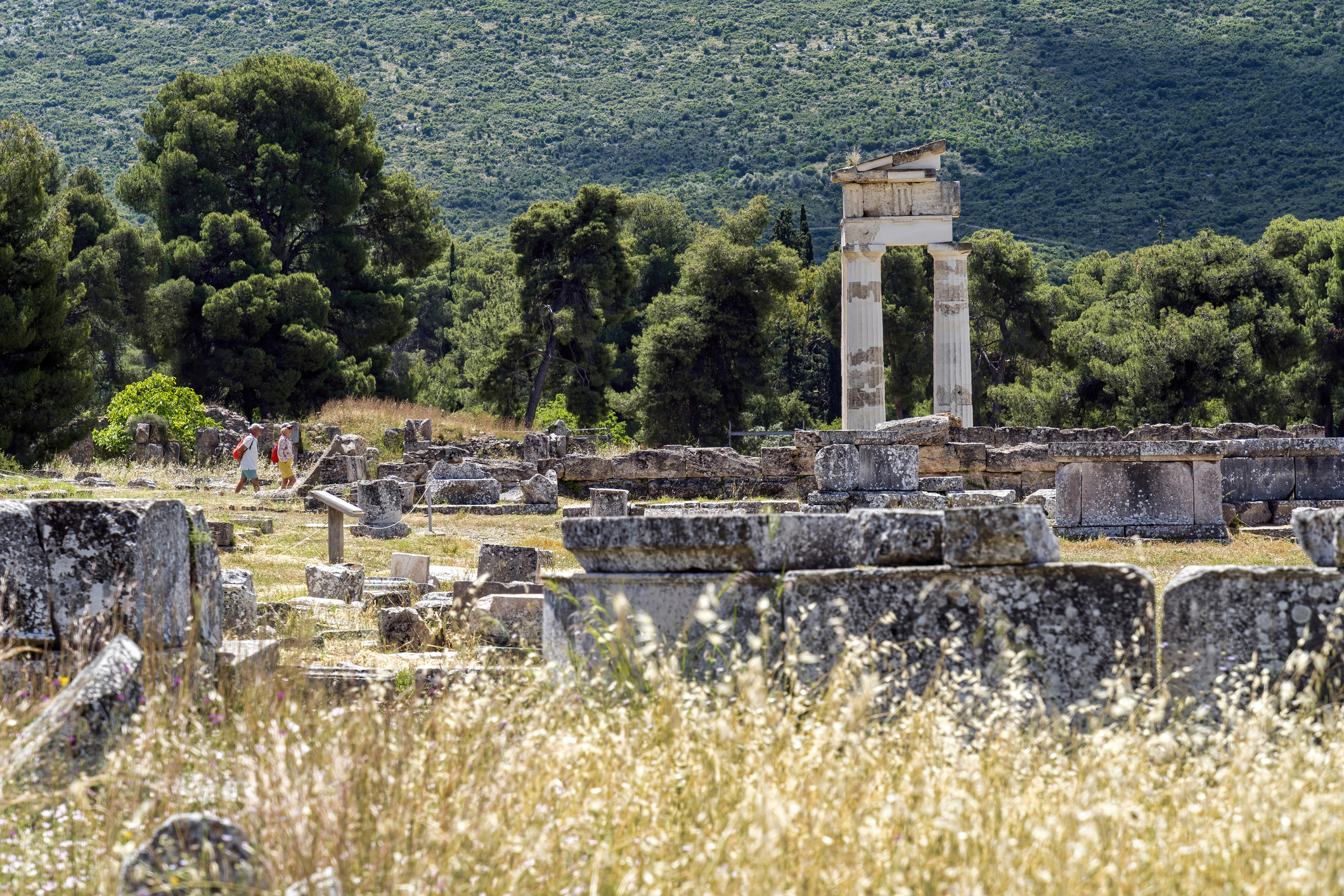
The Ancient Healing Center That Got There First
Long before spa resorts, hospitals, or wellness retreats, there was Epidaurus. Nestled in a pine-covered valley in the northeastern Peloponnese, the Sanctuary of Asclepius was the go-to destination for ancient Greeks in need of healing—body, mind, or spirit.
Starting in the 6th century BCE and reaching its height in the 4th century BCE, this sprawling sanctuary wasn’t just a place of prayer. It was a full-fledged health complex, drawing visitors from across the Mediterranean. People came not only with offerings, but with wounds, chronic pain, infertility, insomnia—even broken hearts.
And believe it or not, many of them claimed to leave cured.
The god in charge here was Asclepius, the bearded, staff-carrying deity of medicine. His symbol? A snake curling around a rod—the same one we still use to represent medicine today.
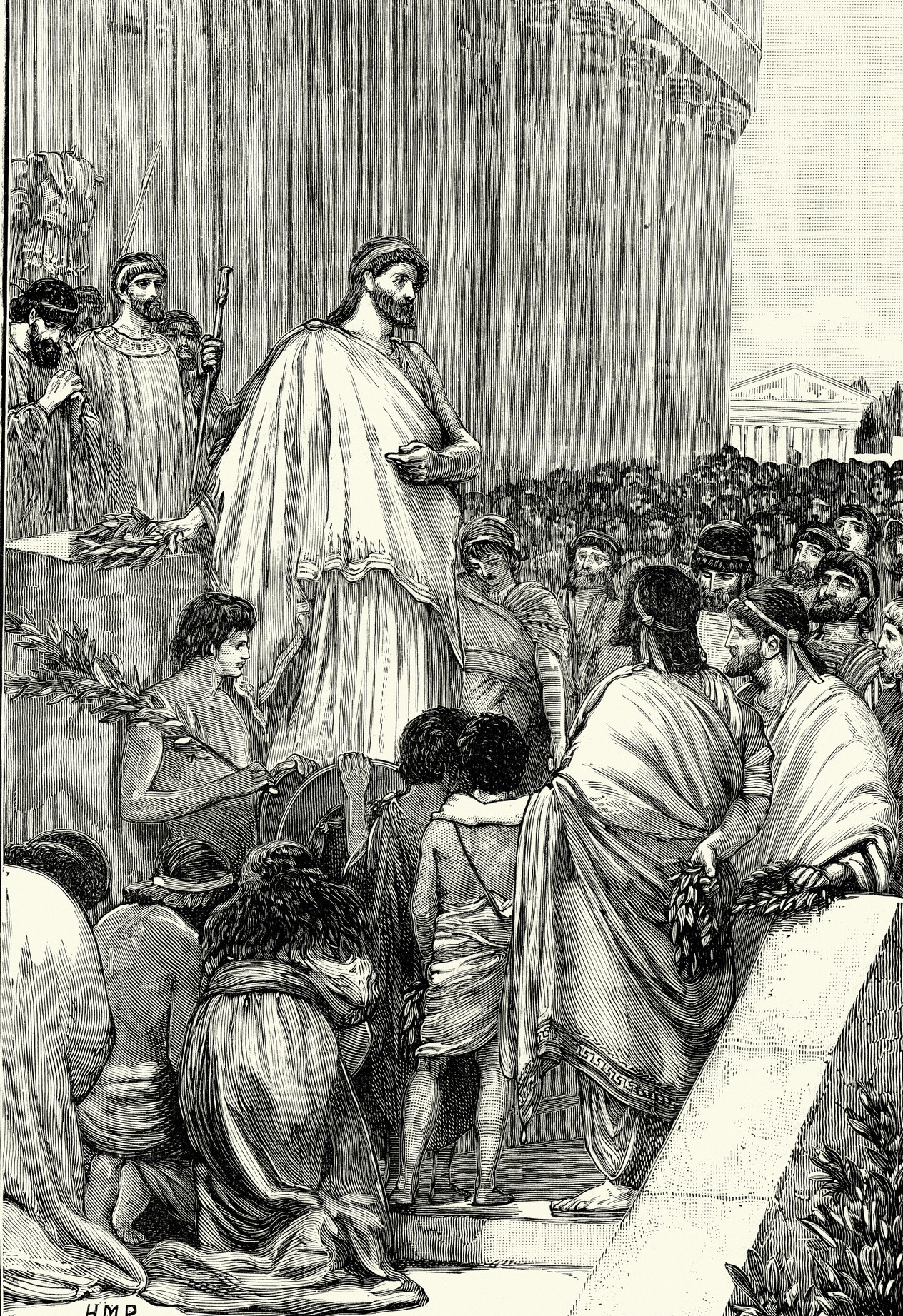
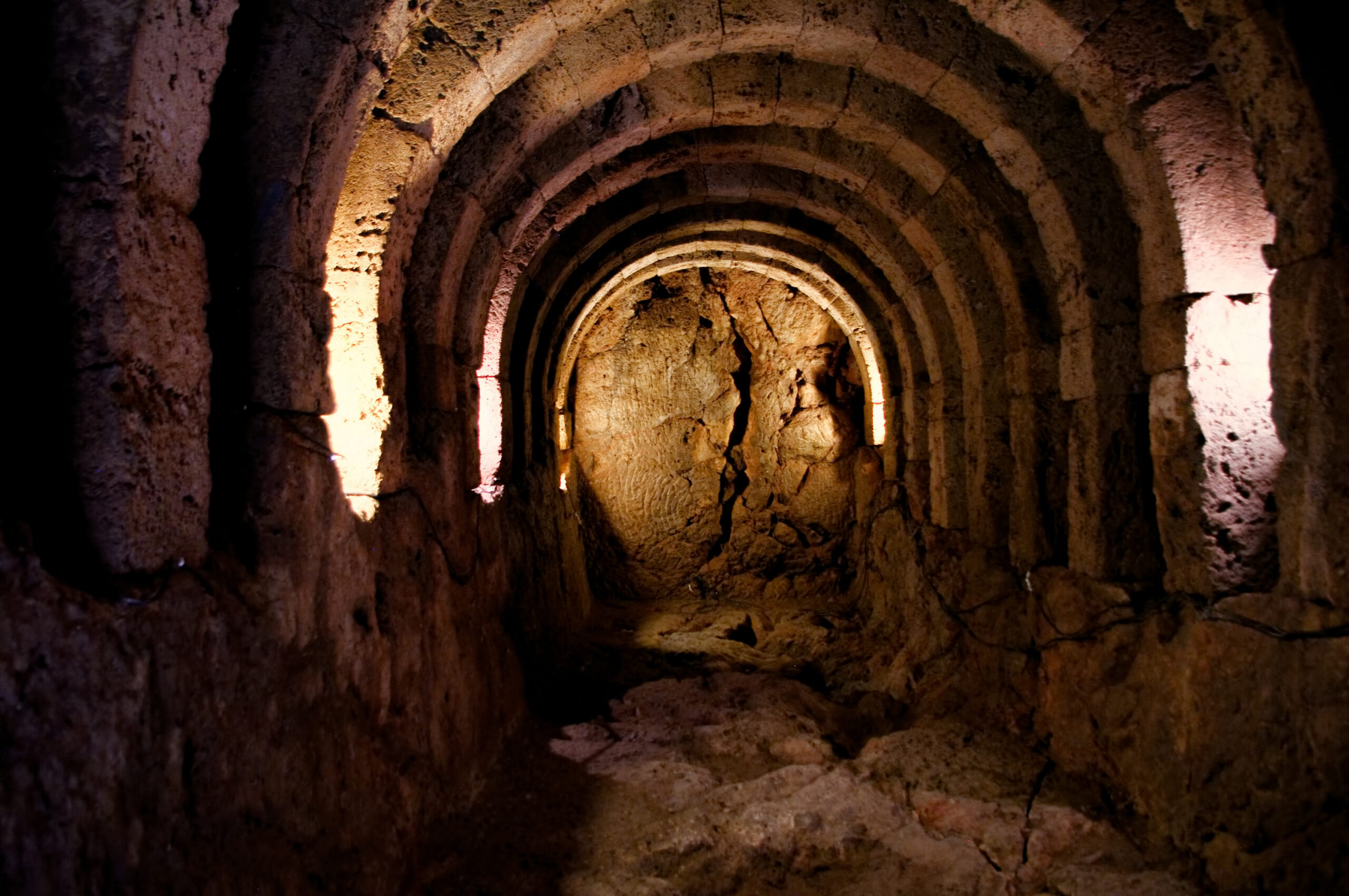
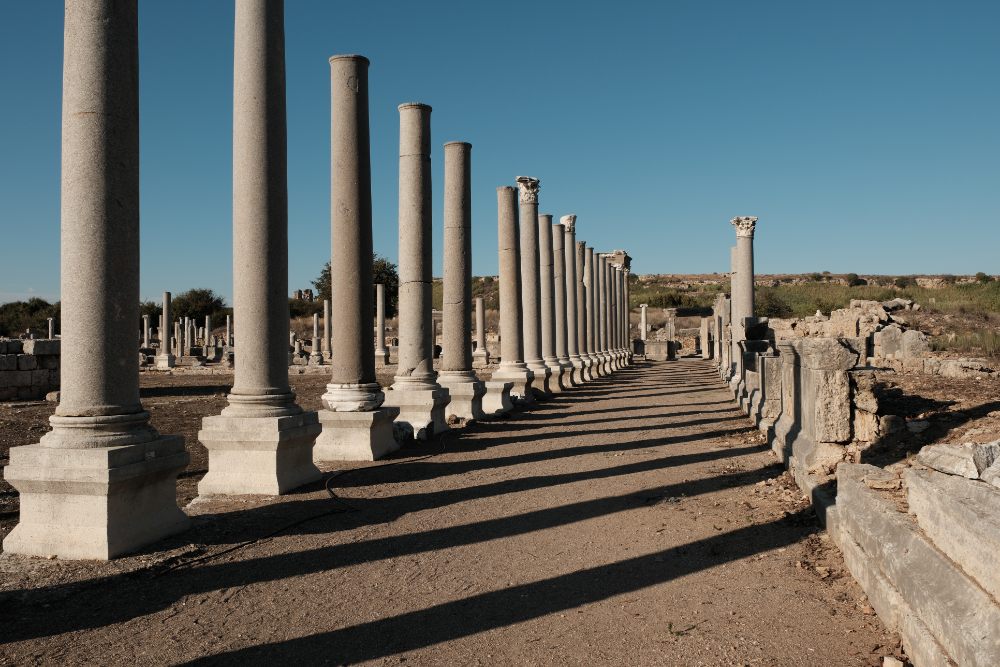
But healing here didn’t happen with a quick blessing. Instead, patients followed a process that feels surprisingly modern. First, they were cleansed and rested. They bathed, fasted, and exercised. Then they entered the Abaton, a quiet, stoa-like building where they would sleep in hopes of receiving a dream from the god himself.
This ritual, called incubation, was the sanctuary’s specialty. People believed Asclepius would appear in their dreams—sometimes in human form, sometimes as a snake—and offer a cure or perform a symbolic surgery. The next morning, temple priests (who functioned as both interpreters and healers) would help the patient understand the dream.
It might sound mystical, but archaeologists have found solid evidence of real medical practice going on here. Surgical tools, anatomical votive offerings, and stone inscriptions tell us that the sanctuary offered practical treatments alongside the divine ones. Many of the famous iamata—healing testimonies carved into stone—describe conditions and cures that seem medically plausible, even by today’s standards.
Need a visual? Picture a man arriving blind. After a few days of ritual and rest, he sleeps in the Abaton. In a dream, Asclepius touches his eyes. He wakes up—sight restored. His story is carved into a limestone slab, still readable today (Inscription IG IV²,1 121).
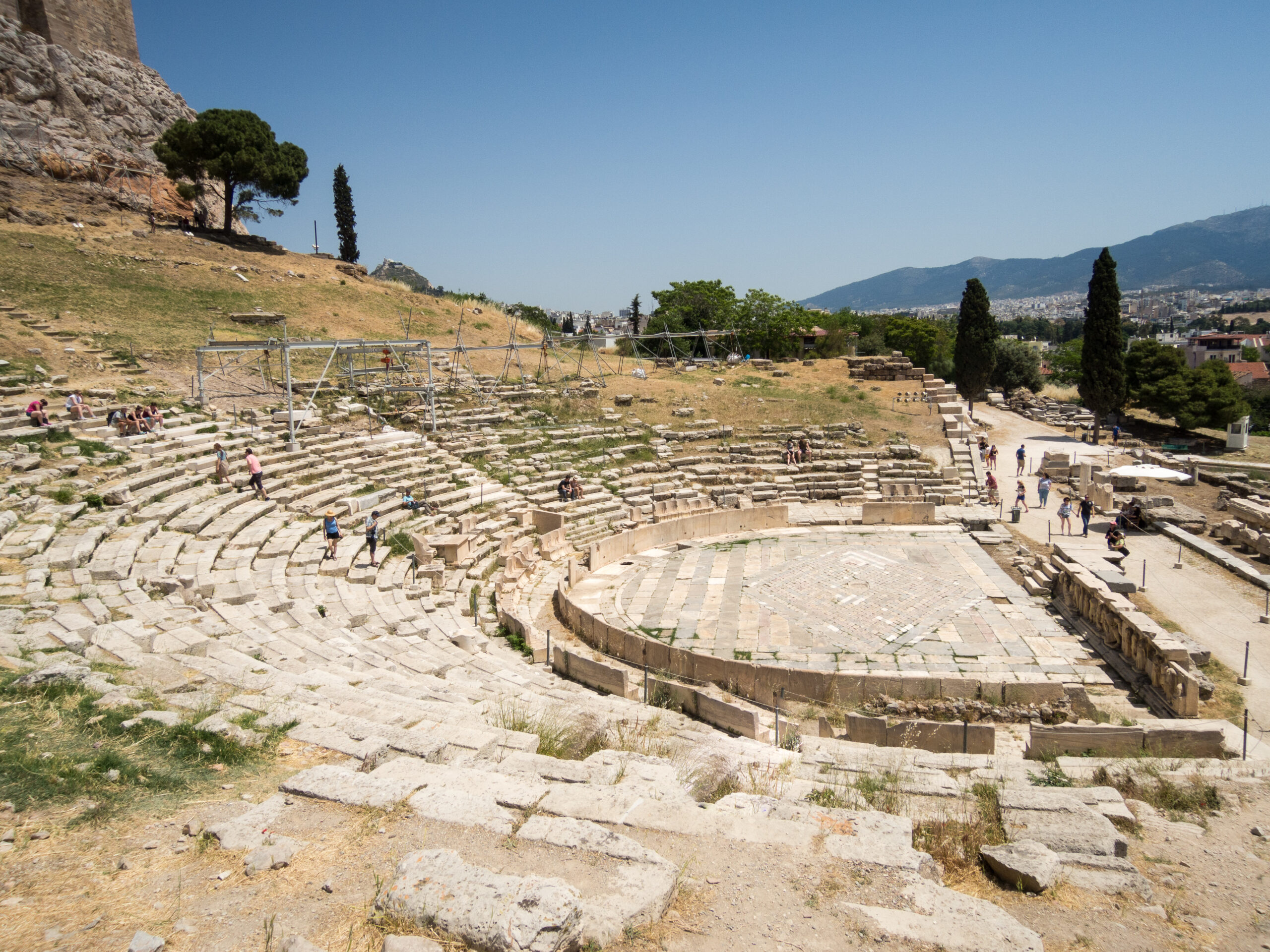
And it wasn’t just medicine. The sanctuary featured a gymnasium, baths, a stadium, and even a theater. Yes, the same stunning theater of Epidaurus that’s still used today for summer performances was originally part of the healing experience. Ancient Greeks believed that watching tragedies and comedies helped people release emotional tension—a kind of therapy through art.
This wasn’t fringe belief, either. The sanctuary at Epidaurus became a model for others, known as Asclepieia, across the ancient world—from the islands of the Aegean to as far as modern-day Turkey and North Africa.
Today, the Sanctuary of Asclepius is a UNESCO World Heritage Site, recognized for its cultural and historical significance. Researchers continue to study its architecture, inscriptions, and artifacts, shedding light on how the ancient world approached health in ways that are remarkably holistic.
In a world racing toward AI diagnostics and gene editing, Epidaurus reminds us that healing has always been about more than tools and tests. It’s about rest, ritual, environment—and perhaps, even dreams.