Greece’s Fortresses and Their Histories
The Greek archipelago is a map of stone deadlines and sea-born purposes. Castles dot the coastlines and hilltops, each placed where land and salt water conspired to demand defense, control, and governance.
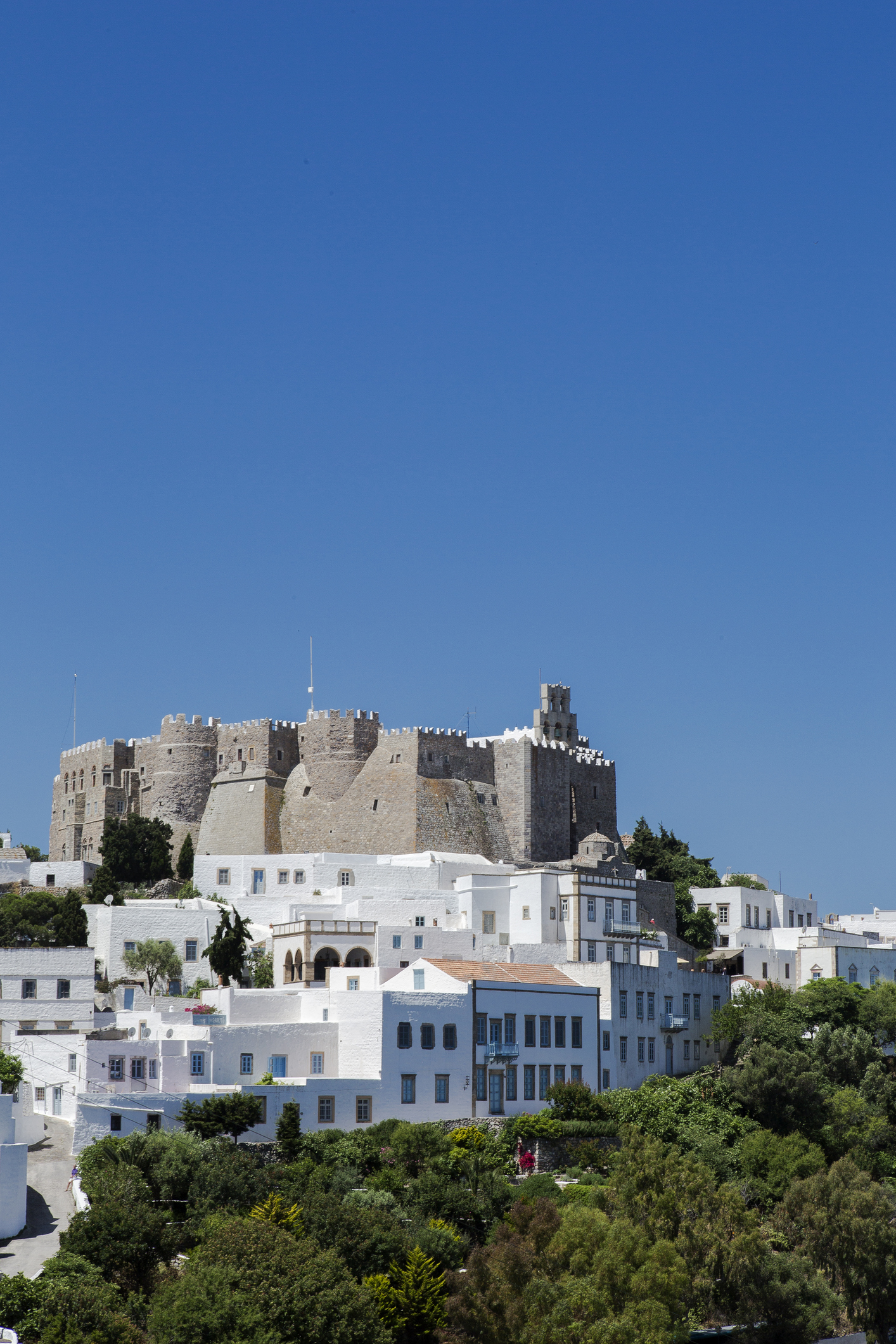
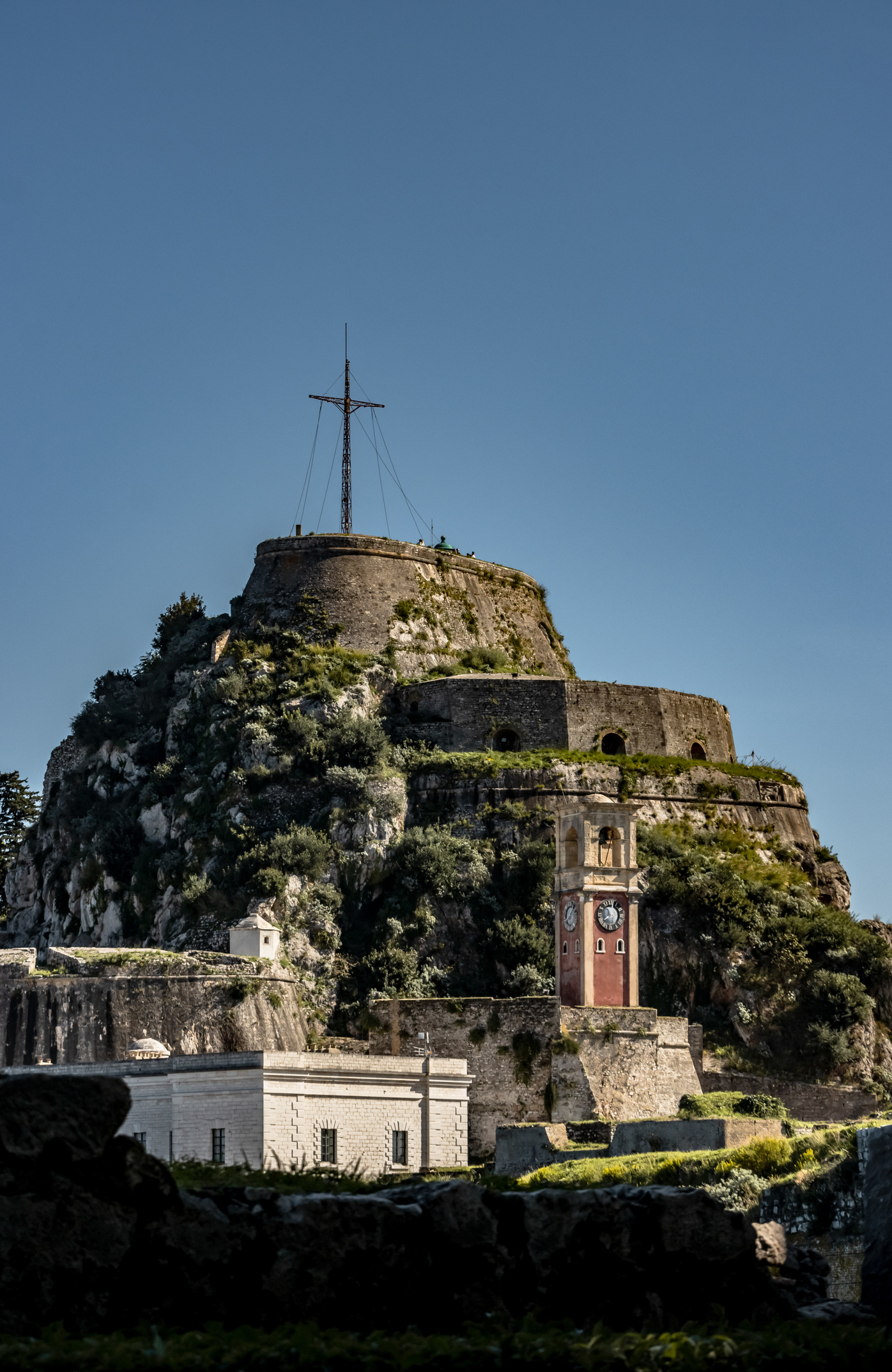
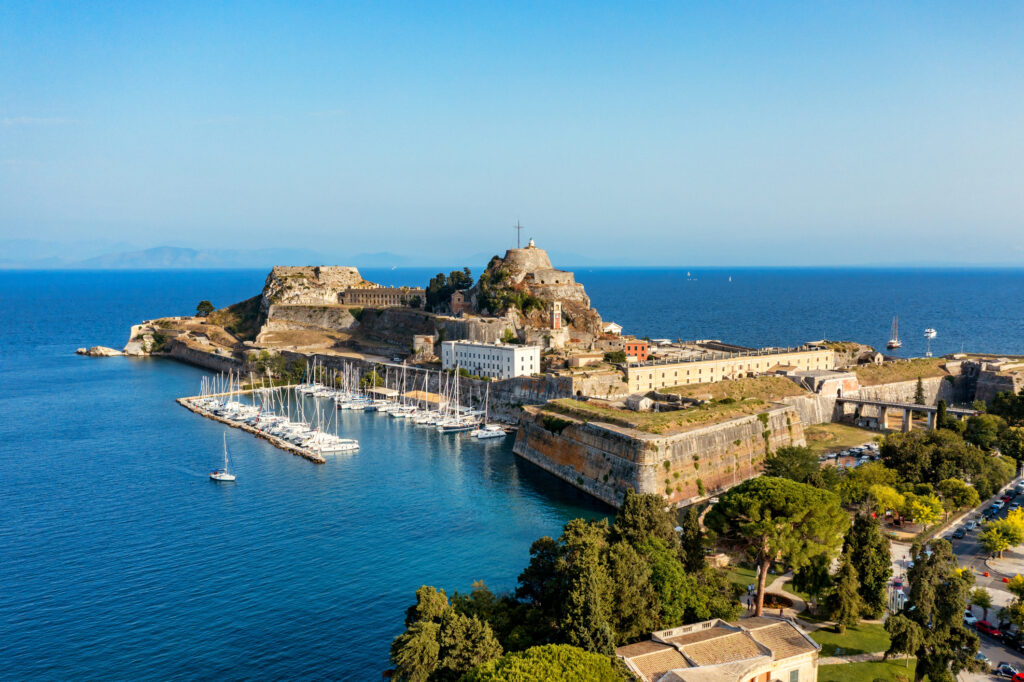
Corfu’s Old Fortress sits at the island’s narrowest point, guarding the channel to Albania. Built in the 15th century by Venetians, it grew under Ottoman pressure into a layered stronghold with thick walls, bastions, and a gate that once admitted ships and treasuries. From the ramparts you can trace where the harbor mouth lies and how artillery perched there could sweep the water. It’s a reminder that Corfu’s history is one of contest and transition.
Across the sea on Naxos, fortifications unfold as a mosaic rather than a single monument. The island’s defenses grew with commerce and agriculture, not just siege. In Hora (Naxos Town) walls curve around streets and stairways, with towers that double as watchpoints for traders moving grain along the Aegean paths. The Porta of Apiranthos marks a boundary between village life and the military sphere, showing how fortifications integrated governance with daily living.
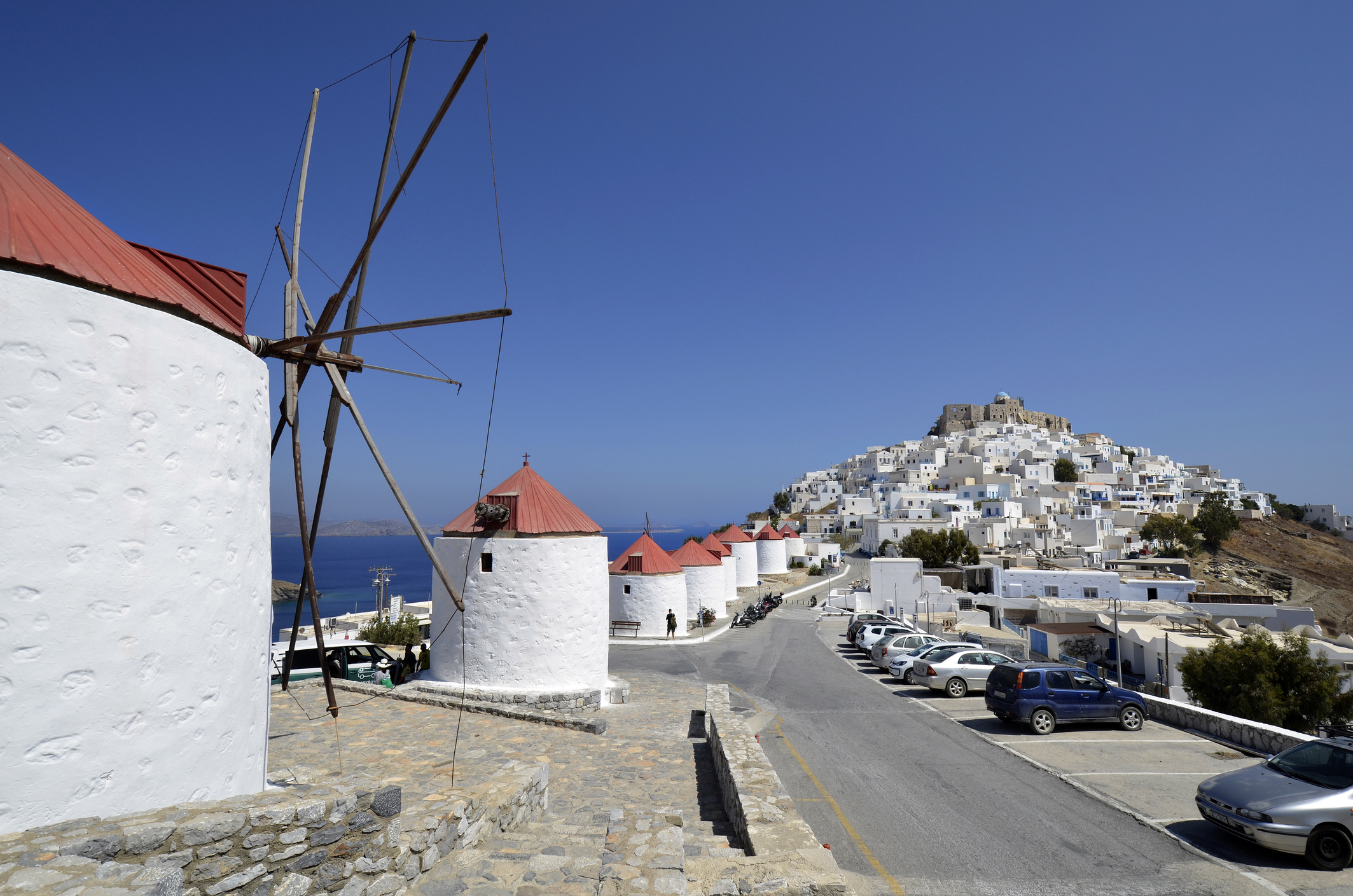
Santorini’s hill towns tell a different story. Pyrgos and other heights crown the caldera rim, not for grandiose conquest but for strategic visibility and resource protection. The basalt walls endure salt spray and sun, emphasizing practicality: defend the harbor routes, secure trade goods, and shelter villagers under a protective shell when storms loom.
Hydra presents a maritime model. Its fortifications guard a busy harbor and project power along sea lanes, reflecting Venetian influence and later Ottoman administration. The walls, watchtowers, and bastions record shifts in naval technology and governance, adapting to new threats while preserving the island’s role as a stopover and fortress.
Together, Greece’s castles reveal a history measured by geography: harbors, hills, calderas, and coastlines shaped how communities defended themselves, controlled trade, and integrated military needs into daily life. Each fortress is a chapter in a long story of resilience and adaptation.