
The Theater of Epidaurus

Cultural Pillar of Ancient Greece Epidaurus holds a pivotal place in the history of ancient theater, renowned for its architectural brilliance and its role in the cultural life of classical Greece. This ancient site is most famous for its magnificent theater, considered one of the best-preserved classical Greek structures and celebrated for its exemplary acoustics […]
Dimini Village

The dawn of Agriculture and Community in Neolithic Greece In the heart of prehistoric Greece, during the Neolithic period (approximately 7000 to 3000 BC), a profound transformation unfolded in the small village of Dimini, located in the fertile plains of Thessaly. The villagers began to transition from a nomadic lifestyle to one centered around agriculture. […]
Innovative Engineering

The Advanced Plumbing Systems of Minoan Civilization The Minoan civilization, flourishing on the island of Crete during the Bronze Age (circa 3000-1100 BC), is renowned for its advanced engineering and groundbreaking approaches to infrastructure, particularly in plumbing and sanitation. The Minoans were pioneers in developing sophisticated systems for water supply and waste disposal, a remarkable […]
The Battle of Navarino

A Decisive Naval Victory in the Greek War of Independence One of the most famous naval battles during the Greek War of Independence is the Battle of Navarino, which took place on October 20, 1827. This battle was significant not only for its immediate military implications but also for its role in garnering international support […]
Transition of Power
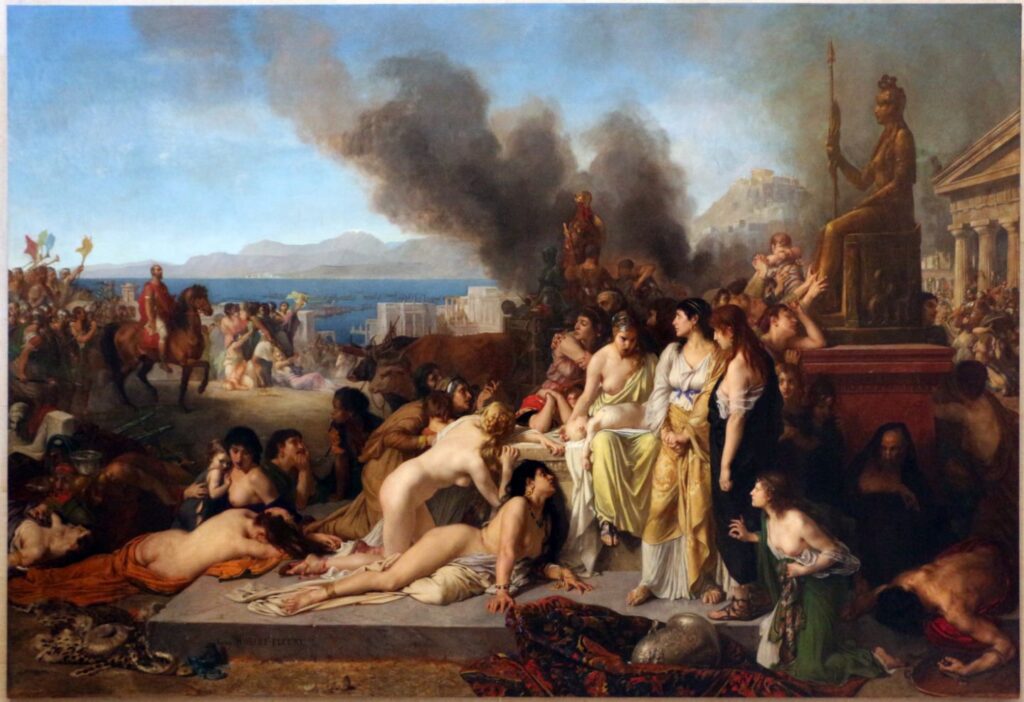
Establishing the Roman Province of Achaea The establishment of the Roman province of Achaea in 146 BC marked a pivotal turning point in Greek history, as the region transitioned from independent city-states to a vital part of the expansive Roman Empire. Leading up to this moment, Greece was fragmented into various city-states and leagues, notably […]
Ohi Day

A Celebration of Courage and National Pride in Greece The “Ohi Day,” is a significant national holiday in Greece celebrated on October 28th each year. The day commemorates a pivotal moment in Greek history during World War II, marking Greece’s refusal to surrender to Axis powers, particularly Italy, in 1940. On this day, the Greek […]
Power and Peril

The Ascendance of Tyranny in Pre-Classical Greece In the tumultuous landscape of preclassical Greece during the Archaic period (circa 800-480 BC), dissatisfaction with aristocratic rule ignited the rise of tyrannies, a significant political transformation marked by ambitious individuals seizing power unconstitutionally, often with popular support. In Corinth, growing discontent among wealthy merchants and disenfranchised citizens […]
The Dodoni Oracle

The Cultural Heart of Ancient Epirus Ancient Dodoni, nestled in the region of Epirus in northwestern Greece, is one of the most significant archaeological sites, renowned for its oracle and its cultural and religious influence in ancient Greece. Dodoni served as a major religious sanctuary dedicated to Zeus, the king of the Greek gods, and […]
The Nika Riots
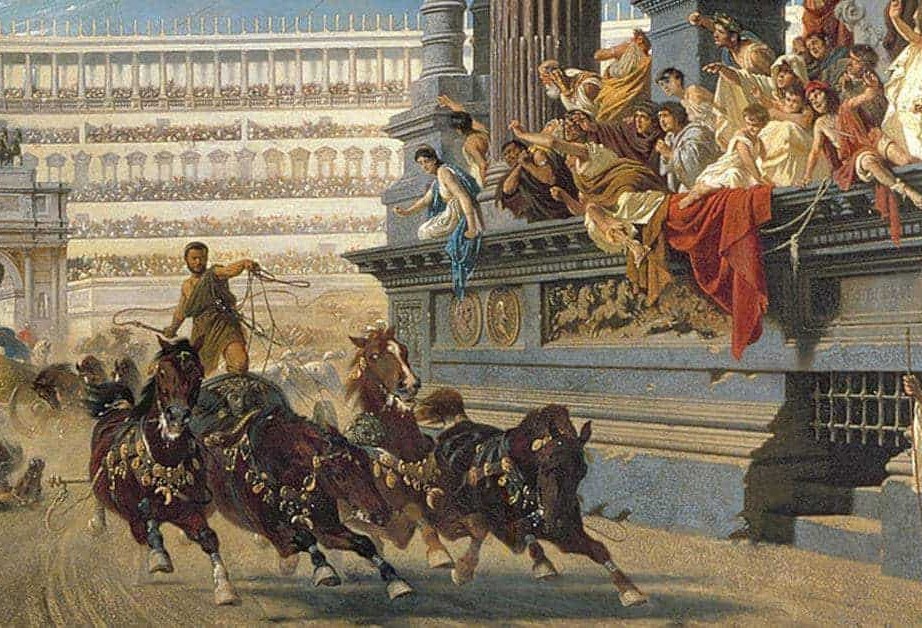
Uprising and Transformation in Byzantine Constantinople The Nika Riots were a pivotal and tumultuous event in Byzantine history, taking place in January 532 AD during the reign of Emperor Justinian I. The riots were sparked by tensions between two major chariot racing factions, the Blues and the Greens, who often drew fervent support from the […]
Kid’s games in ancient Greece

Knucklebones, “svoures” and rattlers In ancient Greece, young boys played together in the streets, enjoying their favorite game with knucklebones, or astragaloi. These small, bone-like pieces were made from the ankles of sheep or goats. With quick hands, they tossed the knucklebones into the air, trying to catch them before they fell. Each throw brought […]