
Voices of the Divine

The Mysteries of the Delphi Oracle The Oracle of Delphi, one of the most revered sites in ancient Greece, was considered the center of the world by the Greeks and synonymous with prophecy and divine wisdom. Nestled on the slopes of Mount Parnassus, Delphi was dedicated to Apollo, the Greek god of music, arts, and […]
The Parthenon’s Hidden Chamber
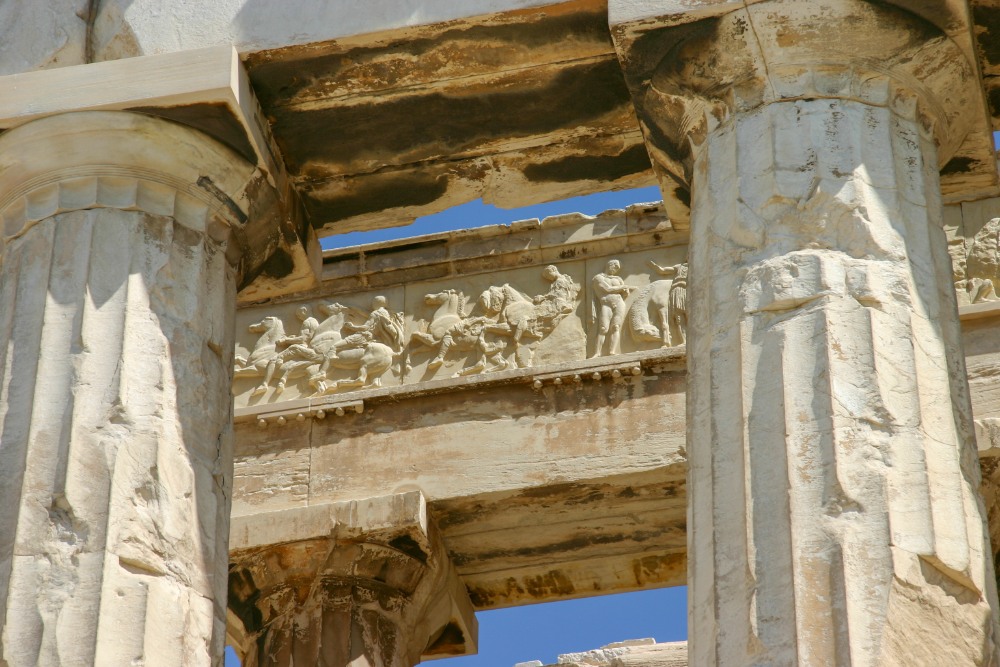
Secrets Beneath the Stones The Parthenon, the iconic ancient temple dedicated to the goddess Athena, is steeped in mystery, though it does not have a widely recognized “secret chamber” in the conventional sense. Within its majestic structure lies the cellar, an interior space that housed the colossal statue of Athena Parthenos, created by the renowned […]
Guardians of Olympia

The secrets of the Olympian Archive The Olympian Archive, known in ancient Greece as the “Olympieion,” was an important center for the documentation and dissemination of information related to the Olympic Games, held in Olympia. Established to preserve the history, results, and rituals of the ancient Olympics, the archive played a vital role in celebrating […]
The Founding of the Olympic Games

A Celebration of Athletic Excellence The founding of the Olympic Games dates to ancient Greece and is traditionally believed to have occurred in 776 BC in the sanctuary of Olympia. The Games were held in honor of Zeus, the king of the Greek gods, and were a significant part of Greek religious and cultural life. […]
Artistry in Clay

The Cultural Significance of Vase Painting in Preclassical Greece Vase painting in pre classical Greece represents a significant art form that offers insights into the culture, values, and daily life of ancient Greek society. Emerging around the 9th century BC, these ceramic artworks served both practical and decorative purposes, often utilized for storage, rituals, and […]
Dame d’Auxerre
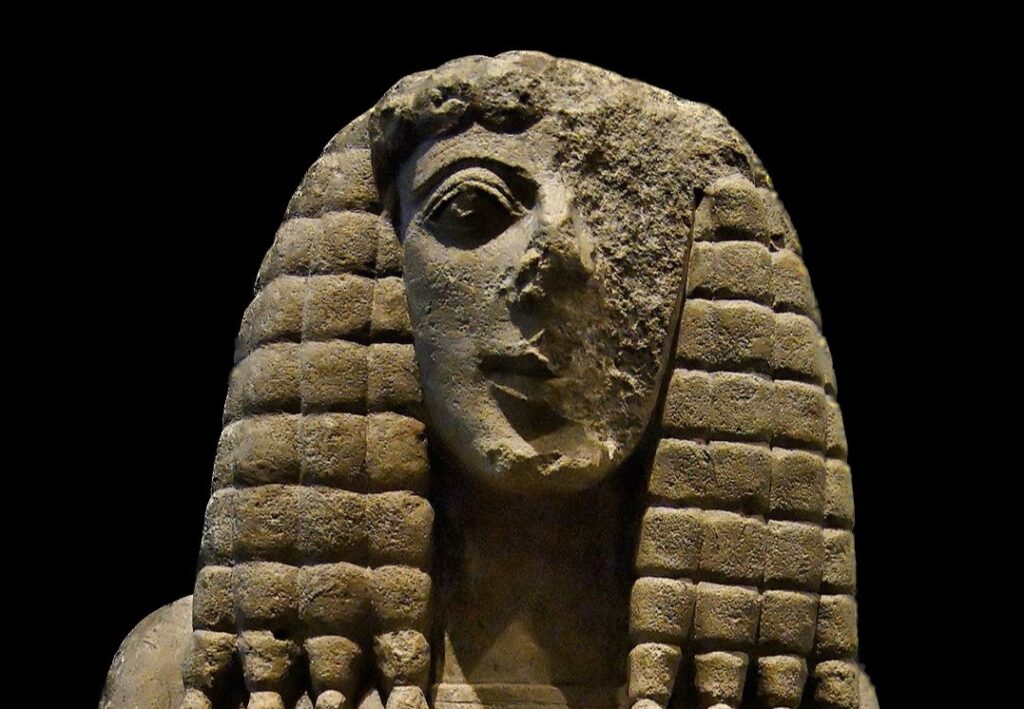
A Pivotal Example of Early Pre-Classical Greek Sculpture Dame d’Auxerre is a renowned example of early pre-Classical Greek sculpture, dating back to around 650-600 BC. Discovered in Auxerre, France, this limestone statue exemplifies the “Daedalic” style, characterized by its formal rigidity and stylized features, reflecting early attempts at naturalism. The figure typically represents a standing […]
From Oral Tradition to Written Word
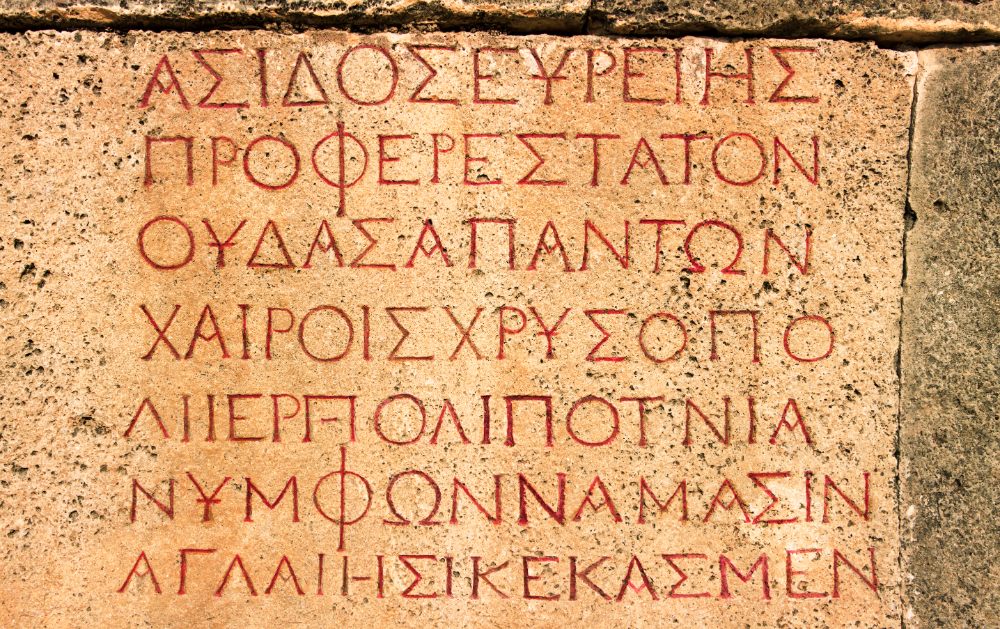
The Transformative Impact of the Greek Alphabet The Greek alphabet, developed in pre classical Greece around the 8th century BC, marked a significant advancement in communication and culture. Prior to its invention, the oral tradition dominated, with stories of gods and heroes passed down through generations. While effective for preserving history, this method presented challenges […]
Kouros and Kore
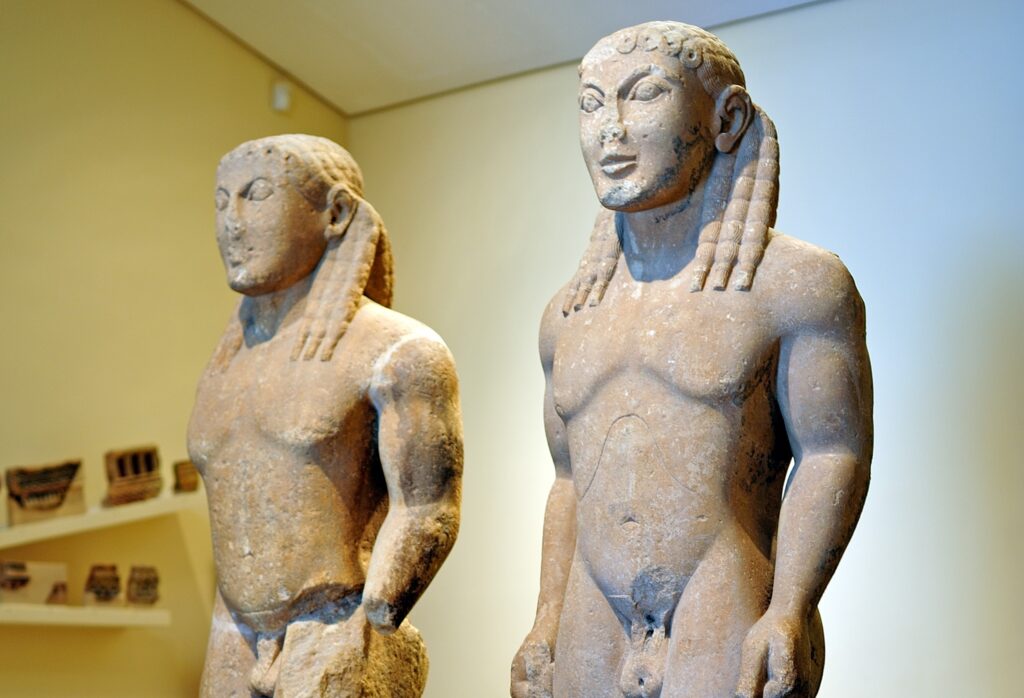
Embodiments of Idealism in Preclassical Greek Art In pre classical Greece, the terms “Kouros” and “Kore” refer to distinctive forms of sculpture that embodied the ideals of youth and beauty in ancient Greek culture. The Kouros, representing young males, depicted athleticism and idealized physical features, exemplifying strength, vigor, and the pursuit of excellence. These statues […]
Odysseus and the Cyclops
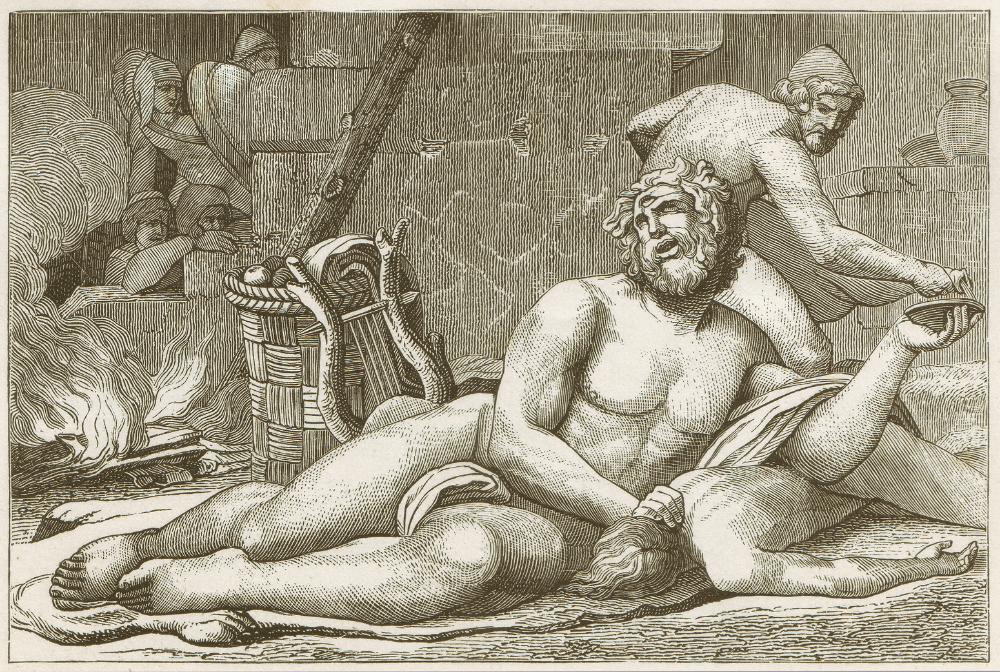
A Battle of Cunning and Courage In the Homeric period, tales often revolved around heroes, gods, and extraordinary adventures, exemplified by the story of Odysseus and the Cyclops Polyphemus in Homer’s “Odyssey.” After the Trojan War, Odysseus and his men embarked on a perilous journey home and landed on an island populated by Cyclopes, fierce […]
The Art of Bronze

Forging Beauty in the Dark Age In the workshops of ancient Greece, artisans skillfully crafted geometric designs in bronze from the 8th to 5th centuries BC. This period saw significant artistic innovation, driven by a revival in trade and culture. Bronze became a sought-after medium, with artisans creating geometric motifs inspired by natural patterns. Simple […]