
The Theater of Dionysus
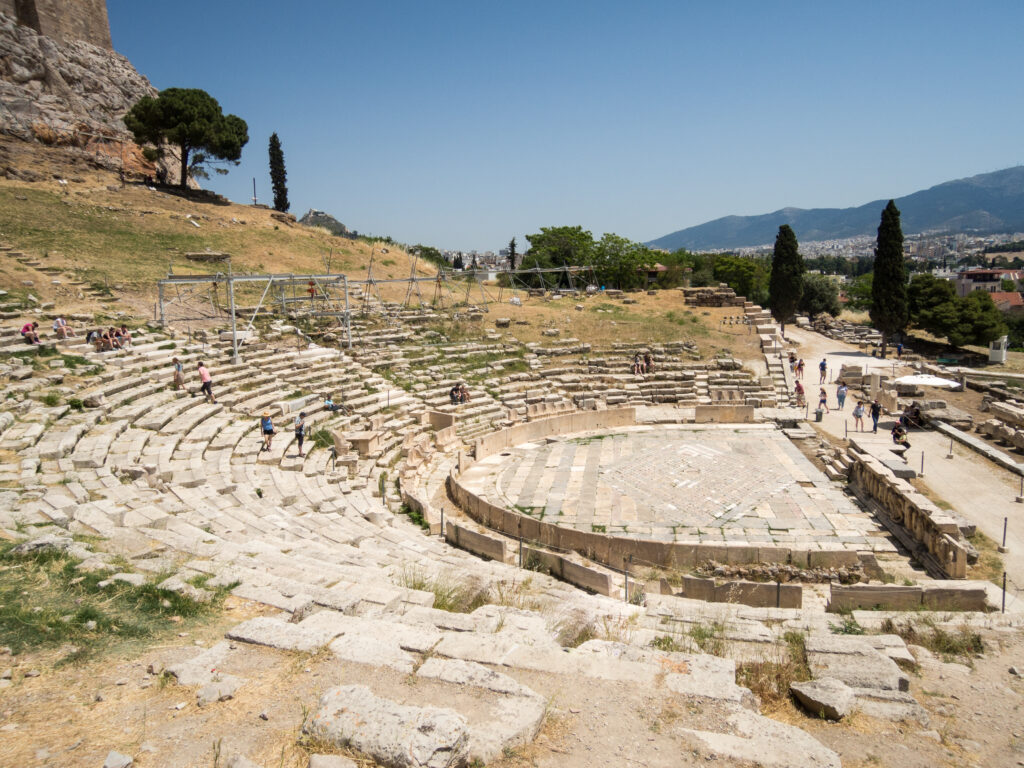
Birthplace of Greek Drama and a Monument to Cultural Legacy Nestled on the southern slope of the Acropolis in Athens, the Theater of Dionysus stands as one of the most important and iconic landmarks of ancient Greek civilization. Revered as the cradle of European theater, this monumental site was more than just a performance space—it […]
Part I: The Rise of the Antigonid Dynasty

Macedonia’s Last Stand in the Hellenistic World After the death of Alexander the Great in 323 BC, his sprawling empire—diverse in language, culture, and geography—collapsed into a patchwork of rival kingdoms ruled by his former generals, known as the Diadochi. Among these successor states, the Antigonid dynasty emerged as the rulers of Macedonia, striving to […]
Unveiling the Palace of Zakros – Part I

Gateway to the EastArchitecture and Economy in a Minoan Coastal Palace Tucked into a secluded bay on the eastern coast of Crete, the Palace of Zakros is one of the four major palatial centers of the Minoan world. Flourishing during the Late Minoan period (c. 1700–1450 BC), Zakros stood as a key administrative and commercial […]
Geometric Greece

Vases, Graves, and the Birth of the Polis (900–700 BC) In the 9th century BC, Greece began to stir from the long silence of the post-Mycenaean collapse. What followed wasn’t a sudden revival, but a slow, deliberate reweaving of society—visible not in palaces, but in cemeteries, clay vases, and the first outlines of a new […]
Ice Age Art

Early Symbolic Expression in the Paleolithic Asphendou Cave of Crete Hidden in the rugged landscape of western Crete, the Asphendou Cave holds a unique piece of human history: some of the oldest known art in Greece. Etched into the cave’s limestone walls are engravings of extinct dwarf deer, known scientifically as Candiacervus. These carvings date […]
Cultural Synthesis

Hellenistic Identity Through the Fusion of Greek and Eastern Traditions The Hellenistic period (323–146 BC) was marked by more than territorial expansion—it was a cultural revolution. As Alexander the Great’s empire fragmented, his successors ruled over a diverse array of peoples from Egypt to Persia. Greek culture, language, and ideas spread across these regions, but […]
Aegina’s Fall

A Tale of Athenian Conquest During the Peloponnesian War, Aegina, a prosperous island in the Saronic Gulf, found itself at the center of Athenian ambitions. Aegina had long been a rival to Athens, particularly in trade and maritime power. In 431 BC, tensions escalated between the Delian League, led by Athens, and the Peloponnesian League, […]
Daedalic Art

The Stylized Bridge Between Geometric Rigidity and Archaic Naturalism Daedalic art marks a fascinating transitional phase in the development of ancient Greek visual culture, bridging the abstract stylization of the Geometric period (c. 900–700 BC) and the more naturalistic tendencies of the Archaic period (c. 600–480 BC). Named after the mythical craftsman Daedalus—credited with creating […]
Resilient Roots
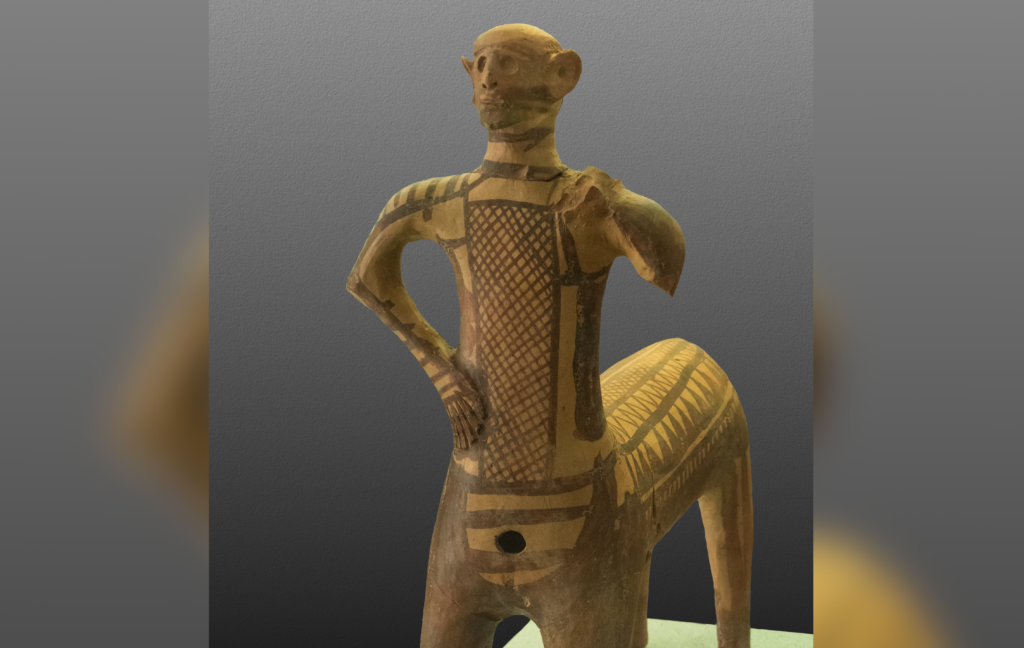
How Farming and Simplicity Sustained a Civilization The Greek Dark Ages (c. 1100–750 BC) were a time of great change—and survival. After the collapse of the Mycenaean palatial system, the economy shifted dramatically. Gone were the vast trade networks and elaborate systems of production. In their place emerged a more localized, self-sufficient way of life, […]
The Evolution of Prehistoric Sesklo

From Circular Huts to Walled Villages Nestled in the fertile plains of Thessaly, the prehistoric settlement of Sesklo offers one of the earliest glimpses into organized human life in Europe. Spanning from roughly 7510 to 4000 BC, Sesklo’s archaeological layers reveal a story of remarkable transformation—from humble beginnings in circular huts to a bustling community […]