
Aegean Life – Part II

Ritual, Rank, and Expression in the Aegean Bronze Age In the Early Bronze Age Aegean, life wasn’t only about survival—it was about meaning. Beyond the fields, workshops, and harbors, people sought to understand their world through worship, social order, and artistic expression. This second chapter explores how these islanders lived not just with the land […]
Plotinus and Neoplatonism

Philosophical Innovation in the Roman World Plotinus (c. 204–270 CE) was one of the most influential philosophers of the Greco-Roman period, known for founding Neoplatonism, a philosophical system that sought to reconcile Greek metaphysics with the spiritual realities of the Roman world. His ideas became a cornerstone of both pagan and early Christian philosophy and […]
The Phanariot Elite

The Rise of Greek Aristocracy in Ottoman Rule The Phanariot elite emerged as a significant force in the 17th and 18th centuries within the Ottoman Empire, particularly in Constantinople’s Phanar district. Known for their political influence and cultural prominence, the Phanariots were a group of Greek aristocrats who rose to power through their close ties […]
Empress Irene of Athens

The First Female Byzantine Emperor Empress Irene (c. 752–803 CE) stands as one of the most intriguing figures in Byzantine history, being the first woman to rule the empire in her own right. Her reign, from 797 to 802 CE, marked a unique chapter in Byzantine politics, especially in an era dominated by male rulers. […]
Karagiozis Origins
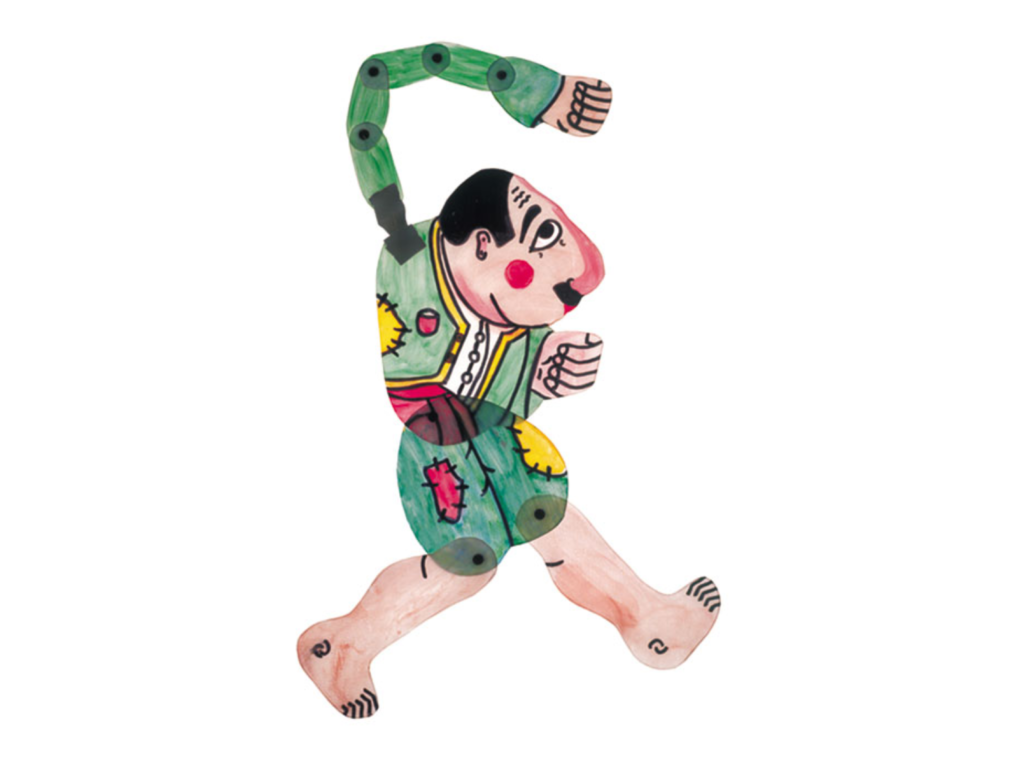
Unmasking the Folk Shadow Hero of Greece Karagiozis, the iconic shadow puppet of Greek folklore, is far more than just a comical figure with a humped back, torn clothes, and endless schemes. He is a symbol of wit, survival, and resistance—especially during times of foreign occupation and social hardship. Though Karagiozis is a fixture in […]
Diadochi Wars

Power, Fragmentation, and the Struggle to Inherit Alexander’s Empire The death of Alexander the Great in 323 BC left behind a vast empire with no clear successor. His generals—known as the Diadochi, or “successors”—quickly turned from loyal commanders to bitter rivals. Over the next four decades, their struggle to control portions of Alexander’s territory led […]
The Spartan Armory
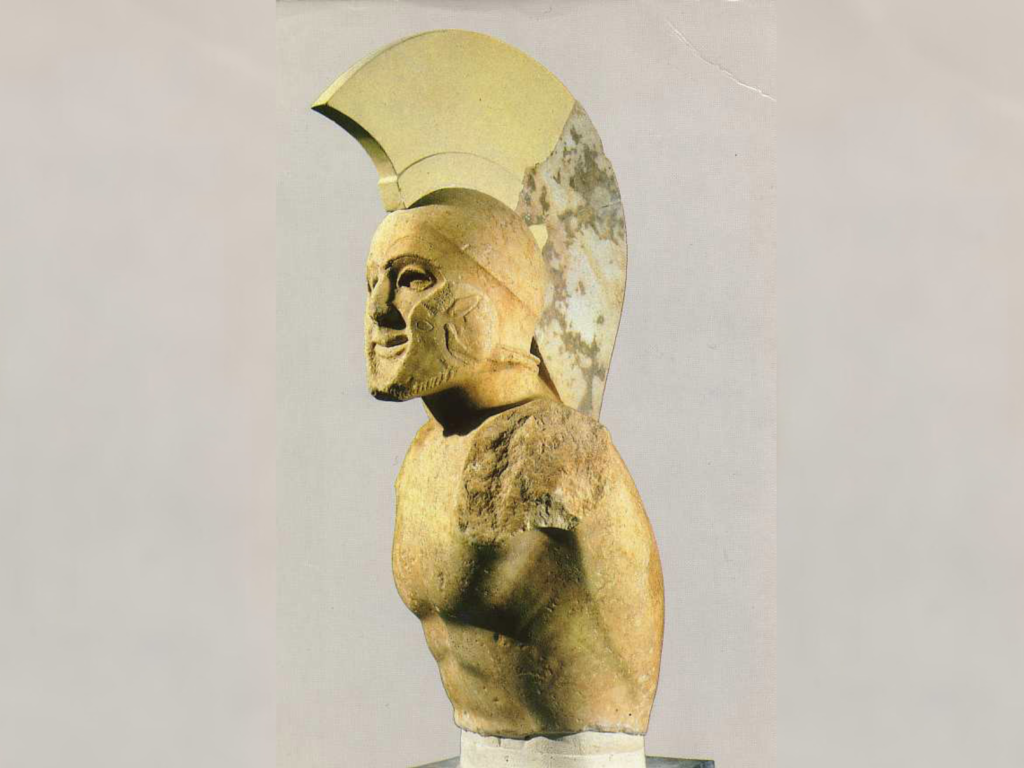
Forged for Battle The Spartan armory, central to the military prowess of ancient Sparta, reflected the city-state’s relentless focus on discipline, strength, and combat readiness. Located within the confines of the agoge, the rigorous training system for young Spartan boys, the armory was stocked with an array of weapons and armor designed to support the […]
The Greek Alphabet
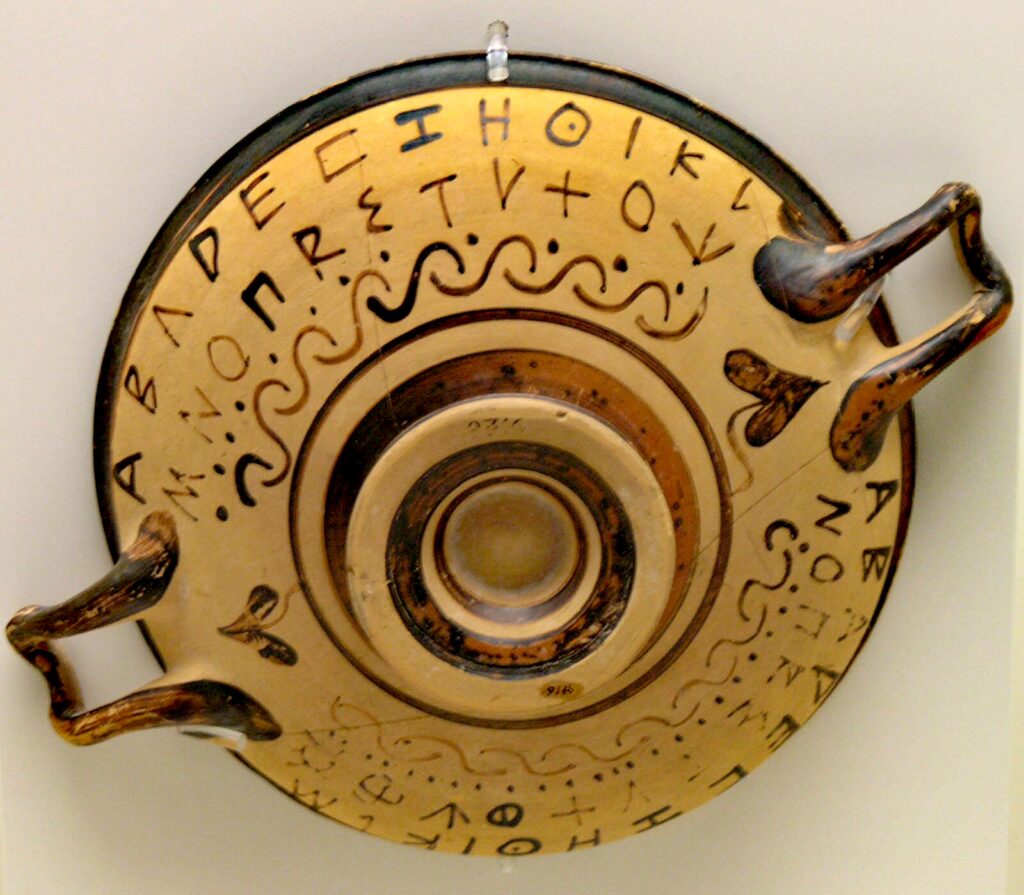
Origins and Mediterranean Spread The Greek alphabet, one of the most influential writing systems in human history, was developed around the 8th century BC. Rooted in the Phoenician script, which used only consonants, the Greek version introduced a revolutionary change: the addition of vowels. This innovation, likely influenced by the earlier Linear B syllabary, made […]
Aegean Life – Part I

How Landscape and Livelihood Shaped Early Aegean Civilization Between 3000 and 2000 BC, the Aegean islands began to foster a distinct and thriving way of life during what we now call the Early Bronze Age. Crete, Thera (modern Santorini), and dozens of smaller islands became home to communities uniquely shaped by the land and the […]
Inner Migration and Change
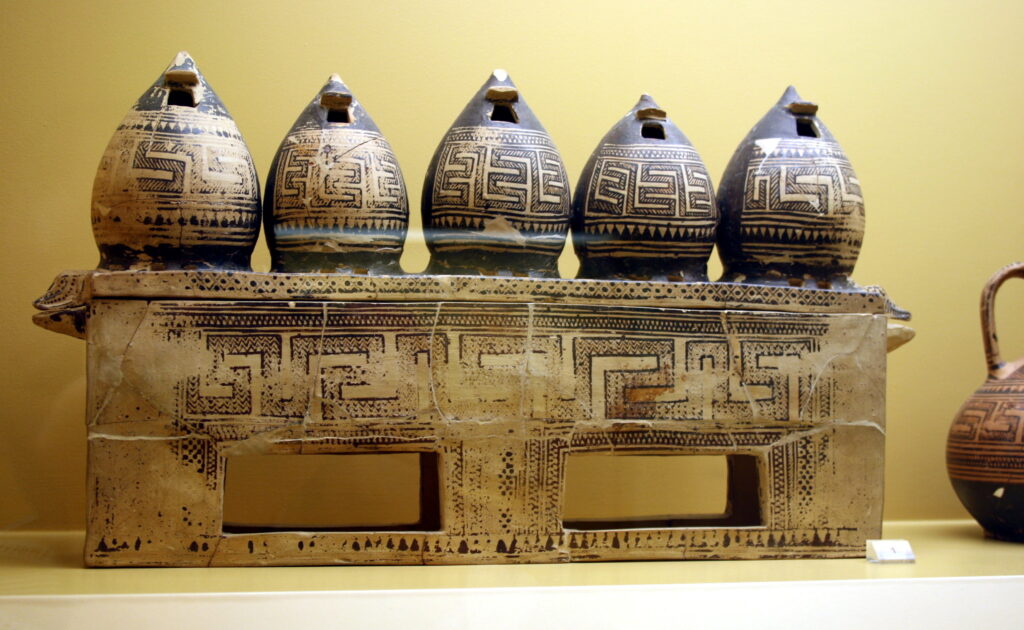
The Transformative Landscape of the Greek Dark Age The Greek Dark Age (c. 1100–750 BC) followed the dramatic collapse of the Mycenaean civilization, a period once dominated by powerful palaces, organized trade, and complex social systems. After this fall, Greece entered a time of profound transformation, marked by a sharp decline in population, loss of […]