A unique heritage
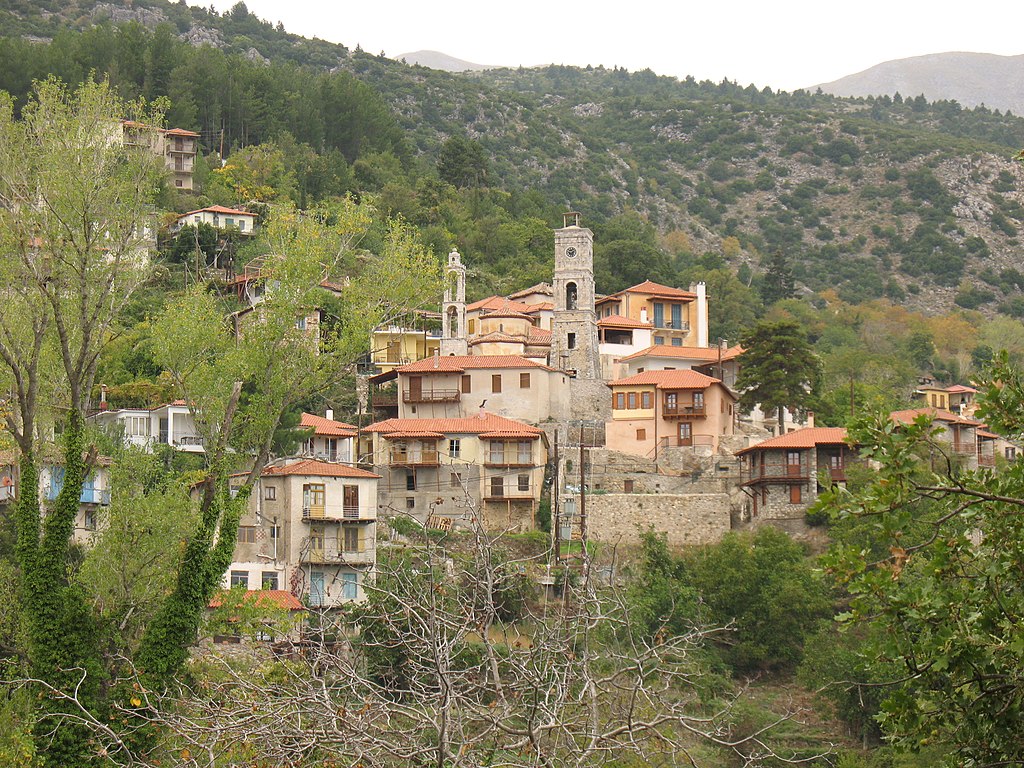
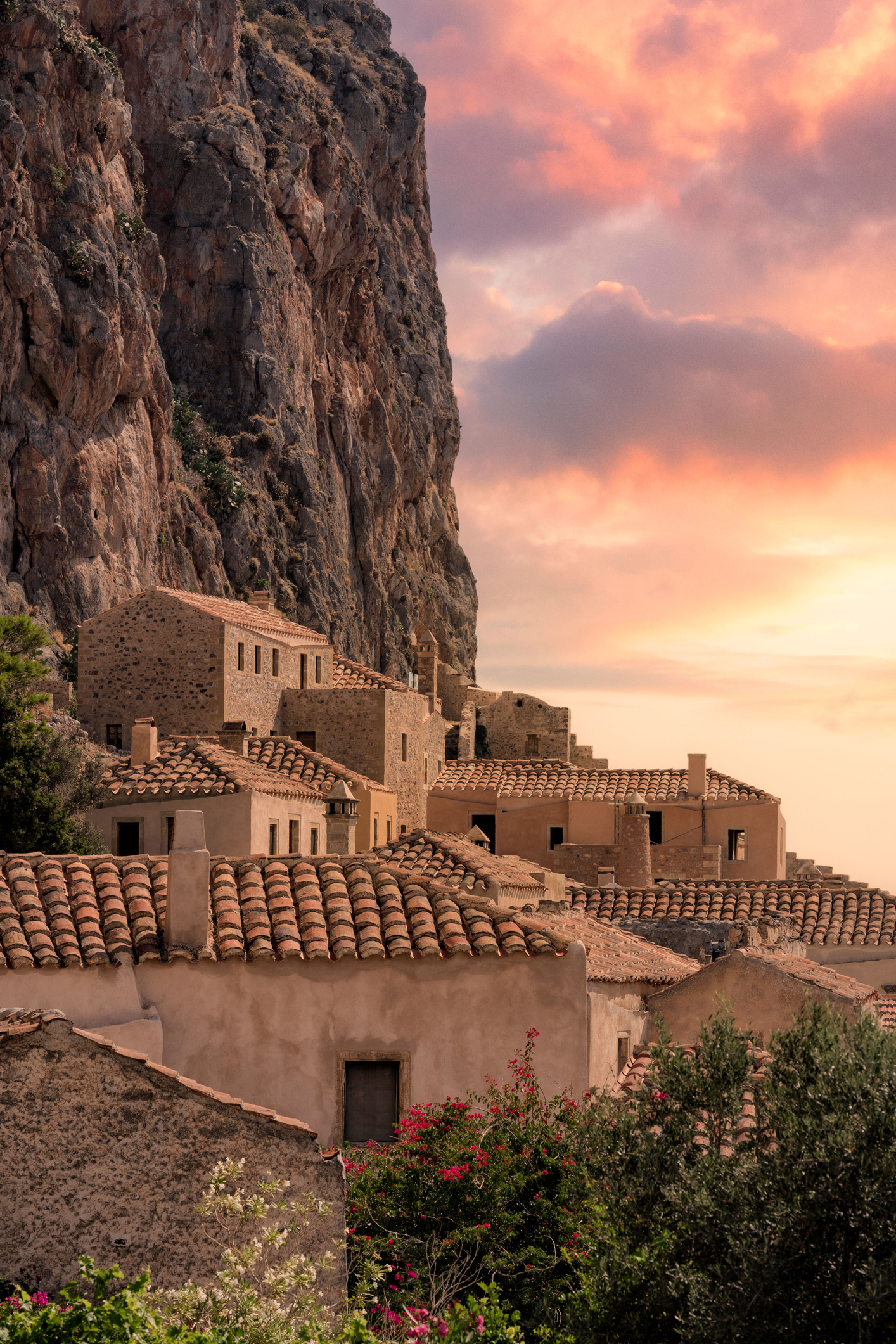
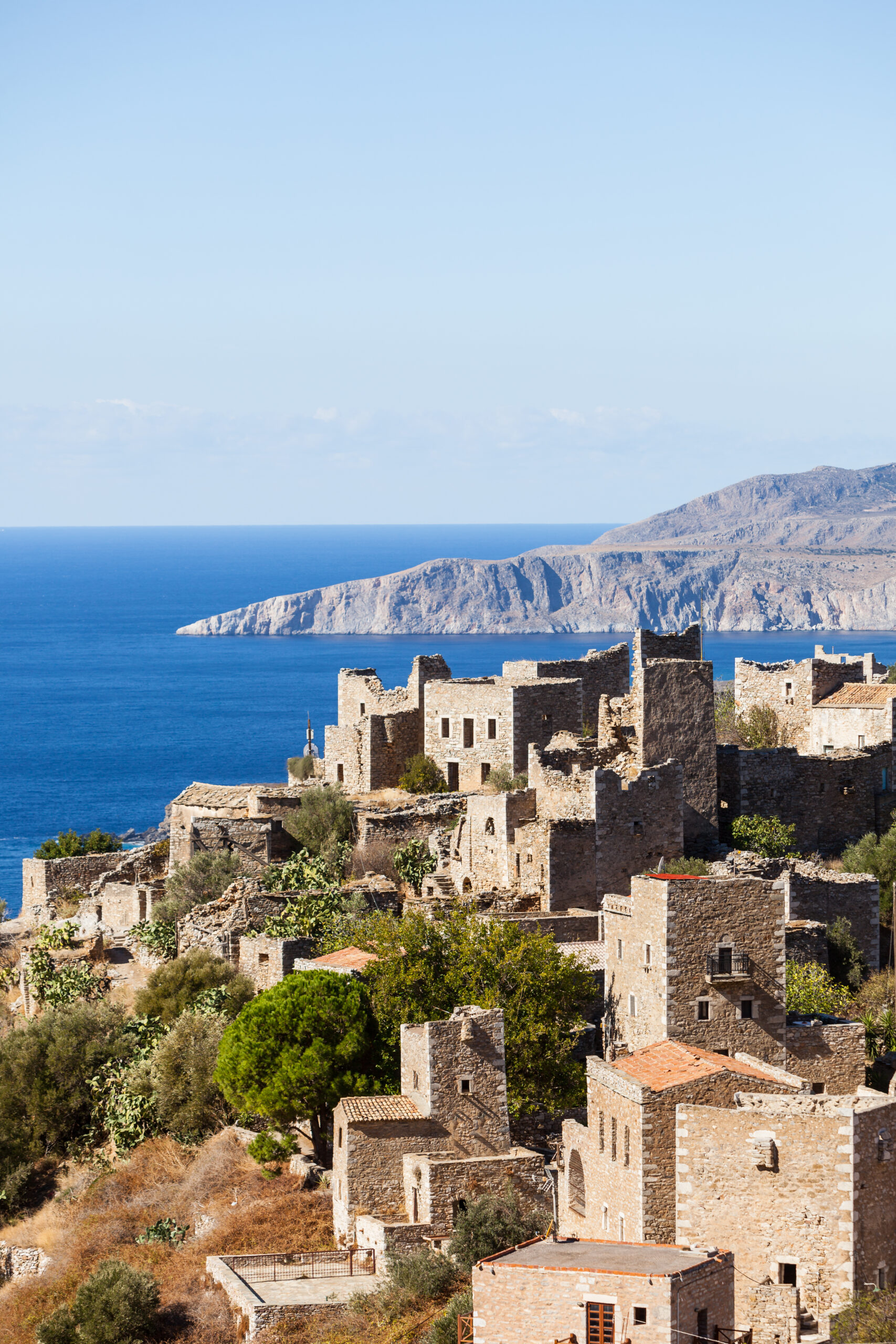
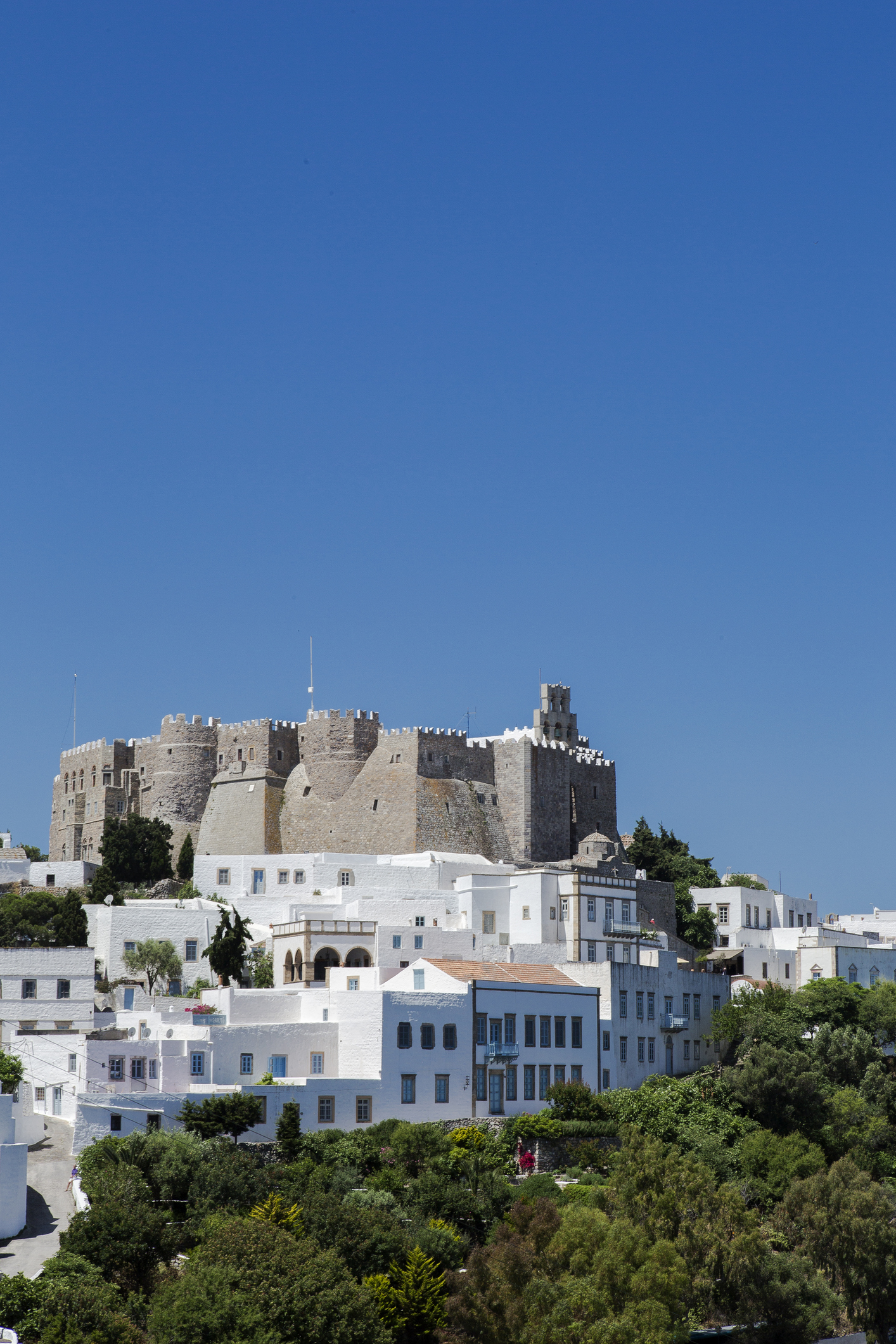
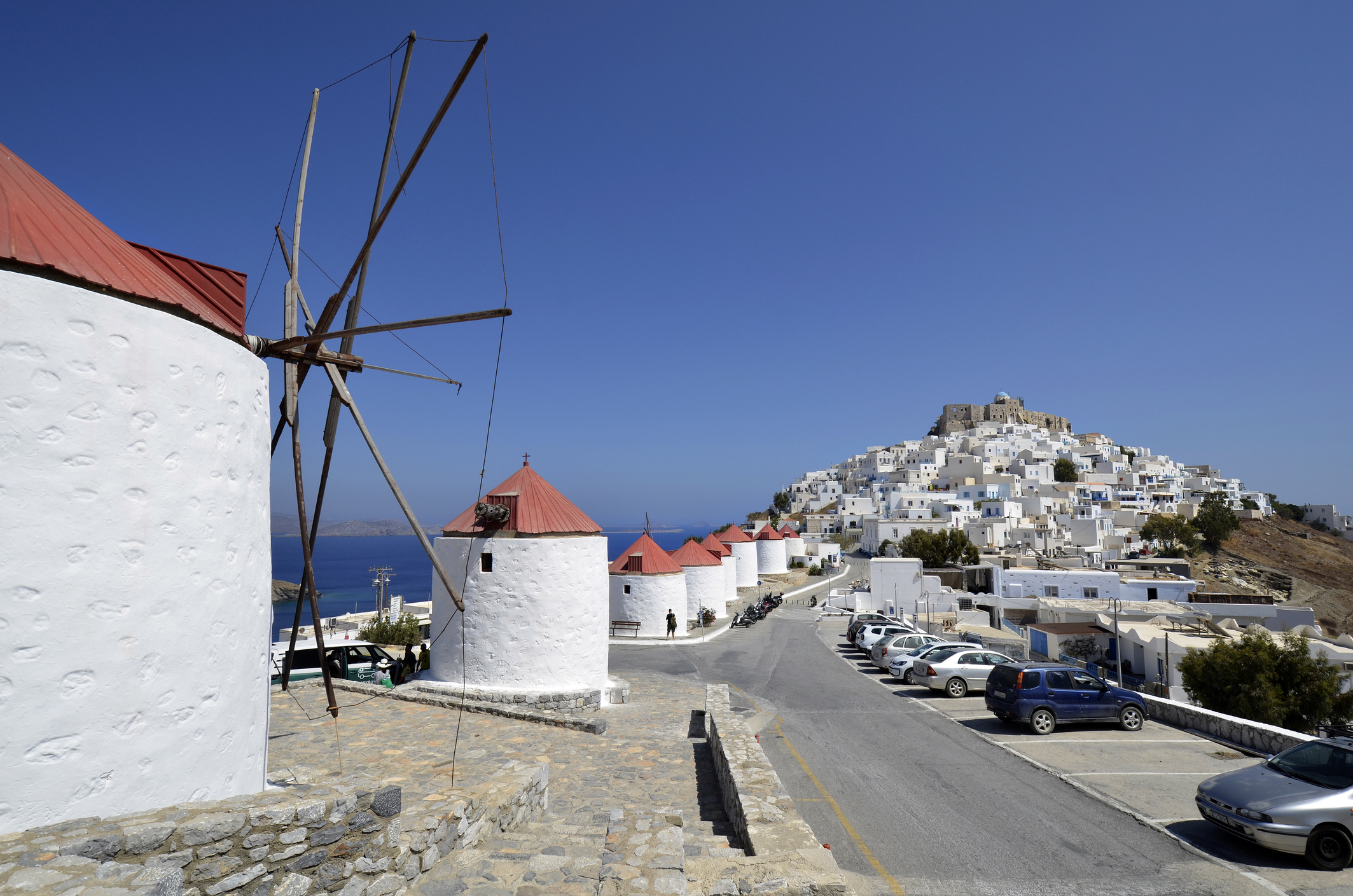
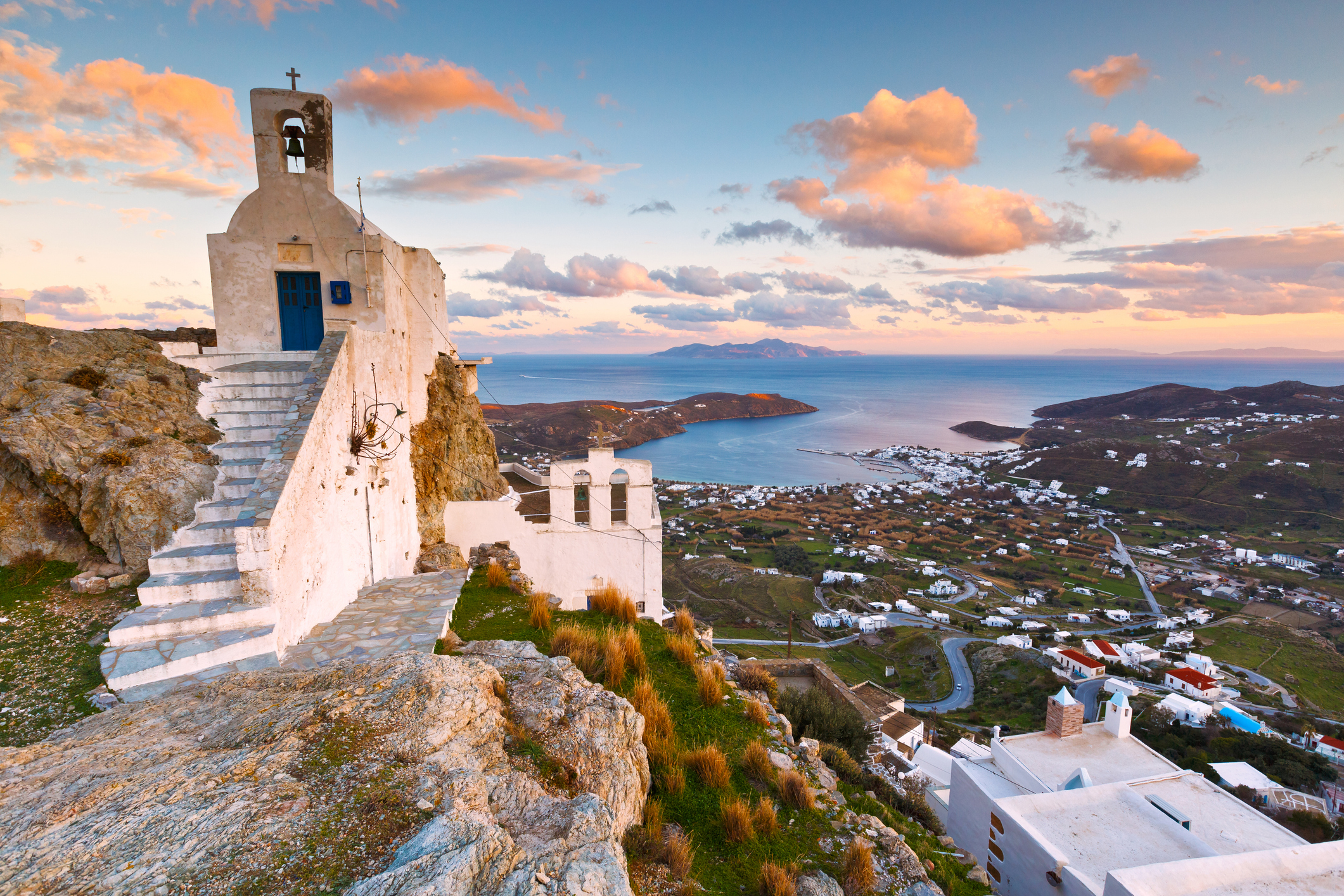
The southern region of Chios, Greece, is the exclusive source of masticha, a resin derived from the mastic tree (Pistacia lentiscus var. chia). This unique agricultural product is central to the identity and economy of the Mastichochoria, a cluster of medieval villages designed with fortress-like architecture and narrow, labyrinthine streets to protect the valuable commodity from historical pirate raids.
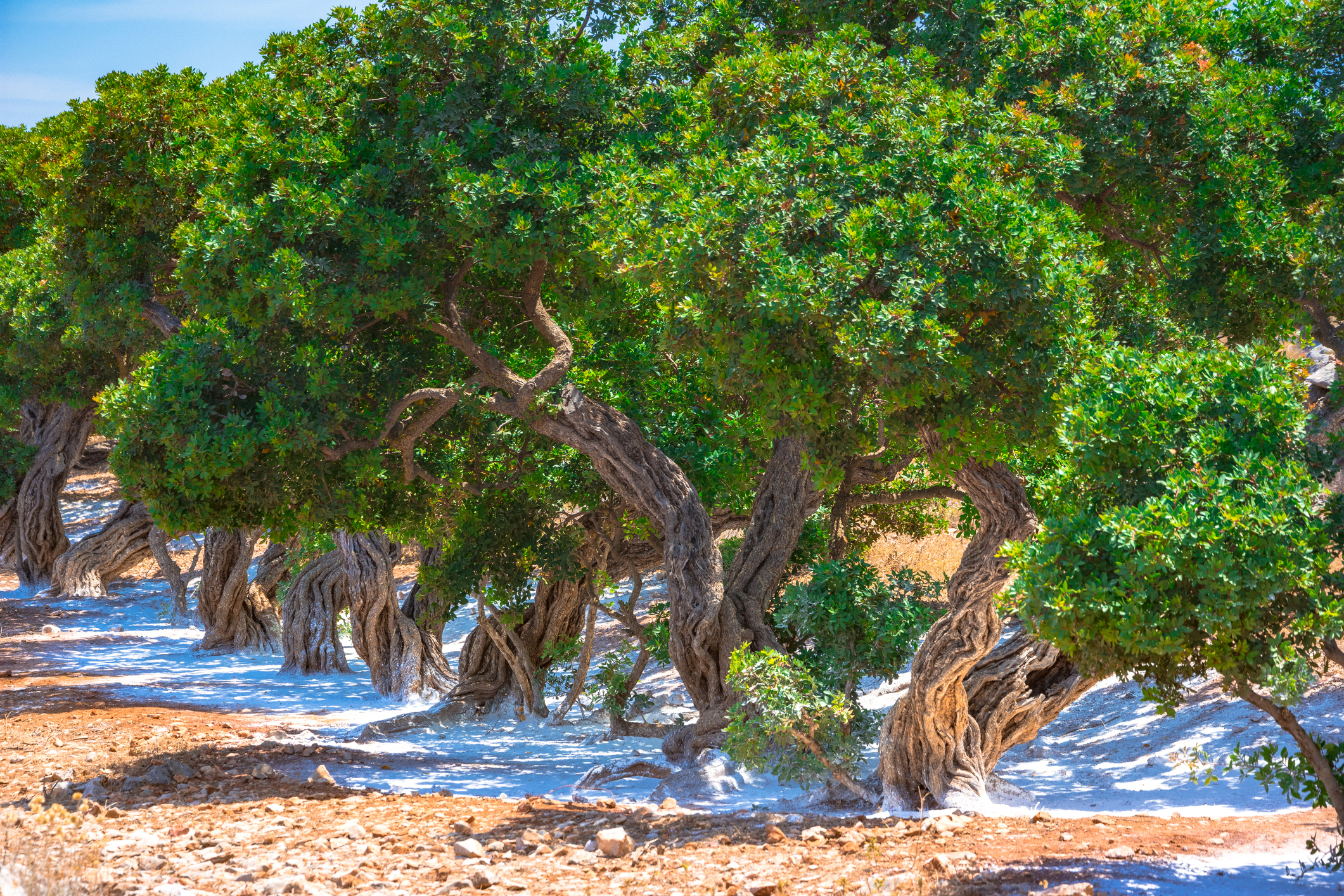
The cultivation process involves a meticulous technique. The ground beneath the mastic trees is meticulously swept clean and coated with white calcium powder. Farmers then make precise incisions in the bark of the small, twisted trees. This action prompts the tree to “weep” clear, tear-like drops of resin. These drops slowly ooze out, fall onto the prepared earth, and harden into crystalline formations known as mastic “tears.”
Numerous attempts to cultivate mastic trees elsewhere in Greece and around the world have demonstrated that while the trees can grow in other locales, they fail to produce the characteristic resin. This phenomenon is attributed to the specific microclimate and soil composition found only in southern Chios. This geographical exclusivity has historically made mastic an incredibly valuable commodity, often referred to as “white gold,” which played a significant role in the island’s history and economic development, even granting it special status during periods of foreign occupation.