
By Katerina Florous
Greece’s crystalline seas, sun-washed cafés and ancient ruins have never been more than postcard scenery. But today, they are the backdrop to a new chapter of global work life — one where remote workers, tethered only to Wi-Fi and time zones, are reshaping communities from Athens to Syros.
For years, Greece was an aspirational escape for summer travelers. Now, it’s becoming home.
From Visa Policy to Village Life
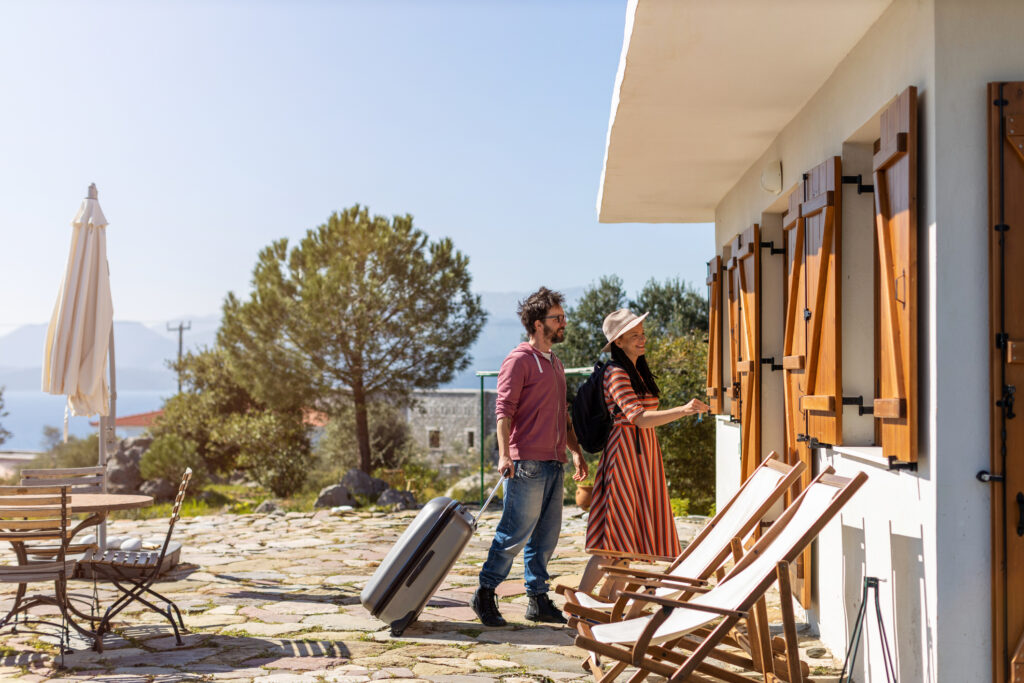
In 2021, Greece became one of the first European countries to introduce a Digital Nomad Visa, designed to attract remote workers from outside the EU. The policy has evolved — by 2026 applicants must prove a monthly income of around €4,000 — a threshold that ensures a certain level of spending power but also keeps out lower-income visitors.
The result? Tens of thousands of nomads – freelancers, entrepreneurs and remote employees – now live for months or even years in Greece. Popular hubs include Athens and Thessaloniki for urban coworking, as well as islands like Crete and Syros for those seeking a slower rhythm.
Online communities on Facebook and Reddit have become lifelines for this global workforce:
- In the Digital Nomads in Greece Facebook groups, newcomers share tips on housing, coworking spots, and how to navigate Greek bureaucracy. Members help each other find affordable rentals, recommend cafés with reliable internet, and even organize group meetups.
- On Reddit, nomads swap firsthand experiences about living in Thessaloniki’s cafés and struggles with local internet quality — sometimes with surprising candor about cultural and logistical friction.
And then there are the storytellers who influence thousands. One example is Cara Celeste West’s YouTube channel (The Digital Nomad Mom), where an American family openly documents life on a Greek island, blending remote work with daily Greek life and world-schooling adventures with her daughter. Her community shares housing tips, lifestyle guides and reflections on local life that fuel the dream for many viewers worldwide.
Boosting Local Economy, But at What Cost?
It’s easy to sing the praises of digital nomadism in numbers: incoming residents spend on rent, cafés, groceries, coworking spaces and ferries — providing off-season income to businesses often dependent on summer tourism. Local restaurants and service providers appreciate the year-round customers.
Some municipal tourism offices and island councils have actively promoted “Work From” programs, linking nomads with local hosts in Syros, Kalamata and other communities.
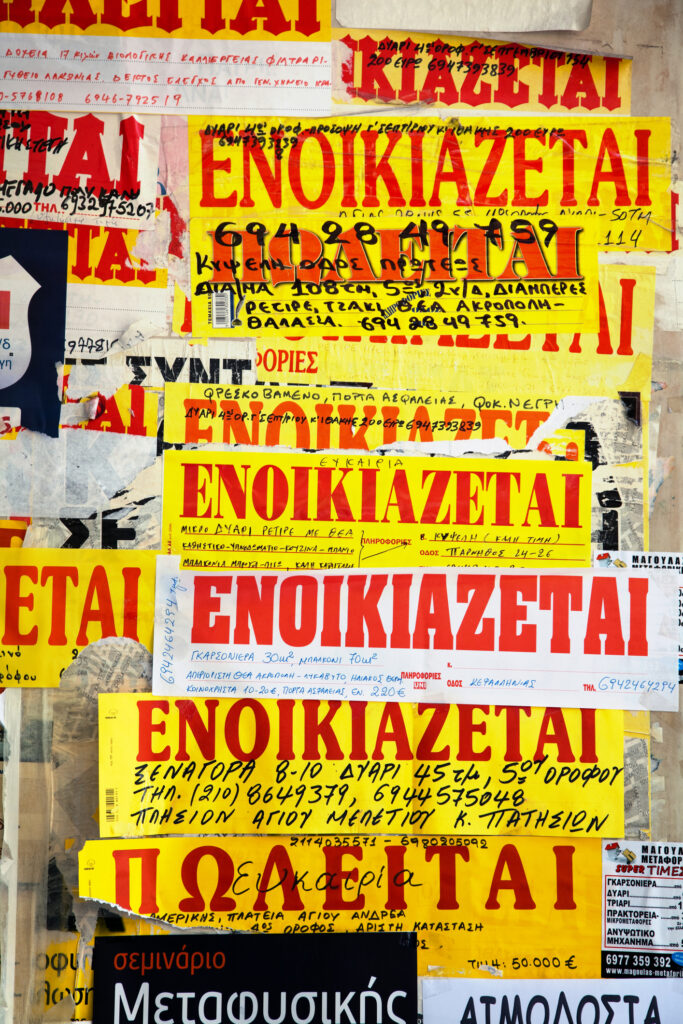
However, economists and local activists caution against the rosy picture. A growing body of research suggests that when remote workers with higher incomes enter a housing market with limited supply, rents tend to rise, pricing out lower-income long-term residents and changing neighborhood dynamics. Short-term lets and nomad-targeted rentals can displace traditional tenants, pushing local families further from markets like Syros and Kalamata into less central or less serviced areas.
Social platforms offer a mix of admiration and anxiety. On Reddit, nomads themselves sometimes acknowledge the contradiction: one commenter pointed out that rents — while reasonable to foreigners paid in dollars or pounds — are out of reach for locals earning Greek wages, creating an uneven economic landscape.
Local residents in group discussions sometimes echo the sentiment: visitors who can pay €800–€1,000 a month for a small apartment make it harder for someone earning a Greek salary to compete. (Greece’s average wages remain significantly lower than many of the currencies nomads are paid in.) Housing stock geared to remote workers also reduces availability for families seeking long-term homes.
Others raise cultural concerns: the very communities that draw nomads, quiet villages, authentic island life, risk becoming commodified, reshaped to serve short-term foreign tastes rather than the needs of lifelong residents.
A Mediterranean Tightrope
In 2026, Greece stands at a crossroads. Digital nomads are here to stay, and for many local businesses they represent a welcome infusion of demand in cooler months and a break from seasonal tourism dependency. Online communities and influencers amplify the allure, anchoring Greece’s reputation as a Mediterranean hub for global freelancers.
But that success comes with a caveat. Unless policy, housing markets and community planning keep pace, the very lifestyle that brings this global workforce could also contribute to rising costs and social strain for local Greeks, especially those on modest incomes.
Ultimately, the question isn’t whether Greece can host a global workforce. It’s whether it can do so in a way that benefits local communities as much as it does the nomads themselves.