
Greg Mandanis on Plaiwrite, podcast IP, and why audio is the smartest place to test stories today
By Katerina Florous
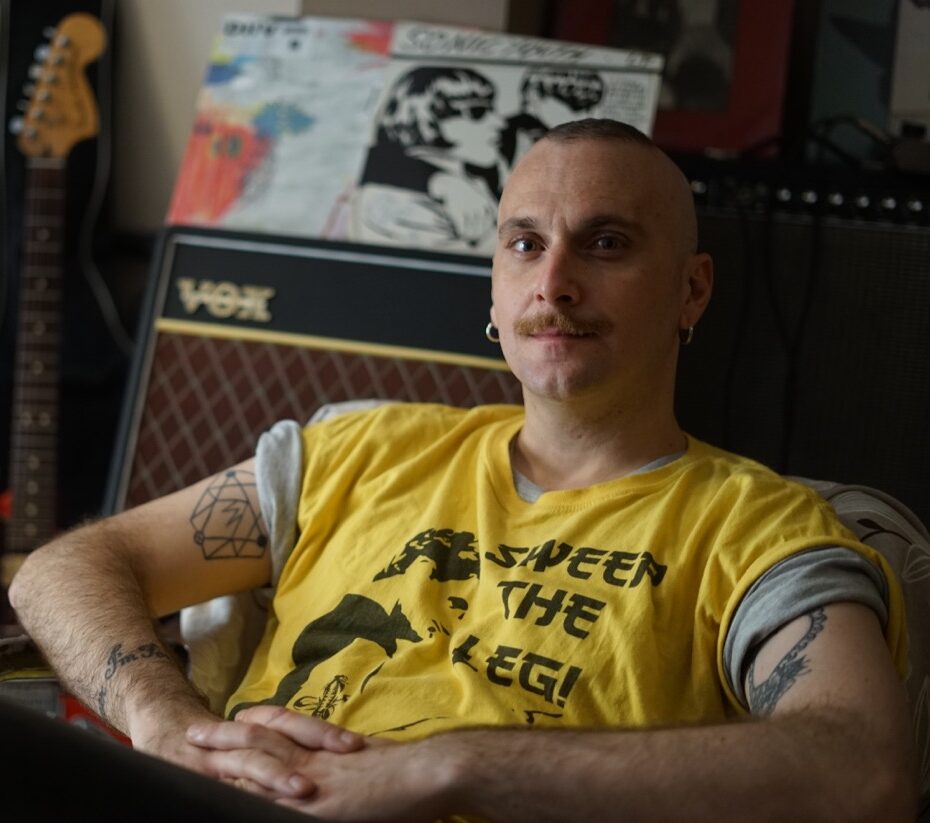
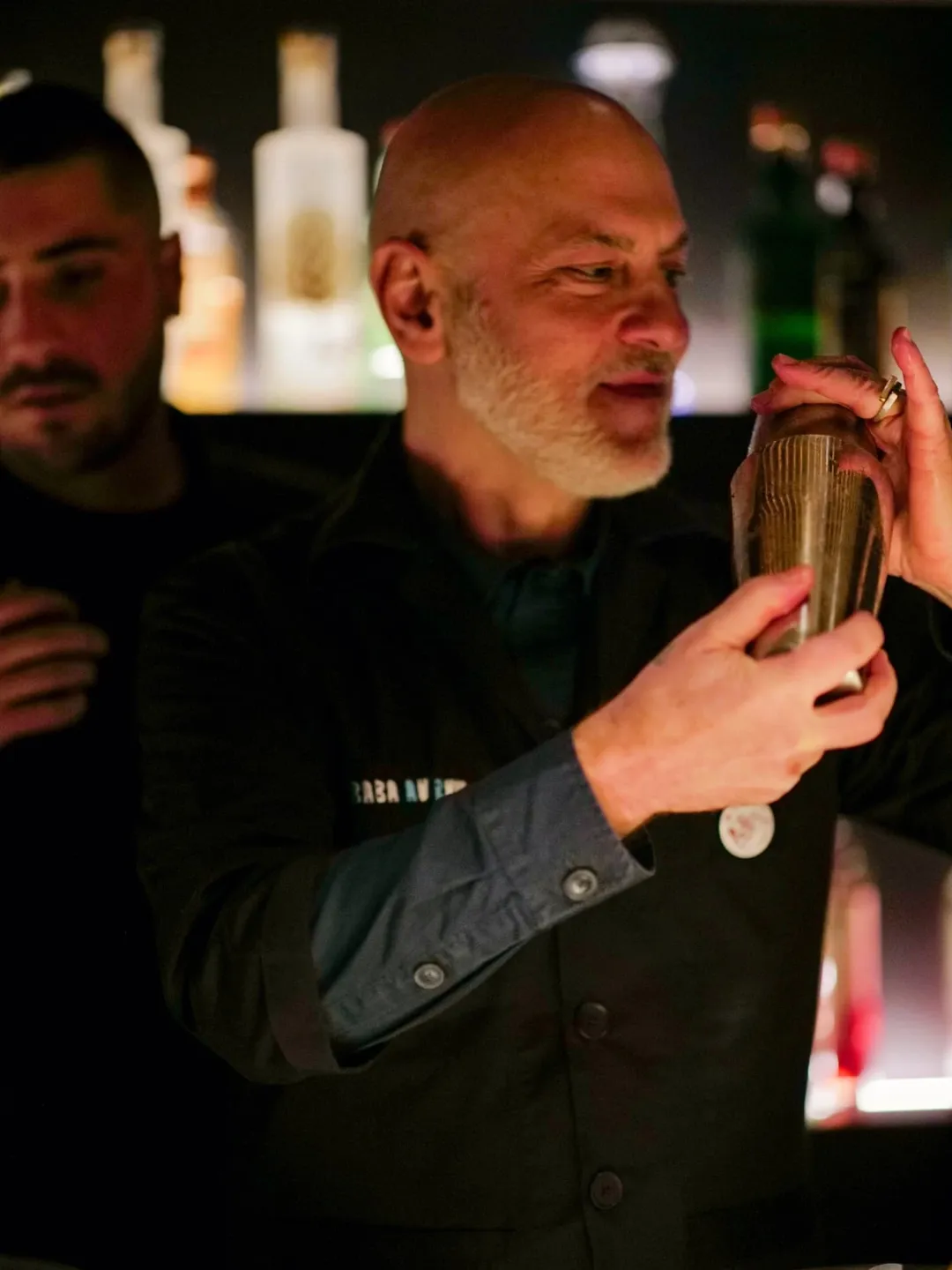
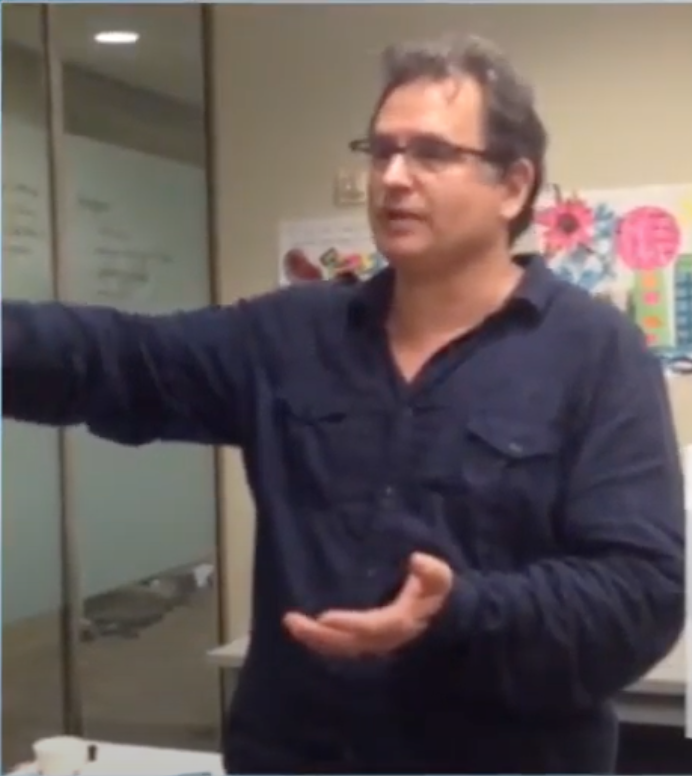
Greg Mandanis is the founder of Plaiwrite, a one-stop-shop online podcasting studio that helps screenwriters turn feature screenplays into green-lit podcast productions. With nearly 30 years in software, media, and telecom, including roles at Disney Media & Entertainment, Technicolor, DIRECTV, Apple, and IBM, he has led award-winning innovation in high dynamic range broadcasting and is the author of Software Project Management Kit For Dummies. Now based in Greece, he continues to write novels and screenplays while building tools that empower creators to own their work.
When Greg Mandanis talks about relocating to Greece, he doesn’t frame it as a pause in his career, but as a return to its core.
“What brought us here was a desire to reconnect with our roots,” he says, speaking from Greece. “And to contribute back to Greece in a meaningful way, especially through creative projects.”
Mandanis’s wife is an English professor. His son is a recent film school graduate. The decision to relocate, he explains, was deeply tied to family, and to the desire to help the next generation of creators build careers with more ownership.
“For me, it’s about helping people own the means of production,” he says. “Telling their stories without needing permission.”
Being in Greece, he adds, has been grounding. “It reminds you where storytelling really began, mythology, history, the source.”
Greece vs. Silicon Valley
Life in Greece moves differently.
“It’s slower, but more intentional,” Mandanis says. Living in Greece, remote and far from big-city rhythms, has sharpened that contrast.
“The Silicon Valley mindset is ‘move fast, break things, fix later,’” he explains. “In Greece and Europe, there’s more caution, especially around AI. And I think there’s wisdom in that.”
Creatively, however, Greece feels anything but slow.
“History, mythology, the sea, it fuels imagination in a way that’s hard to replicate elsewhere.”
Why podcasting, and why now
Podcasting wasn’t a trend-driven decision. It was a practical one.
“During COVID, collaboration became very difficult,” Mandanis says. “Meetings stopped. Productions stalled. Audio didn’t.”
Podcasts, audiobooks, and audio dramas accelerated, continuing a tradition that goes back more than a century.
“Radio plays have always been powerful,” he notes. “Audio-only storytelling works.”
What audio offers, he explains, is speed and accessibility. A podcast can function as a high-quality table read, something investors, collaborators, and studios can hear, not just imagine.
“That’s where Plaiwrite was born.”
The biggest mistake writers make with audio
When adapting stories for audio, Mandanis sees the same mistakes repeated.
“The biggest one is not using a narrator, or using one incorrectly,” he says. “Audio needs clarity, but too much narration can also hurt.”
Another common issue is relying on a single voice.
“Audio needs characters, emotion, direction,” he explains. “Writers aren’t always trained as directors.”
Plaiwrite was built to bridge that gap, helping writers shape mood, pacing, and cinematic flow, while keeping creative control firmly human.
“AI should be a creative assistant,” Mandanis says. “Not a replacement.”
Can Greek stories travel?
Mandanis doesn’t hesitate.
“Absolutely.”
He points to a screenplay written by his son, based on his wife’s experience coming to Greece in 1973, during the military junta.
“It’s very Greek,” he says. “But it’s also about identity, freedom, and strong female independence. Those themes travel.”
Greek stories, he believes, don’t need to be touristic to be global.
“They can be local, authentic, and still international.”
Advice to Greek and European creators
His advice is simple, and difficult.
“Tell the story from the heart. Be true to yourself.”
He admits that earlier in his career, he also chased genres. “I wrote a political sci-fi story I loved at the time. Now that I hear it played out, I see many things I’d change.”
Iteration, he says, is essential.
“In software we call it Scrum, like a rugby scrum. Everyone’s connected. You try different plays, then regroup.”
Podcasting makes that process possible: breaking a screenplay into short episodes, testing them, getting feedback, and later stitching them back into a feature film or series.
“Be flexible,” he says. “But stay true to your story.”
Faith, fragility, and perspective
Living in Greece has also sharpened Mandanis’s sense of fragility.
A recent cyclone knocked down trees and caused real damage. At the same time, he’s working on an audio project inspired by the story of Noah.
“It suddenly felt very real,” he says. “Things can change fast.”
Faith, he adds, plays a role in how he navigates uncertainty.
“If you have faith, even the size of a mustard seed, things can move.”
Why audio still excites him
What excites Mandanis most isn’t technology, it’s access.
“I have a friend who’s written 150 screenplays over 25 years,” he says. “None were made. Now he can finally hear them.”
Audio, when done well, doesn’t need visuals.
“The mind fills them in,” he says. “That’s the magic.”
With AI assisting, not replacing, creators, Mandanis believes original, human-made stories will stand out even more.
“That’s the future,” he says. “And it’s wide open.”