The Timeless Tradition of Olive Oil Production in the Peloponnese
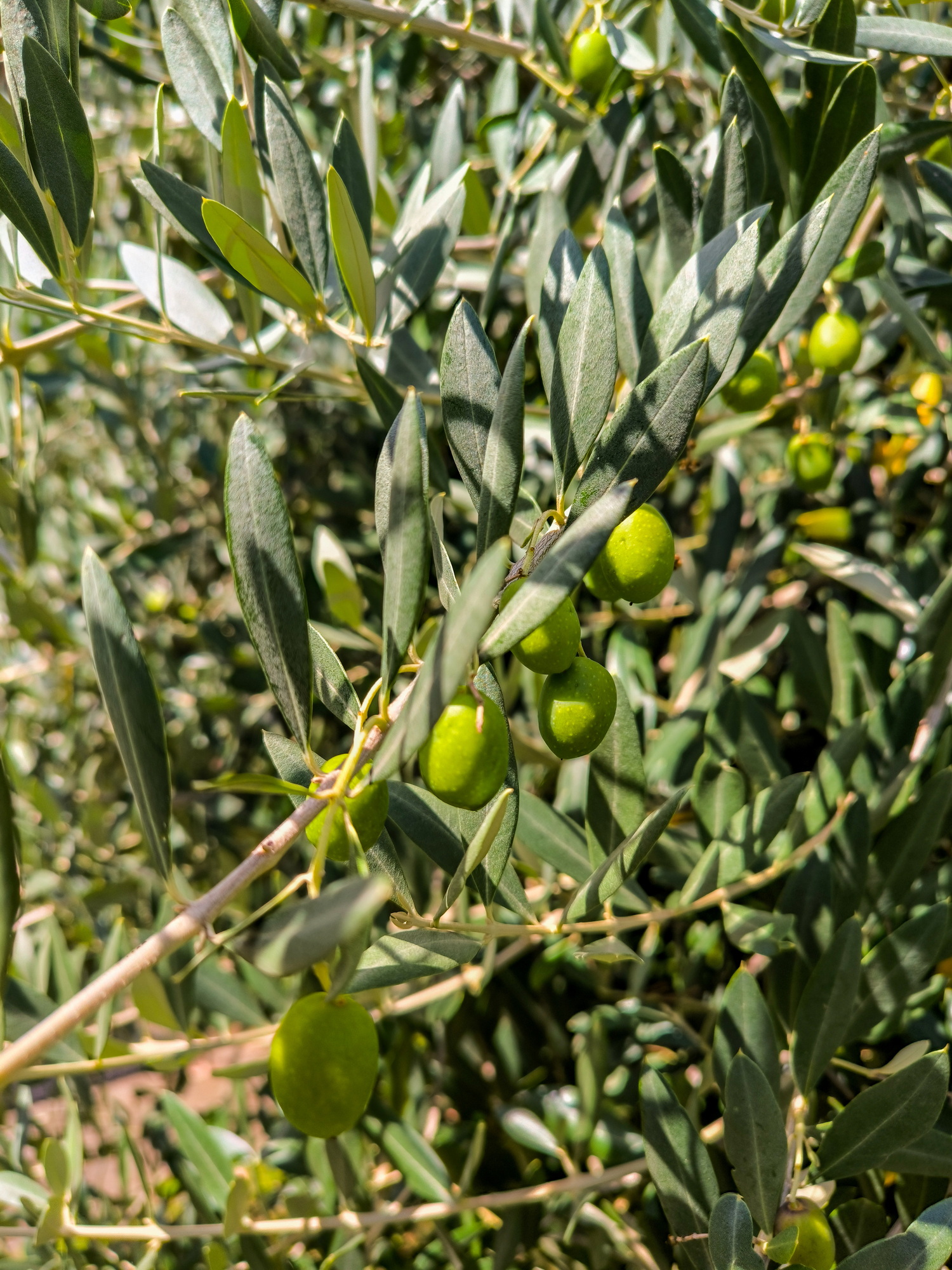
The Peloponnese peninsula, particularly regions like Laconia and Messinia, stands as a cornerstone of Greece’s olive oil heritage, with ancient olive groves contributing to a long and continuous tradition of oil production. The cultivation of olive trees in this area dates back millennia, deeply embedded in the local economy and diet.
The dominant varietal is the Koroneiki olive, known for producing robust, fruity, and slightly peppery extra virgin olive oil. Harvesting typically occurs in late autumn and early winter, often employing traditional methods such as beating the branches with long poles, causing the olives to fall onto nets spread beneath the trees. This method minimizes damage to the fruit.
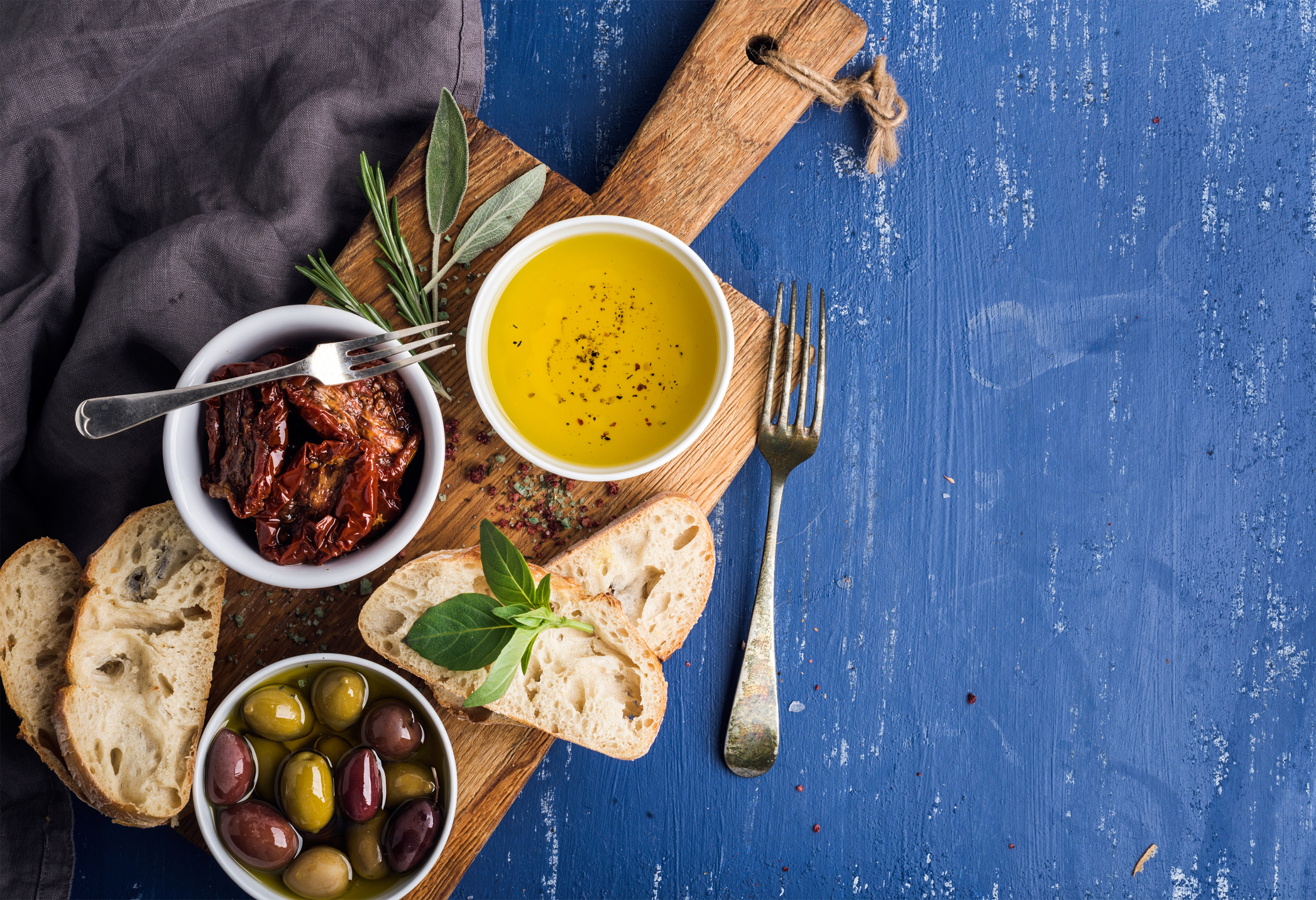
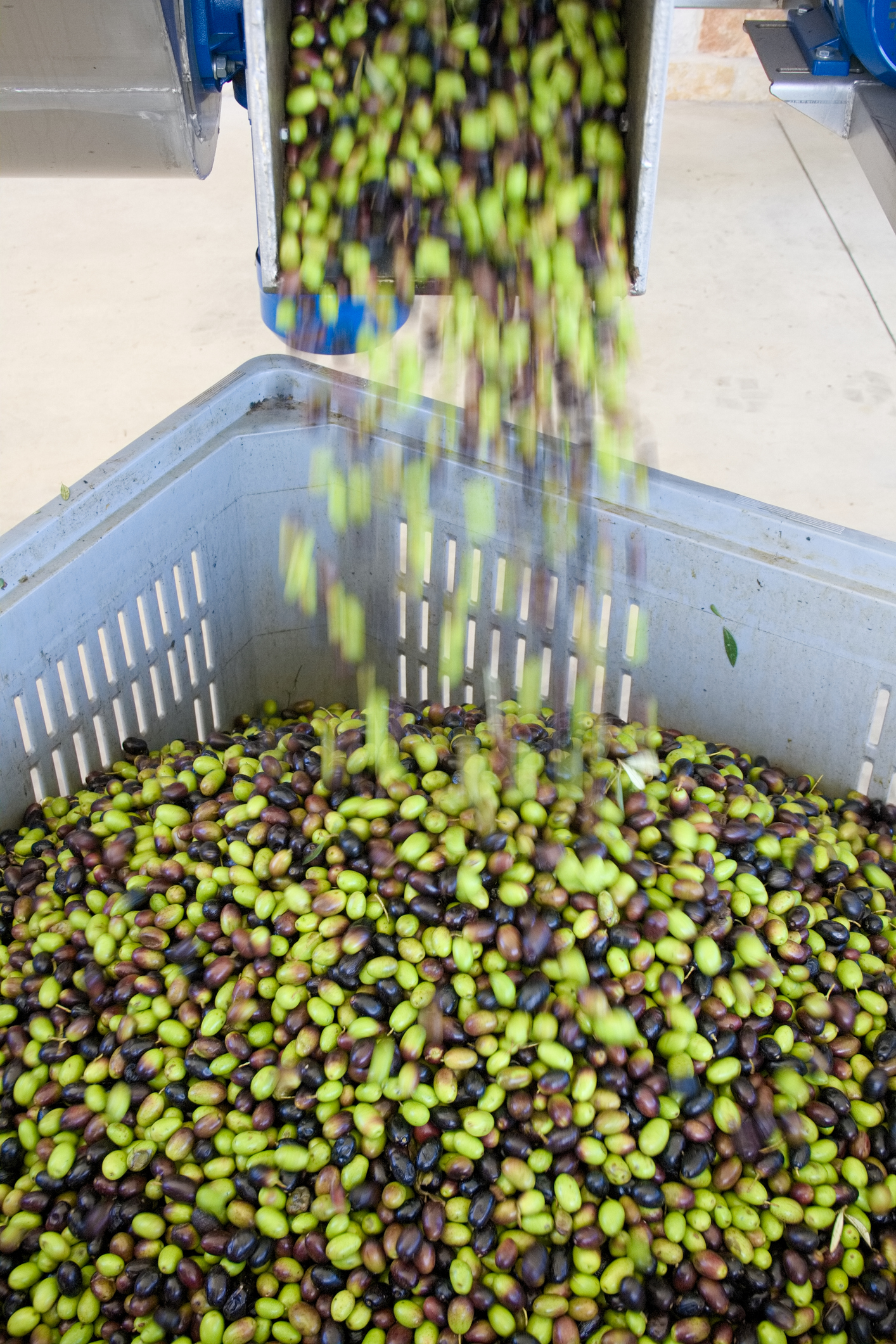
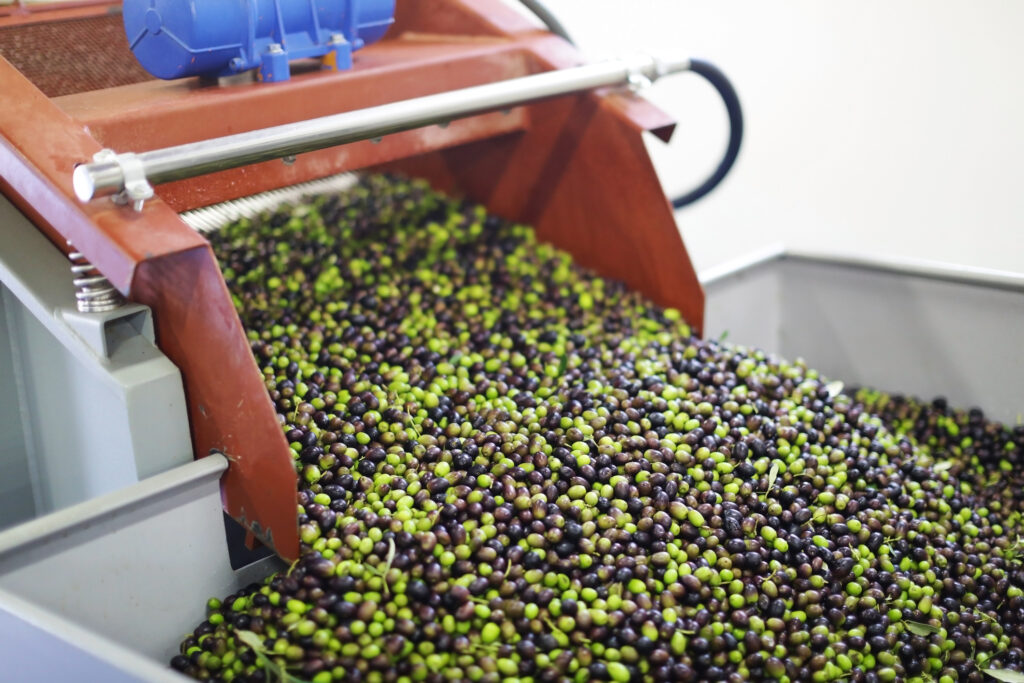
Upon harvesting, the olives are quickly transported to mills for cold pressing. This process extracts the oil without excessive heat, preserving its delicate flavors, aromas, and nutritional properties. Peloponnesian olive oil is characterized by its high polyphenol content and low acidity, reflective of careful cultivation and processing. It remains a fundamental component of the Mediterranean diet and a significant export, embodying centuries of agricultural expertise.