The Timeless Legacy of the Panathinaiko Stadium
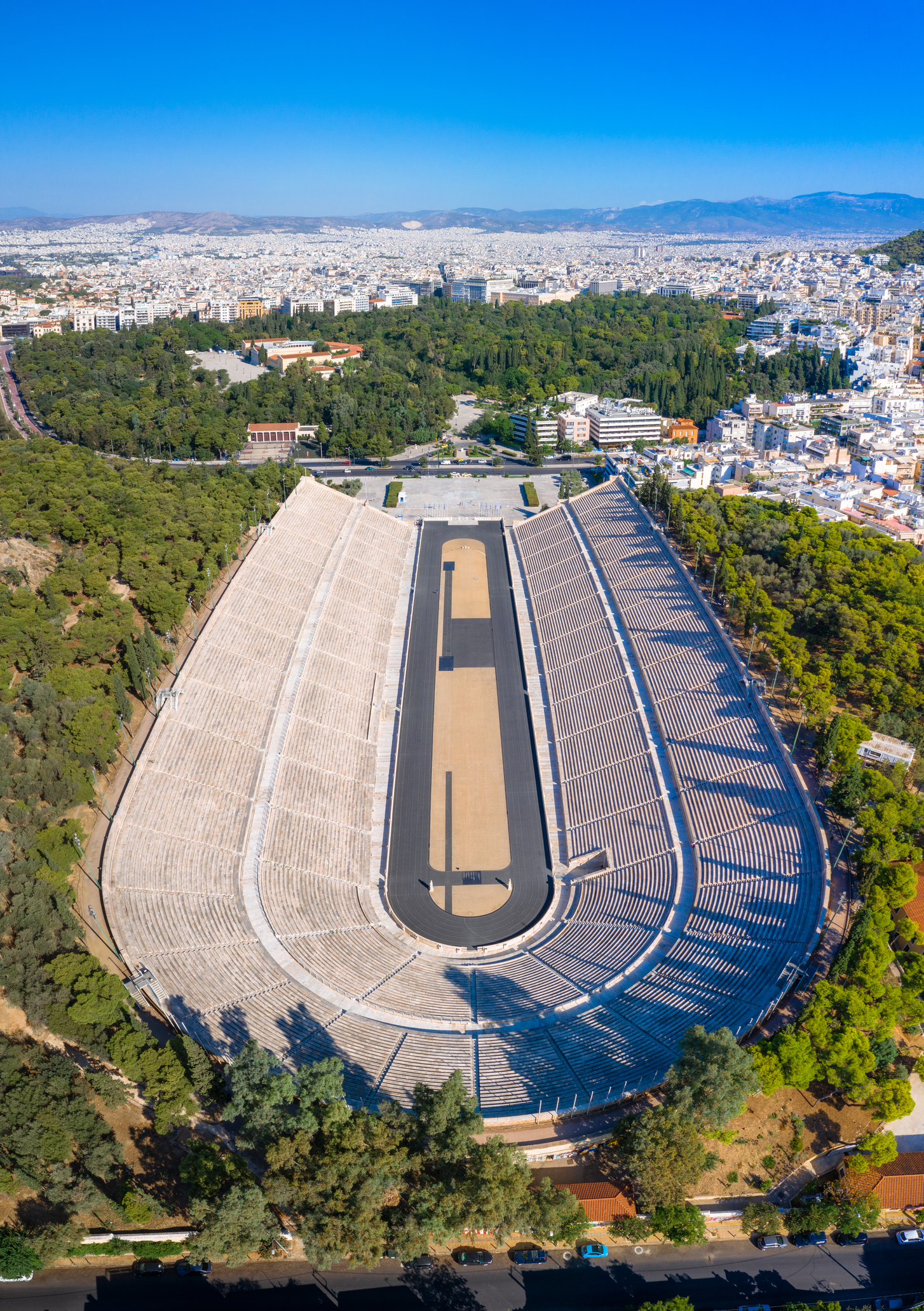
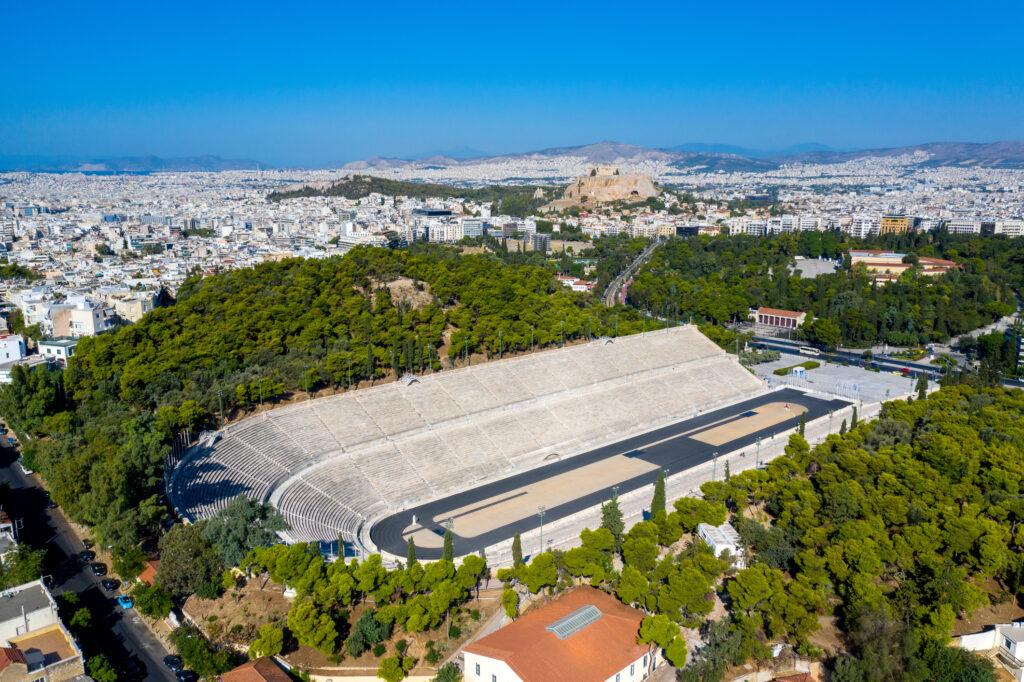
The Panathinaiko Stadium, known as Kallimarmaro, stands as a revered testament to the ancient Olympic spirit in Athens, Greece. Its origins trace back to 330 BC, when it was initially built for the Panathenaic Games, a prestigious festival honoring the goddess Athena. In 1896, the stadium was meticulously restored by architect Konstantinos Karakostas to host the first modern Olympic Games, marking a pivotal moment in sports history.
The stadium’s design is awe-inspiring, crafted from gleaming white Pentelic marble, showcasing an elegant U-shape with a seating capacity of around 80,000 spectators. Its historic significance soared during the 1896 Olympics, where it hosted various athletics events, including the marathon, capturing the essence of competition and camaraderie that define the Olympic spirit. The opening ceremony was a spectacle, drawing crowds from around the world, eager to witness the revival of a cherished tradition that had faded into obscurity for over a millennium.
Through the decades, the Panathinaiko Stadium has served various functions, transitioning from an Olympic venue to a cherished landmark. In 2004, it was again in the spotlight, hosting the archery events during the Athens Summer Olympics. Its majestic marble structure has become a symbol of sporting excellence and cultural heritage for the city.
Today, Kallimarmaro stands not only as a relic of history but as a vibrant venue for contemporary events. Its immersive atmosphere hosts concerts, cultural festivals, and significant ceremonies, bridging the past with the present. Renowned artists perform against its backdrop, creating unique experiences where music harmonizes with history. The stadium continues to inspire, drawing locals and tourists alike, preserving the legacy of the ancient games while embracing the dynamic spirit of modern entertainment. This enduring emblem of athletic prowess and cultural significance remains a beloved centerpiece in the heart of Athens.