The Sifnos Revithada
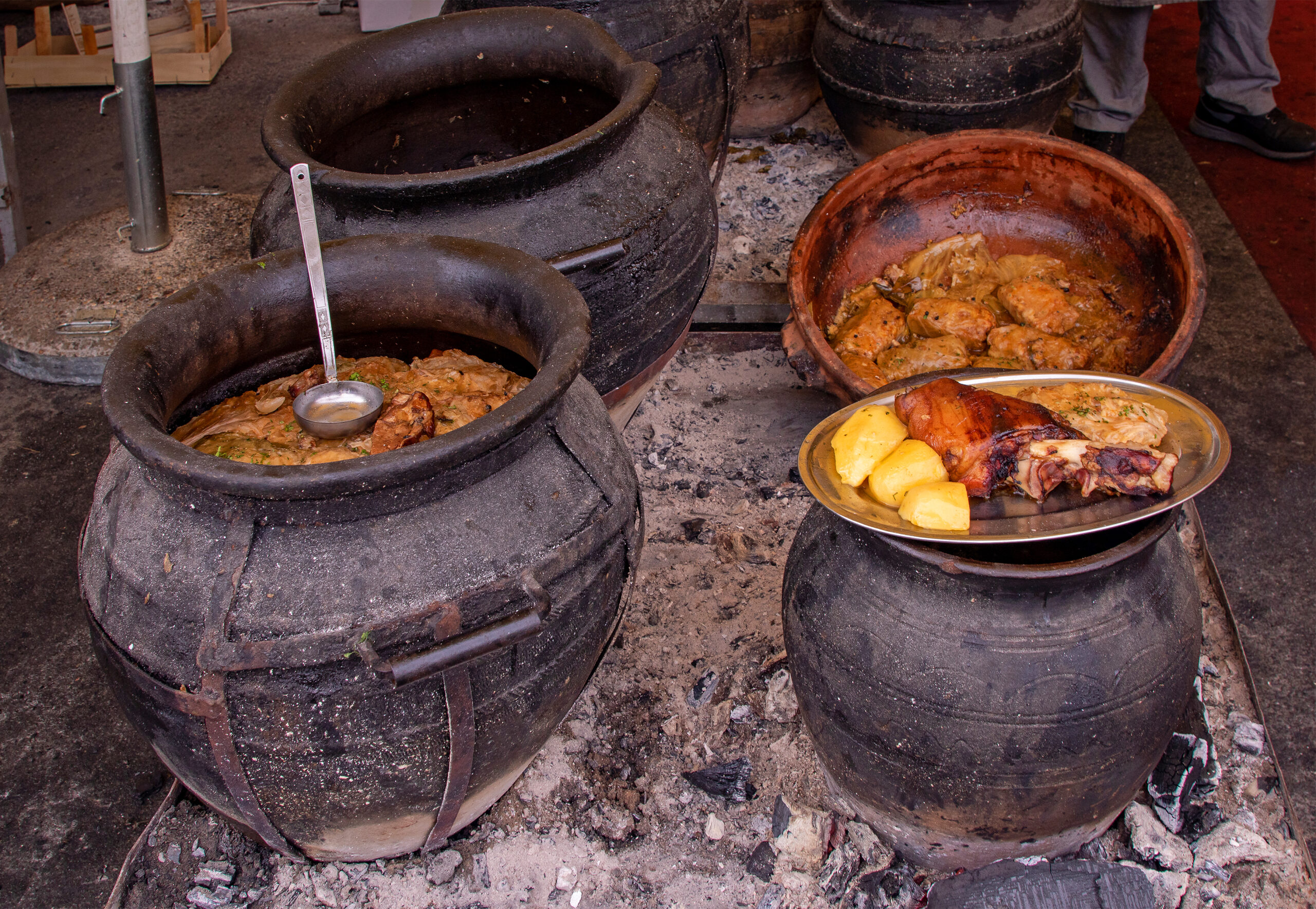
On the island of Sifnos, the arrival of Saturday evening is marked not by the clatter of home kitchens, but by a quiet, communal pilgrimage to the village bakeries. The central object of this weekly rite is the skepastaria, a distinctively shaped clay pot crafted specifically for the island’s culinary requirements. Into this vessel goes a mixture of agrarian simplicity: chickpeas soaked in rainwater, chopped onions, salt, and a generous pouring of olive oil, often flavored with a single bay leaf or lemon.
The preparation of Revithada is unique because it relies on a collective civic infrastructure rather than a private stove. Families carry their filled pots to the local wood-fired ovens, which are still hot from the day’s bread baking. Because the ovens are fueled with dried vine cuttings, the air in the streets grows thick with a sweet, smoky aroma. As dozens of identical clay vessels are lined up inside the cavernous hearths, the lids are typically marked with charcoal or specific scratches to identify ownership.
Once the oven is filled, the iron door is sealed shut with a paste of fresh dough. This hermetic seal is the critical element of the process, locking in moisture and temperature to create a massive, low-temperature slow cooker. The chickpeas do not boil; they simmer gently in the receding heat of the embers for twelve hours through the night.
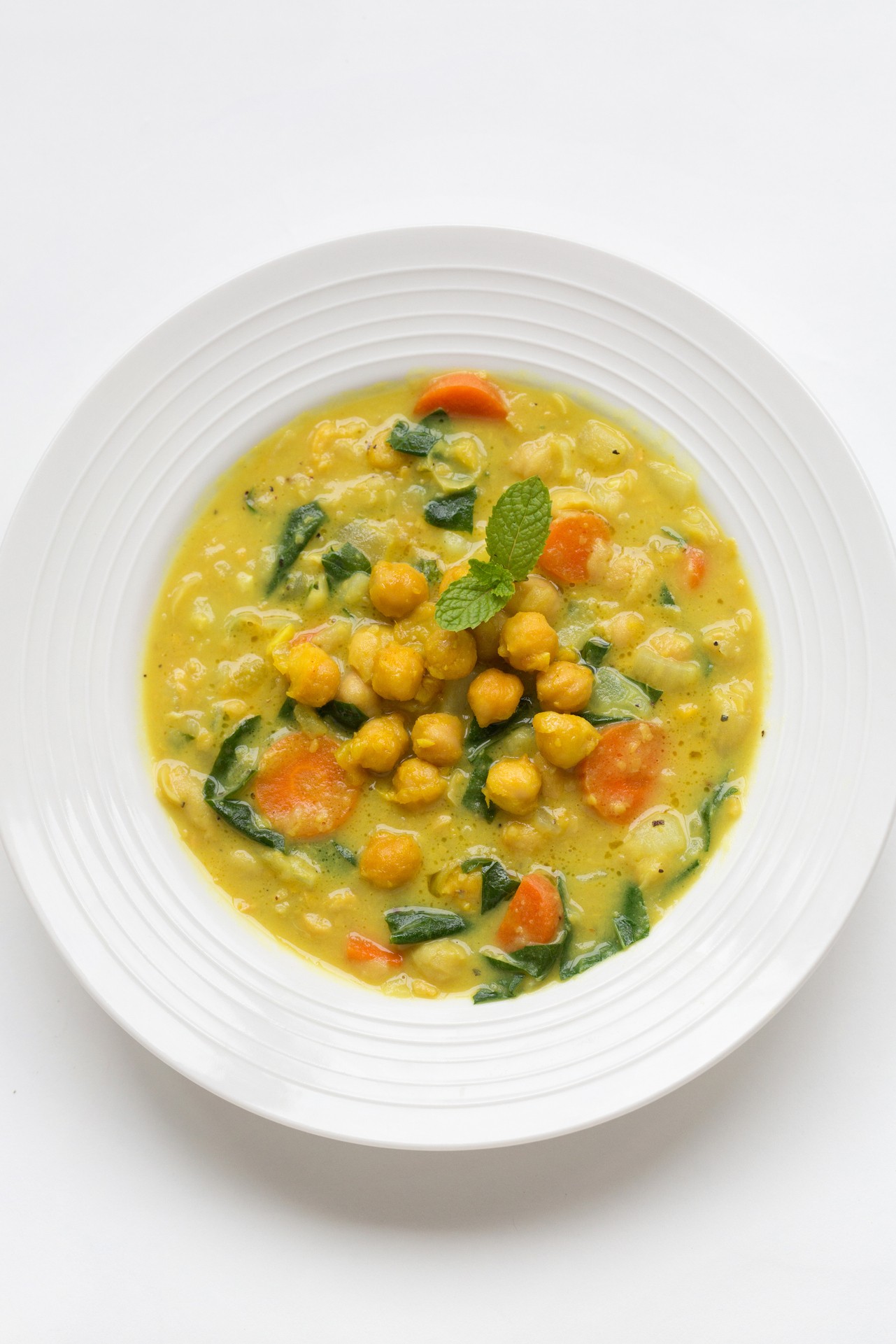
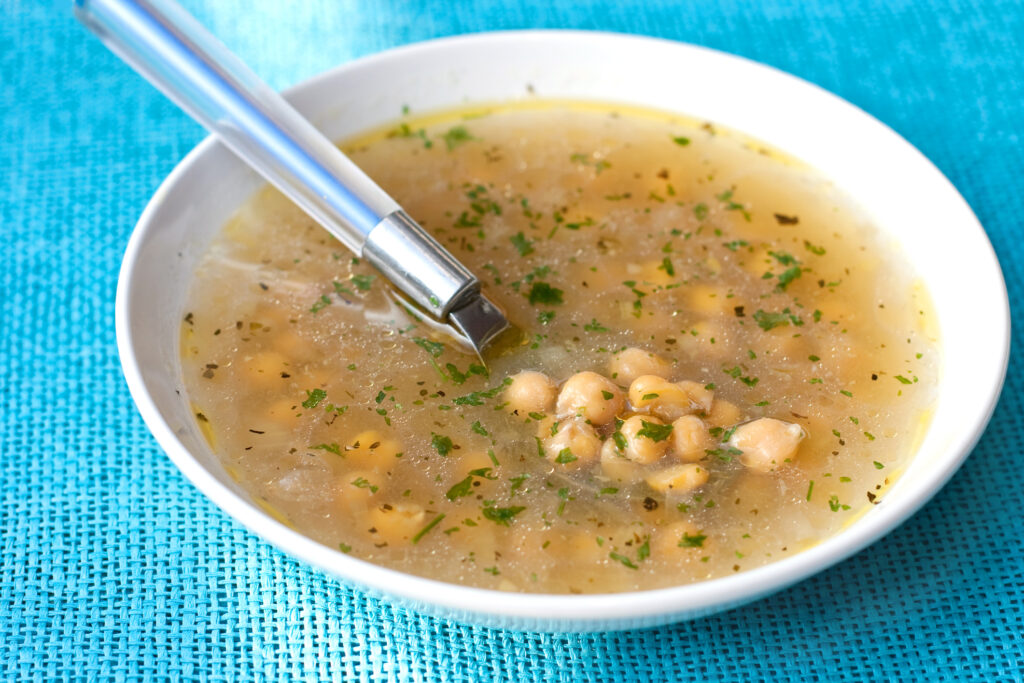
On Sunday morning, coinciding with the end of church services, the dough seal is broken. The pots are retrieved, radiating deep, retained heat. The result is a transformation of texture: the chickpeas break down completely, emulsifying with the oil and onions to form a creamy, velvet soup. It is a dish that cannot be rushed, tasting of woodsmoke, earth, and the deliberate, slow pace of island life.