Myth and Historical Roots
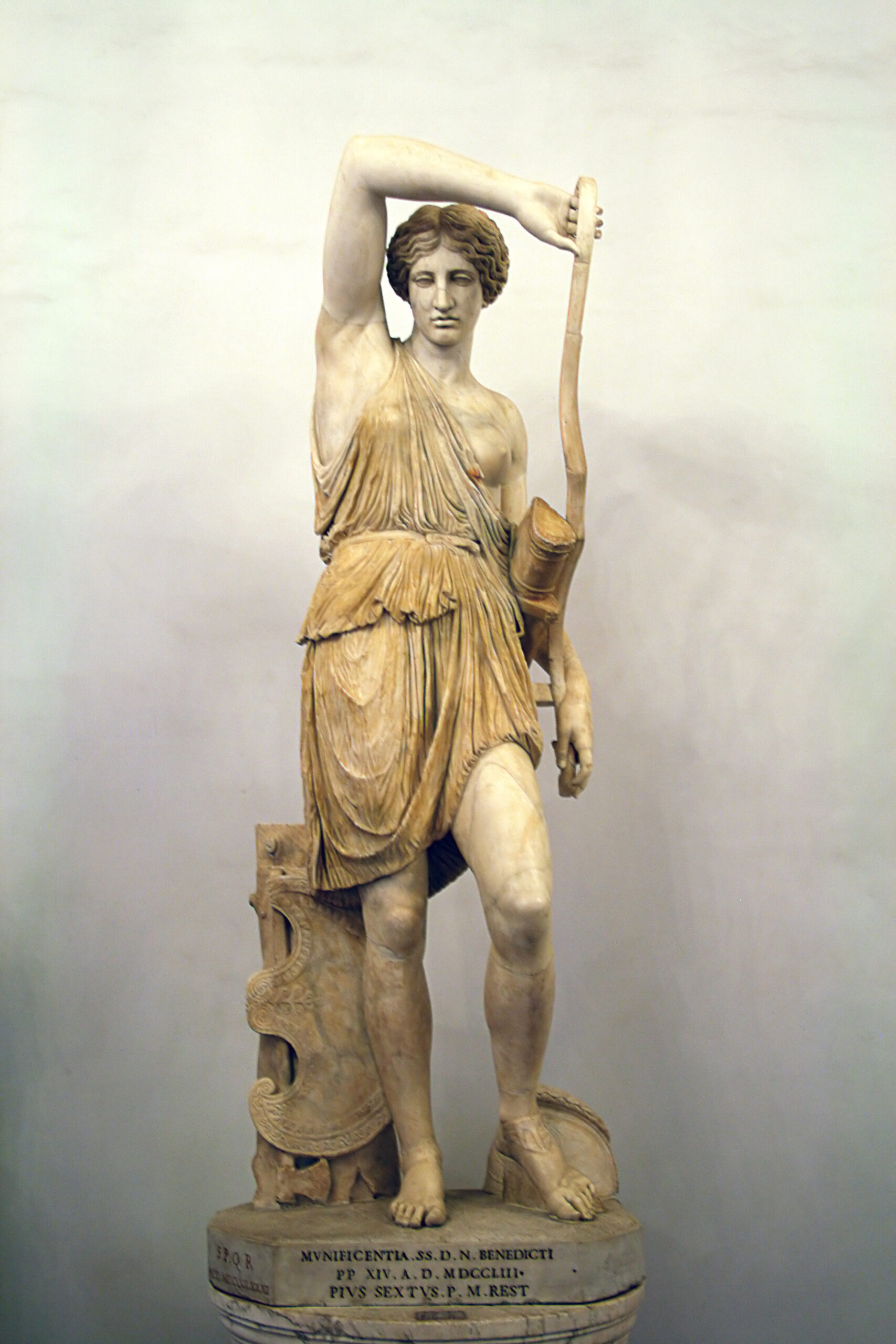
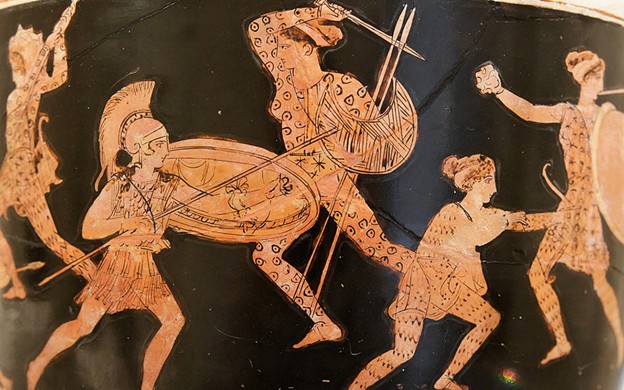
The Amazons are a mythological tribe of warrior women in Greek mythology, often depicted as fierce, independent, and living apart from men. According to myths, they hailed from regions near the Black Sea, often associated with Scythia or the city of Themiscyra. The Amazons were known for their exceptional combat skills, with their primary deity being Artemis, the goddess of the hunt and wilderness. They frequently appear in Greek tales, notably battling heroes like Heracles, who was tasked with stealing the girdle of their queen, Hippolyta, and Theseus, who allegedly abducted their queen Antiope. In Homer’s Iliad, they are described as “antianeira,” meaning “equal to men.”
Historically, the myth may have been inspired by real-life warrior cultures such as the Scythians and Sarmatians, nomadic peoples of the Eurasian steppes. Archaeological discoveries of Scythian graves have revealed that women were often buried with weapons and displayed signs of combat injuries, indicating that women in these societies may have participated in battle. Such findings challenge the traditionally male-dominated narrative of ancient warfare.
The Amazons symbolize a blend of fascination and fear in Greek culture, reflecting anxieties about gender roles and societal order. While the myth portrays them as a fantastical, exotic “other,” historical evidence suggests their roots in real-world matriarchal or egalitarian warrior cultures that left a significant mark on ancient imaginations.