fbpx

Echoes Through Time

The Defense of Thermopylae

A Sacrifice Against Persian Might

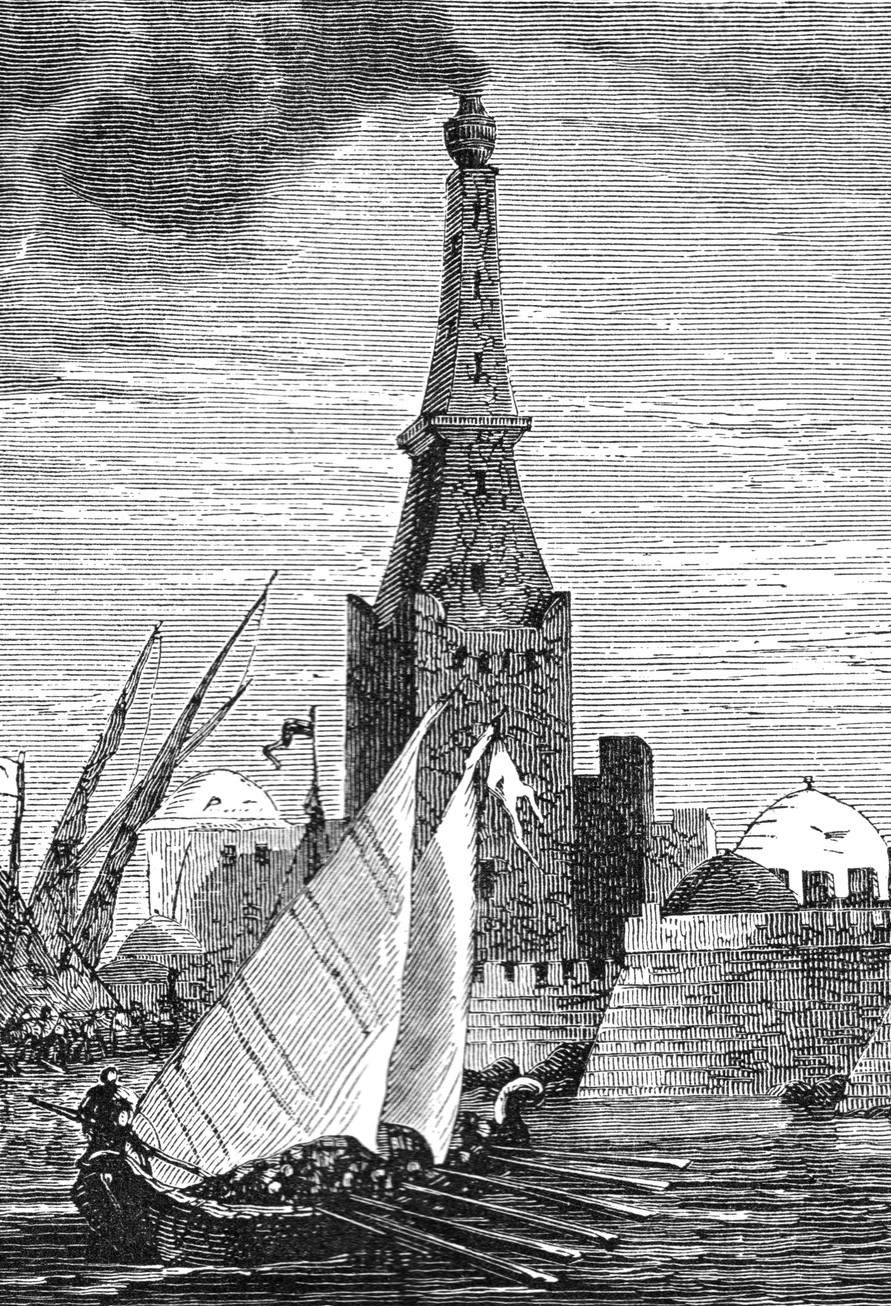
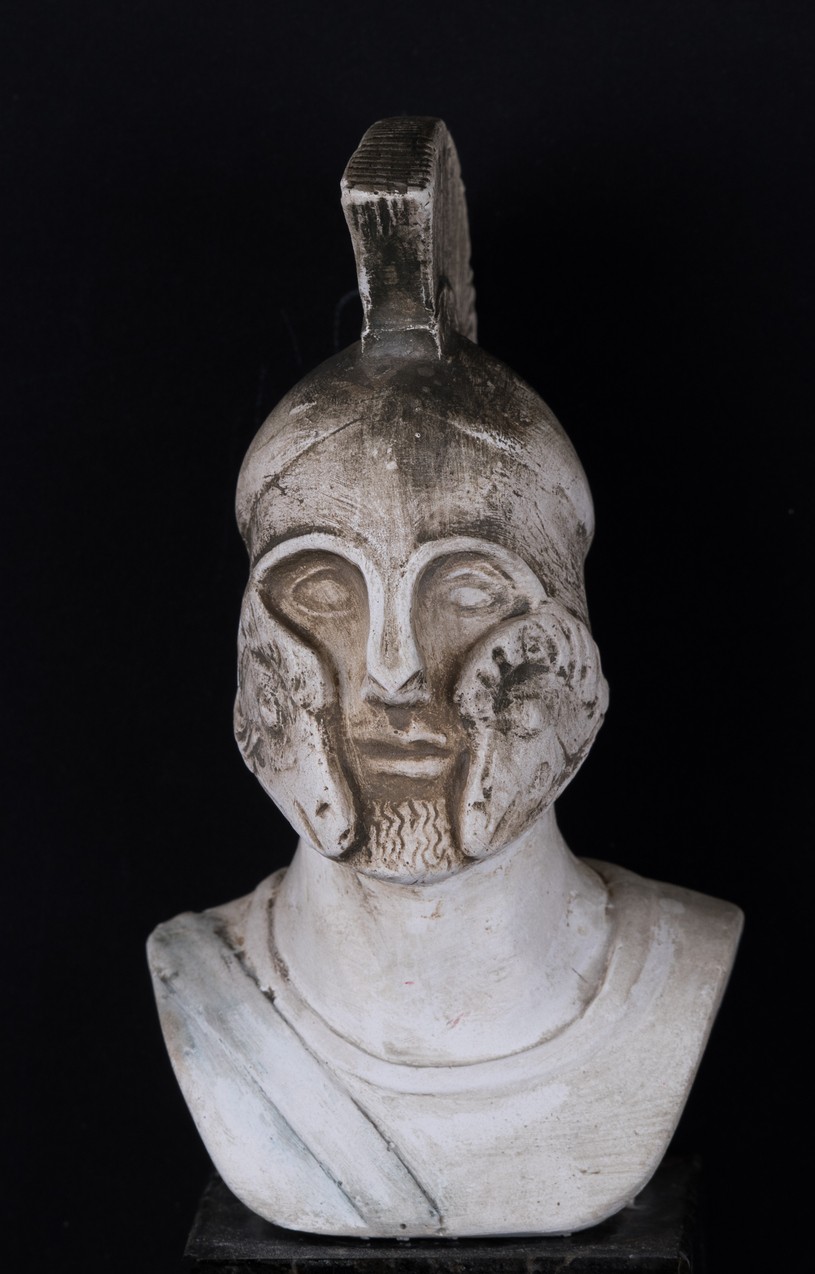
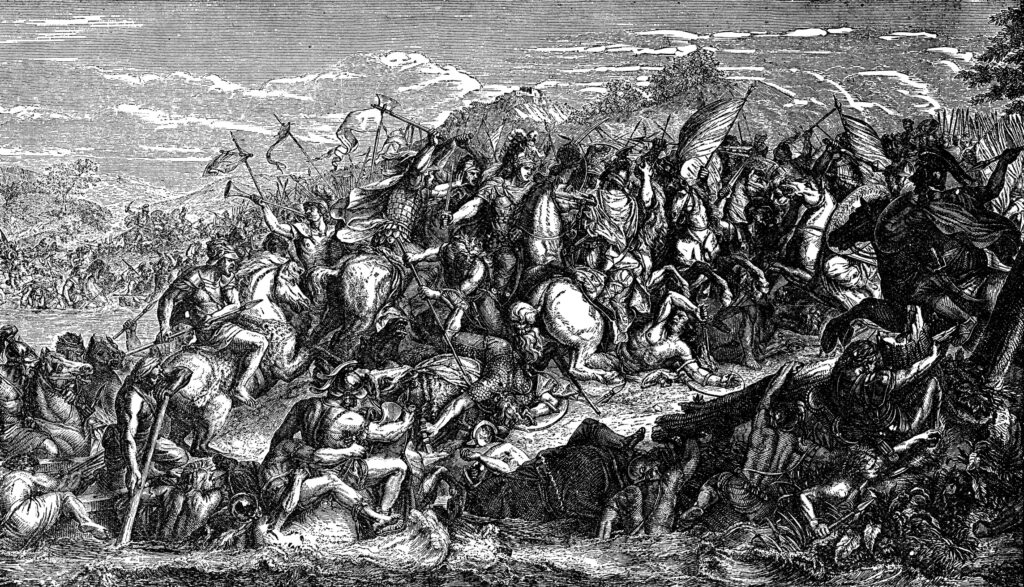
In 480 BC, the Battle of Thermopylae became a pivotal moment in the Second Persian War, showcasing a strategic defense against an overwhelming invasion force. The engagement occurred at a narrow coastal pass between the mountains and the sea, chosen by the Greek forces for its natural choke point, which negated the numerical superiority of the Persian army led by Xerxes I.

A small contingent of Greek soldiers, predominantly 300 Spartans led by King Leonidas, along with several thousand allies, positioned themselves to hold the pass. For two days, the Greek phalanx successfully repelled repeated Persian assaults, inflicting heavy casualties. Their disciplined formations and superior bronze armor proved highly effective in the confined terrain.

The tide of the battle turned when a local resident, Ephialtes, betrayed the Greeks by revealing a hidden mountain path that bypassed the main pass. Upon learning of the flanking maneuver, Leonidas ordered most of the Greek forces to retreat, while he and his 300 Spartans, along with a few hundred Thespians and Thebans, remained to cover their withdrawal. This final stand ensured the main Greek army could escape, allowing for a strategic regrouping. While a military defeat, Thermopylae served as a powerful symbol of Greek resistance and resolve, buying crucial time for Athens to evacuate and for the Hellenic League to prepare for subsequent naval and land battles.
Leave a comment

Leave a Reply

Your email address will not be published. Required fields are marked *

Comments

Related Stories from

About the Period

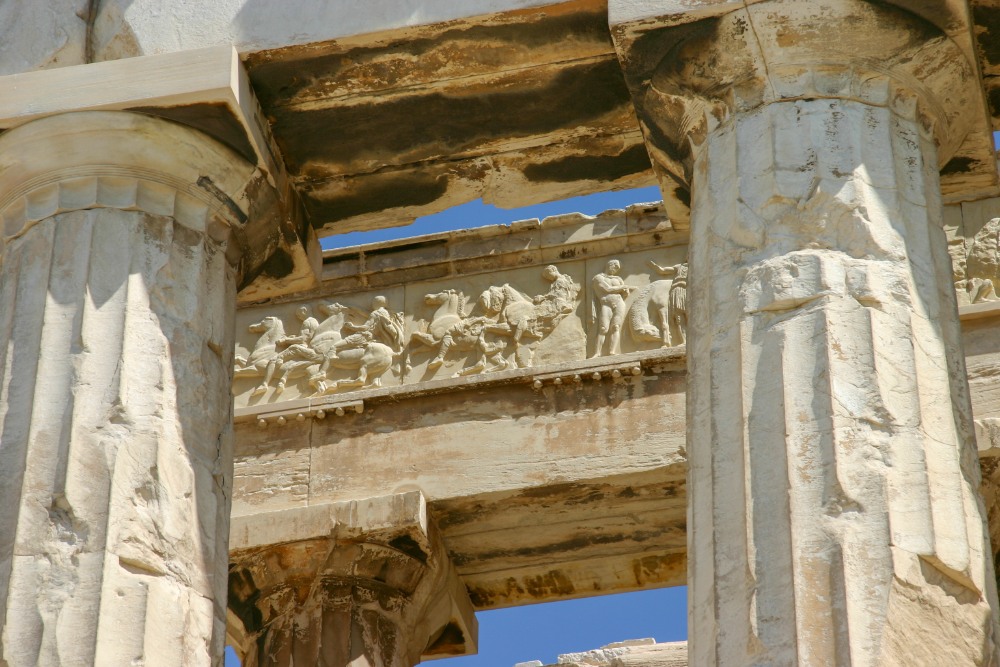
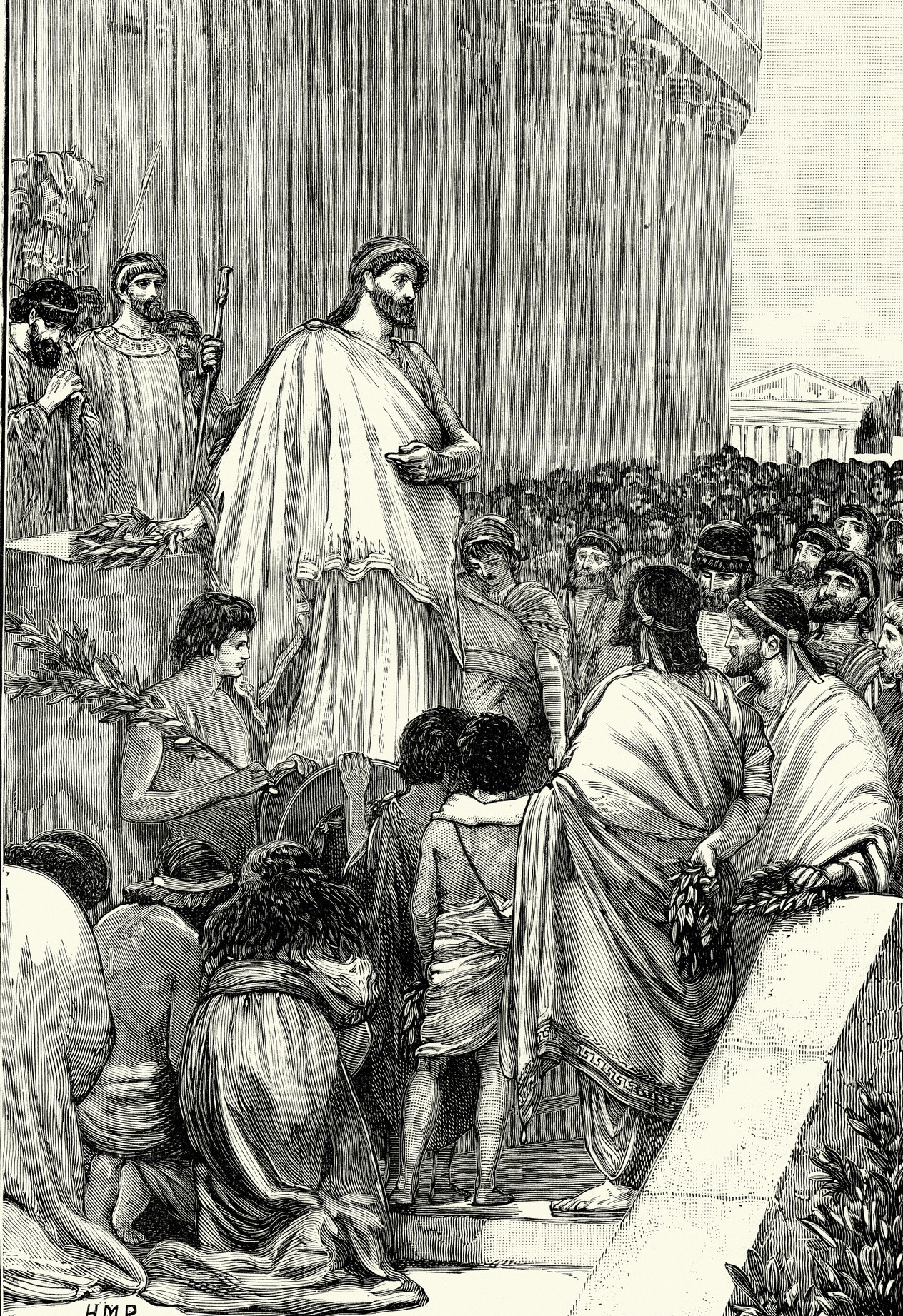
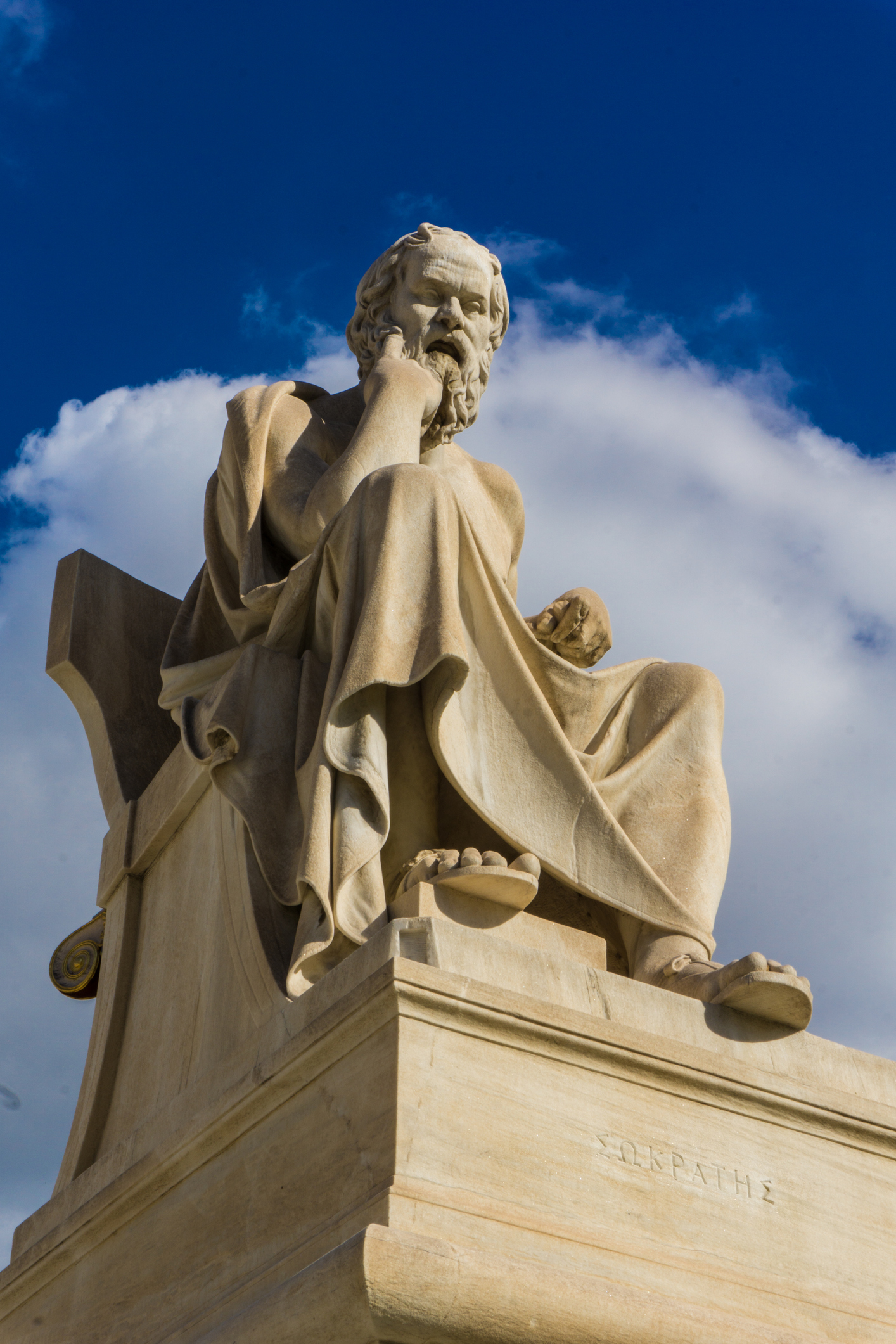
The era known as the Golden Age of Greece (481-323 BC) flourished notably in the 5th century B.C. showcasing progress in artistry, philosophy and governance systems. Athens rose to prominence as the leader of cities in 478 BC. During this period the construction of landmarks like the Parthenon reflected the city’s prosperity and artistic excellence. It was a time when renowned thinkers such as Heraclitus, Socrates, Plato and Aristotle emerged, leaving a lasting impact on ideologies and scholarly endeavors. During the Golden Age of theater, in times renowned playwrights such as Aeschylus, Sophocles and Euripides crafted tragedies while Aristophanes brought laughter with his comedies. This artistic flourishing not shaped civilization profoundly but also left an indelible mark on future generations. The era culminated in the Pan Hellenic Congress of Corinth in 338–337 B.C., where Philip II of Macedon emerged as the chosen leader of the forces for a campaign against the Persians. After Philip’s death, his son Alexander embarked on his conquest in 334 B.C.

Share

Subscribe to gr2me for free!

Subscribe now and you will receive a coupon for two free movie rentals when we launch our Pay-Per-View service.

Become a subscriber and receive our free newsletter!

* indicates required
Insterests