
The art and tradition of Greece’s Spoon Sweets
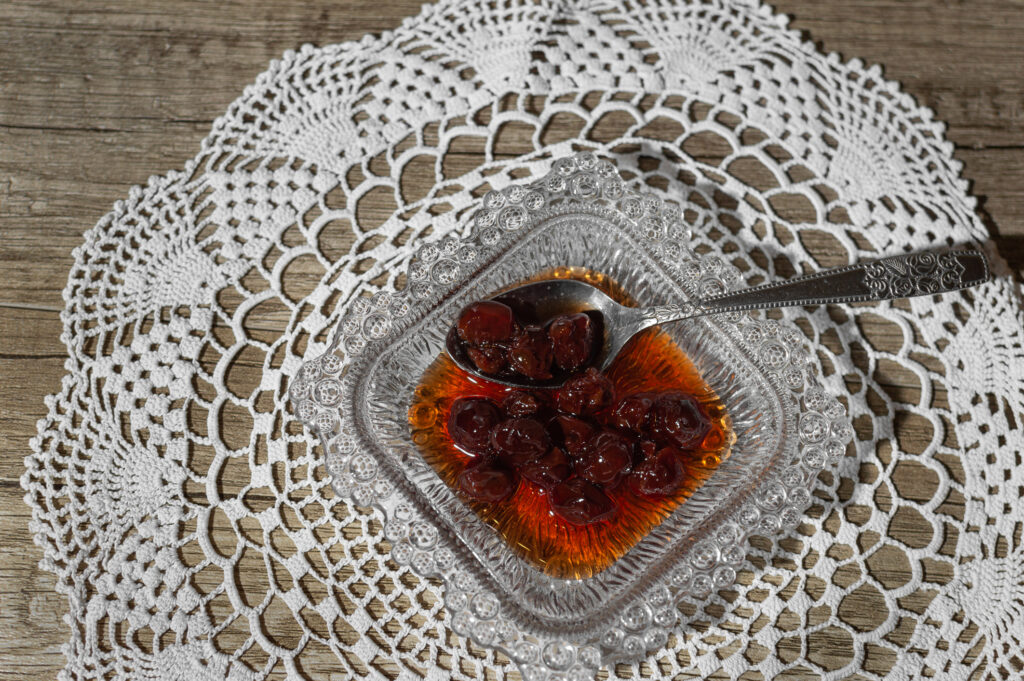
In the cool, dark pantries of Greek homes, the passage of time is arrested and suspended within glass jars. Lined up against the light, these vessels resemble edible stained-glass windows: the deep ruby of wild sour cherries (vissino), the translucent gold of shredded quince, the emerald green of unripe figs, and the pale pink of rose petals. These are the glyka tou koutaliou, or “spoon sweets,” a culinary tradition that functions less as a dessert and more as the edible currency of Greek hospitality.
Born from the practical necessity to preserve the abundance of the Mediterranean harvest before the era of refrigeration, the practice evolved into a refined domestic art. Unlike jams or marmalades where fruit is crushed into a spread, the objective here is structural integrity. Through a delicate process of slow boiling, seasonal bounties are coaxed into absorbing sugar syrup while retaining their original shape, texture, and vibrant color. The chemistry is precise; the syrup must reach a specific density—often tested by dropping a bead onto a fingernail to see if it holds its shape—to prevent fermentation or crystallization.
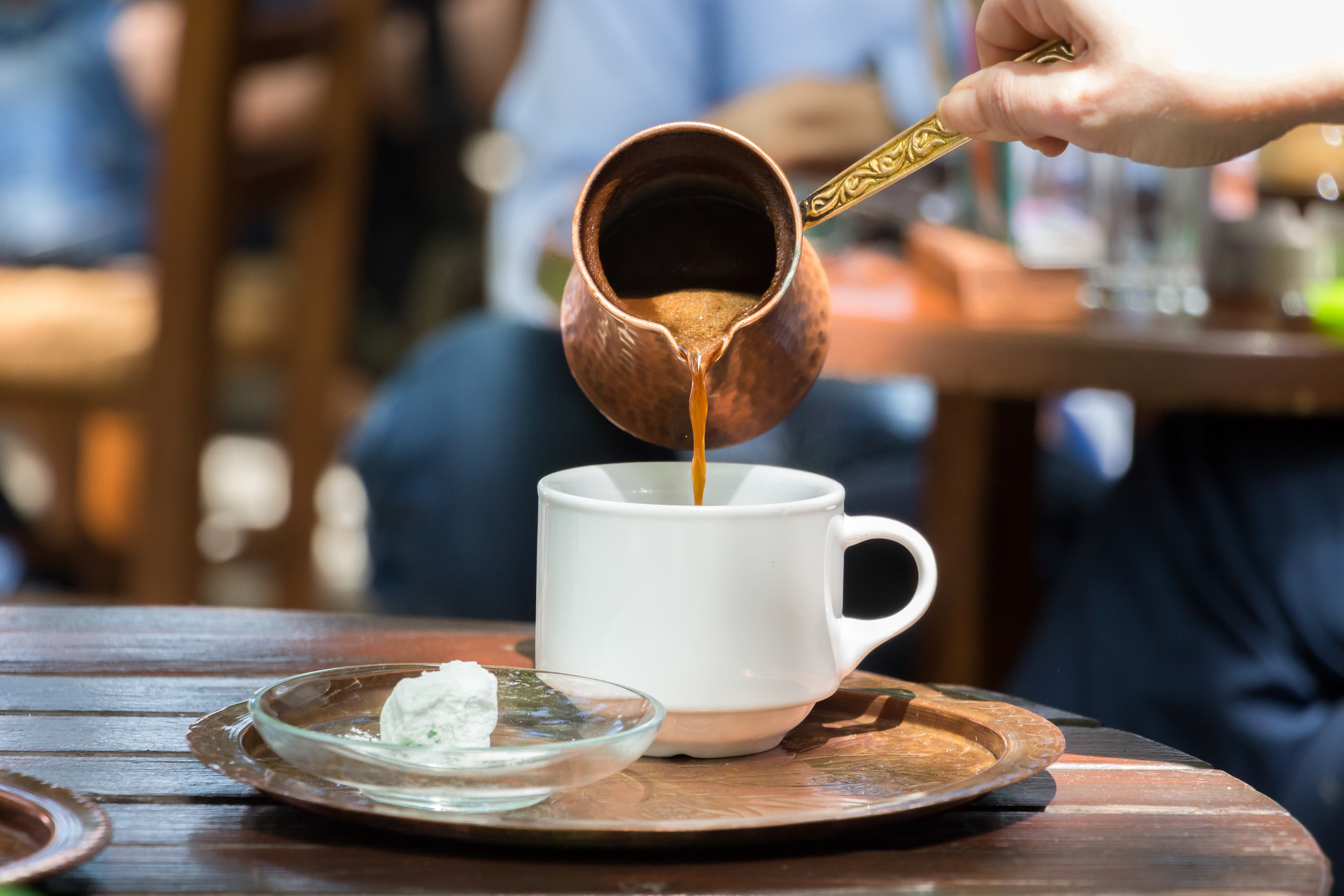
The ingenuity of the tradition lies in its scope. Nothing is wasted. Bitter orange peels are rolled into tight spirals, unripe walnuts are cured until they turn black and tender, and even baby eggplants or tomato skins are transformed into delicacies.The consumption of these sweets is governed by a strict social protocol. As the name implies, the portion is diminutive—a single teaspoon served on a small crystal dish. This is invariably accompanied by a tall glass of ice-cold water and often a strong coffee. The ritual serves as a gesture of philoxenia, offering the guest a quick infusion of energy and a literal taste of the landscape, preserved in amber to outlast the fleeting harvest.