
The Ingenious Stone Bridges of Vikos Gorge
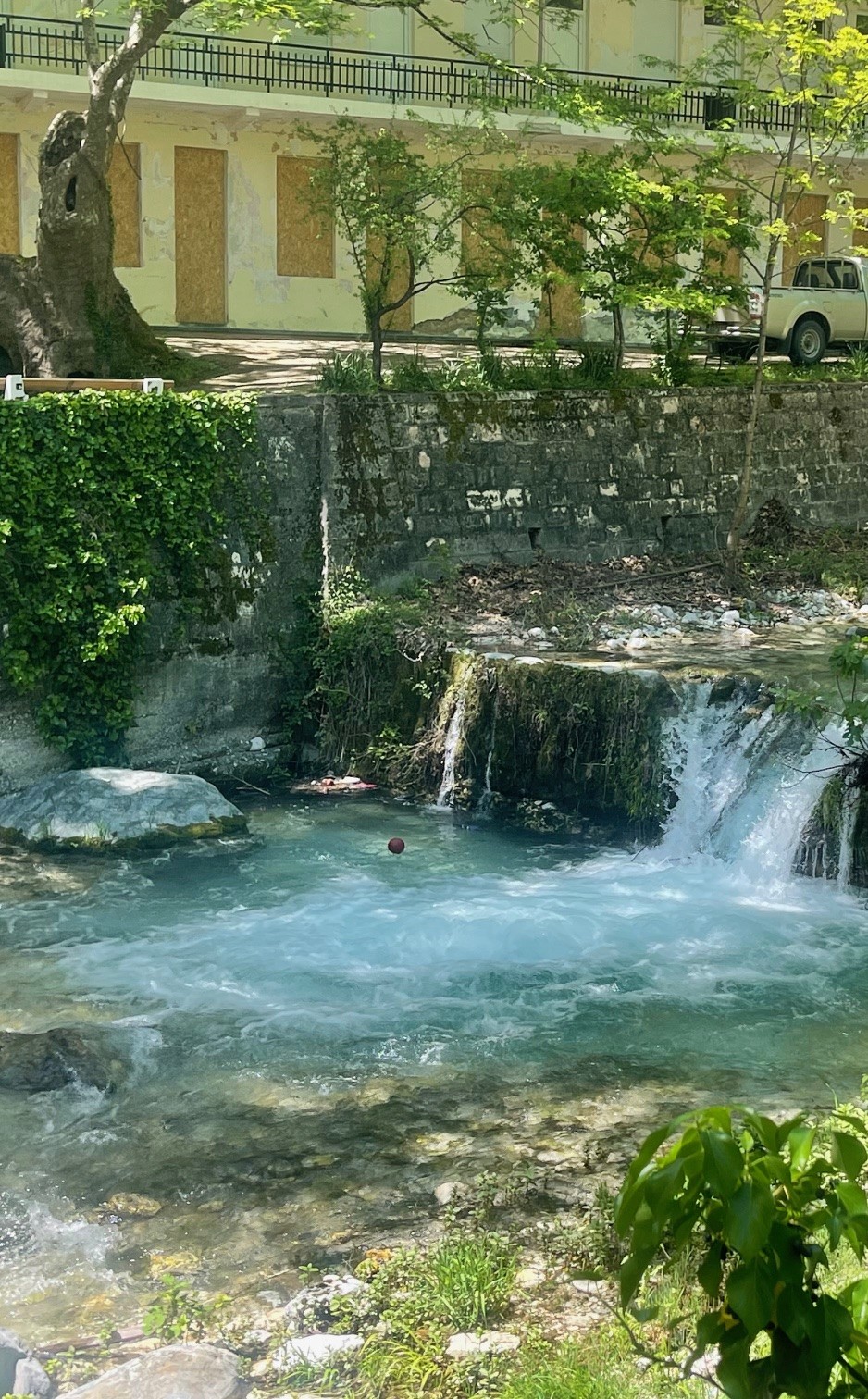
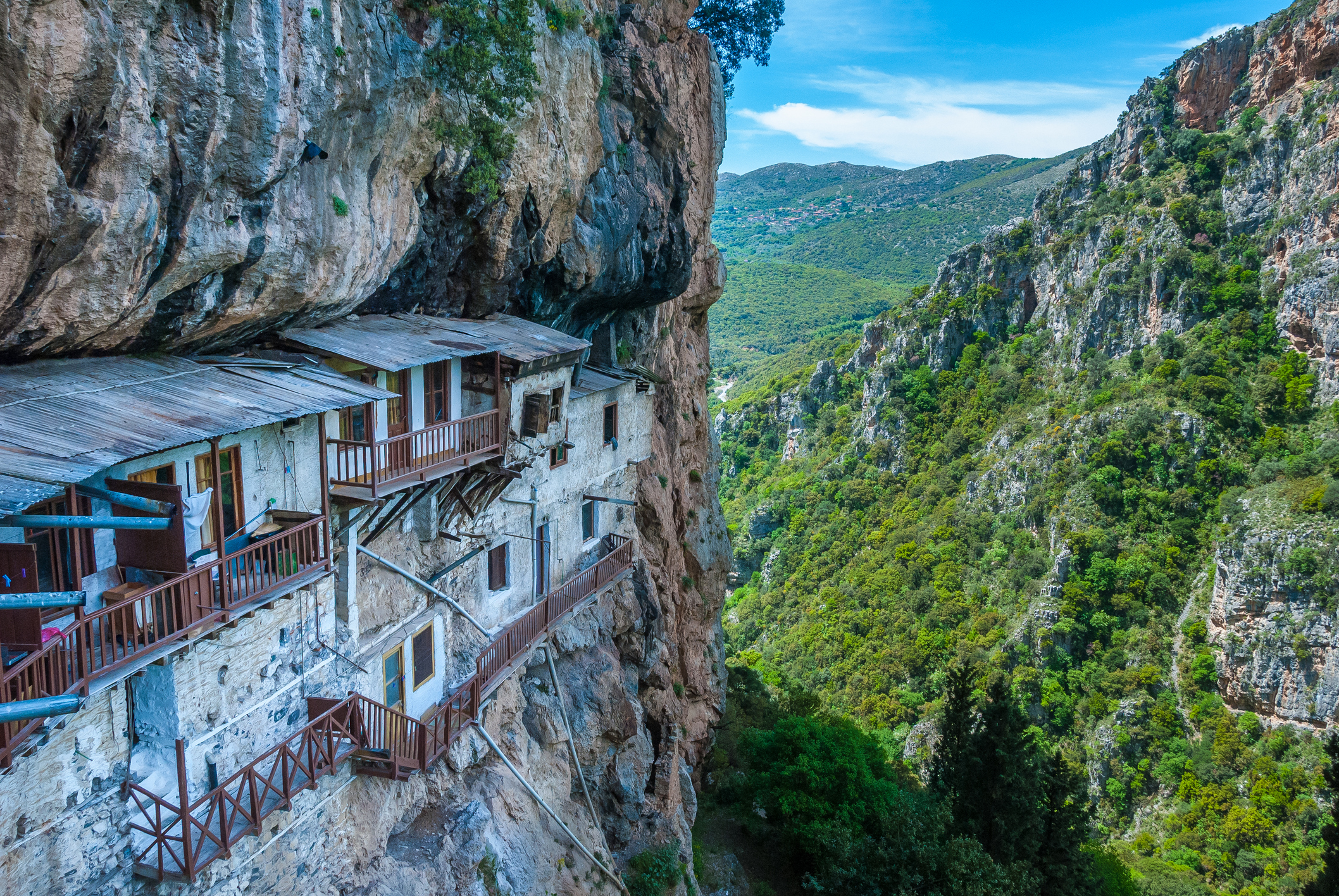
In the mountainous region of Zagori, located in Epirus, Greece, a unique intersection of geology, architecture, and folklore characterizes the local infrastructure. The area is defined by the Vikos Gorge and the Voidomatis river, but it is the collection of traditional stone bridges that draws particular attention for their structural and acoustic properties.
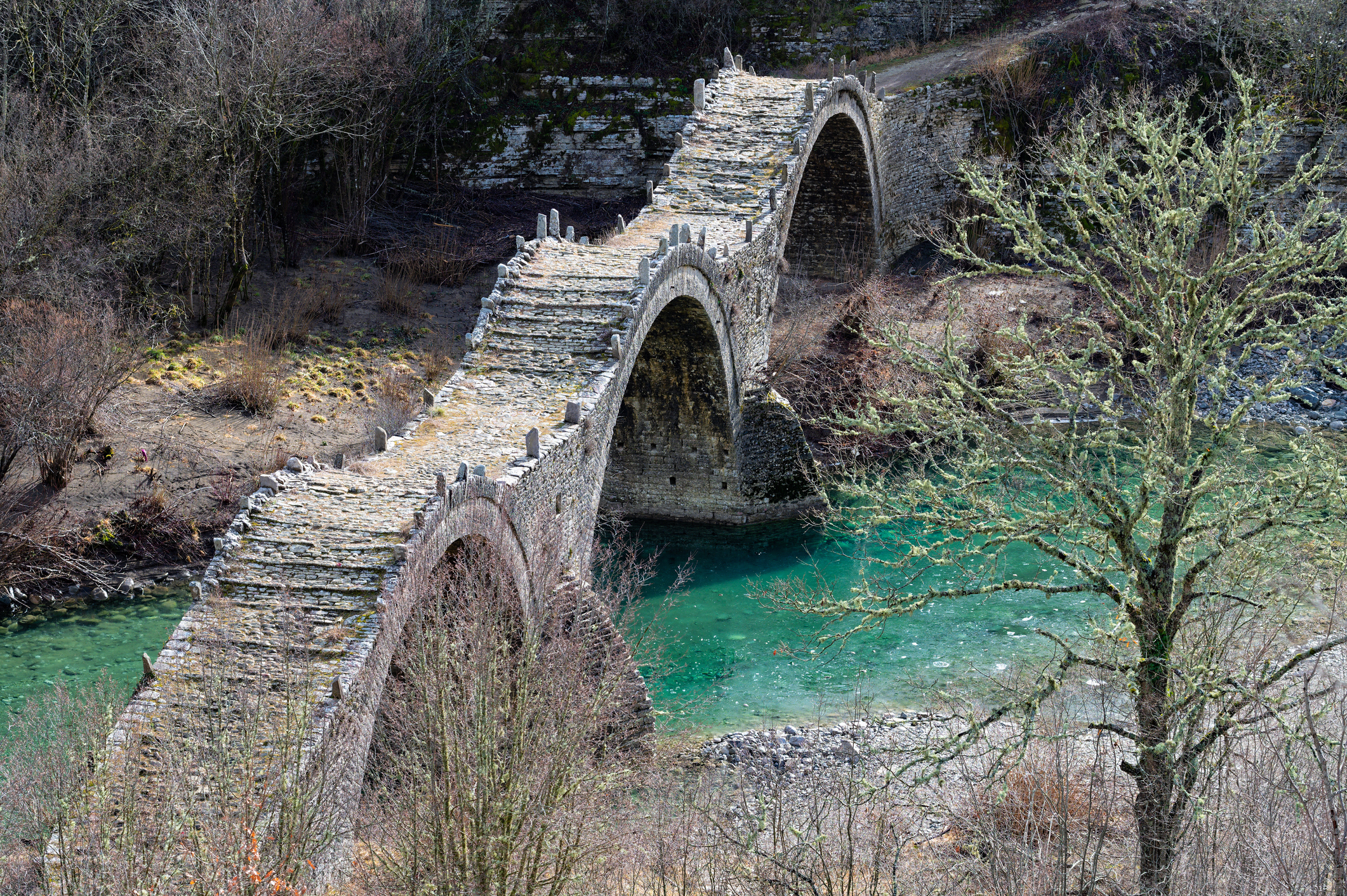
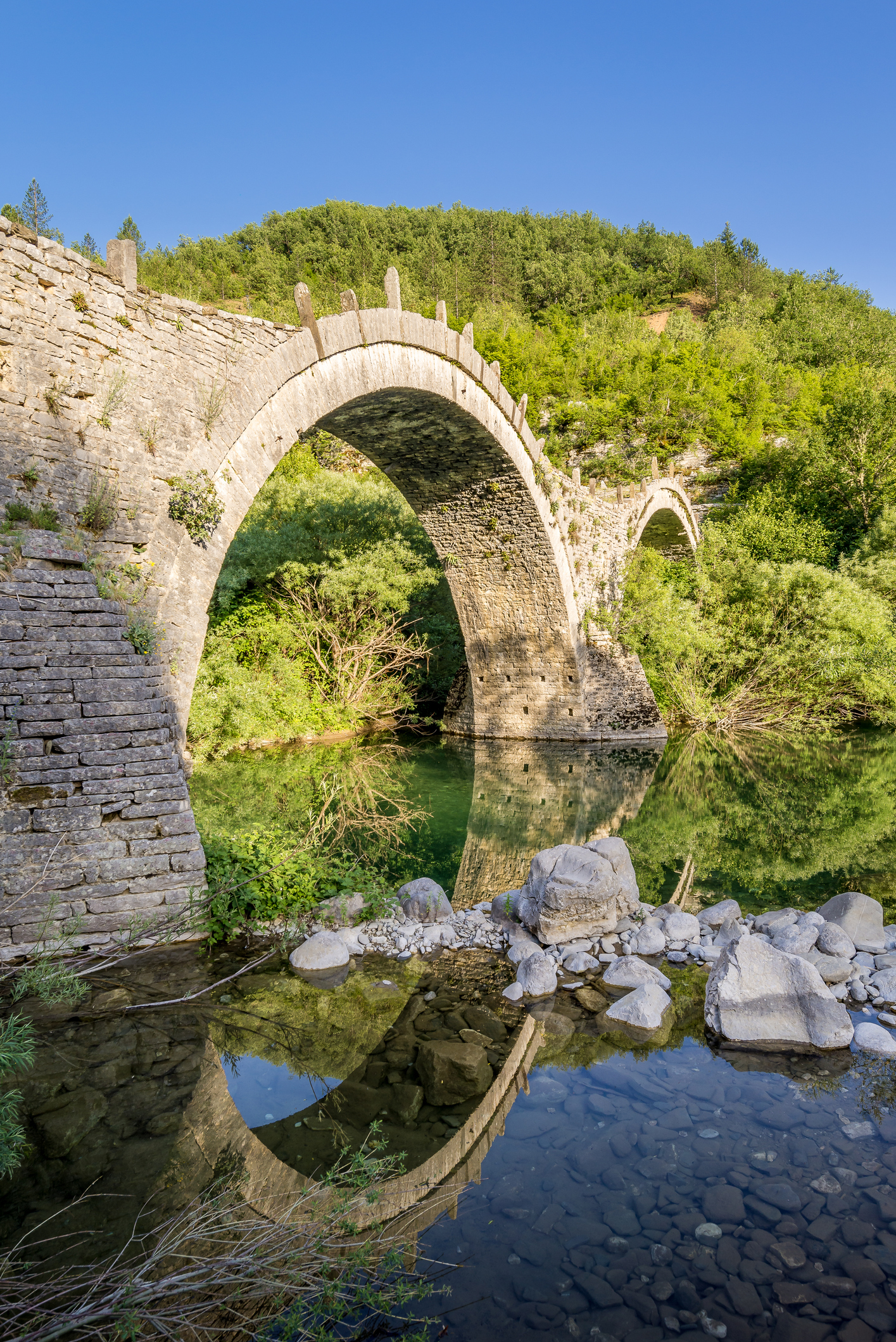
These bridges, dating back to the 18th and 19th centuries, were constructed by master masons known as koudaroi. Built without mortar, the structures rely on the precise placement of shale and limestone to form single, double, and triple arches capable of withstanding the region’s harsh weather and river currents.
Beyond their engineering, these bridges are noted for a specific acoustic phenomenon often referred to in local folklore as “singing stones.” The wind channeling through the Vikos Gorge—which holds a Guinness World Record for its depth-to-width ratio—creates a distinct resonance when striking the limestone cliffs and the stone arches.
Historical accounts of the construction process suggest this acoustic quality was intentional rather than accidental. Traditional building methods involved masons striking raw stones with tools to test for density and structural integrity. A clear, resonant sound indicated a stone was free of internal fissures and suitable for load-bearing arches. Consequently, bridges were built from materials selected for their sonic qualities as much as their strength.
Today, this phenomenon remains observable at locations such as the Kokkoris and Plakidas bridges. The combination of the canyon’s natural wind tunnels and the specific density of the masonry creates a low-frequency hum, providing a tangible link to the pre-industrial engineering techniques of the region.