Trade and Cultural Exchange
Thrace, situated strategically between Europe and Asia Minor, served as a crucial corridor for the Silk Road’s western extensions. Its mountainous terrain, particularly the Rhodope and Balkan ranges, presented natural barriers, yet its valleys provided vital passages for trade caravans. This region facilitated the flow of goods and ideas between the Eastern Mediterranean and the vast networks originating in China and India.
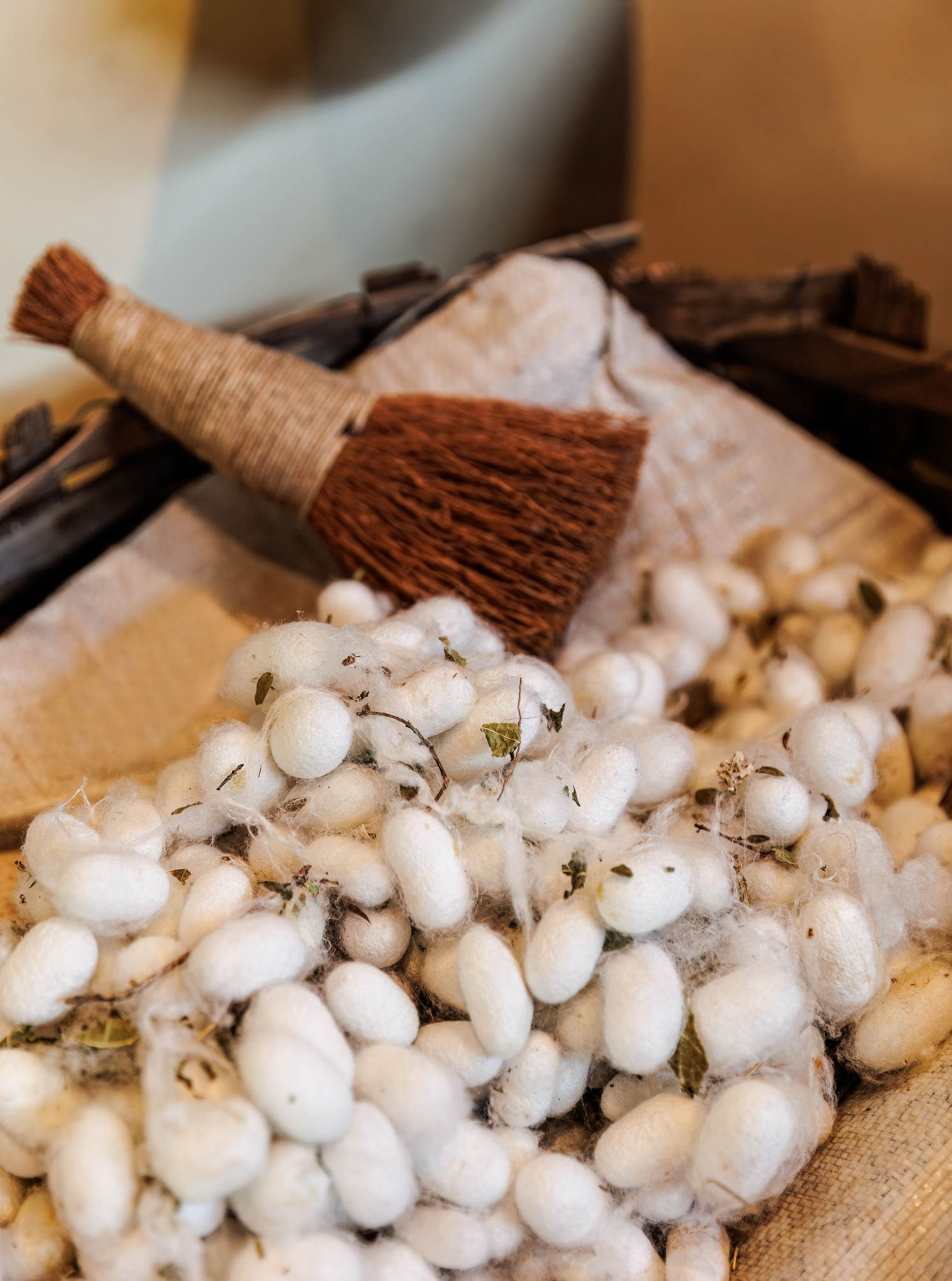
Caravans traversing Thrace conveyed a diverse array of commodities. From the East, precious silks, spices, perfumes, and gemstones entered the region, destined for markets in the Roman and later Byzantine Empires. In return, Thrace contributed its own valuable resources to the trade. Local produce included grains, timber, and renowned Thracian wines. Furthermore, Thrace was known for its mineral wealth, with gold, silver, and iron extracted and circulated along these routes.
Trade activities concentrated at strategically located towns and fortified settlements. These hubs offered rest, resupply, and markets where merchants from various cultures converged. The exchange fostered significant cultural interactions, introducing foreign goods, technologies, and religious practices into Thracian society. The diverse languages and customs encountered by local populations contributed to a vibrant, syncretic cultural landscape.
Banditry and logistical challenges, such as maintaining passable roads and securing trade routes, were constant concerns that required vigilance from local authorities and caravan leaders alike. Despite these difficulties, the economic incentives ensured the continuous operation of these routes. Thrace’s role on the Silk Road thus positioned it as a vital intermediary, sustaining both its own economy and the broader intercontinental trade network for centuries.