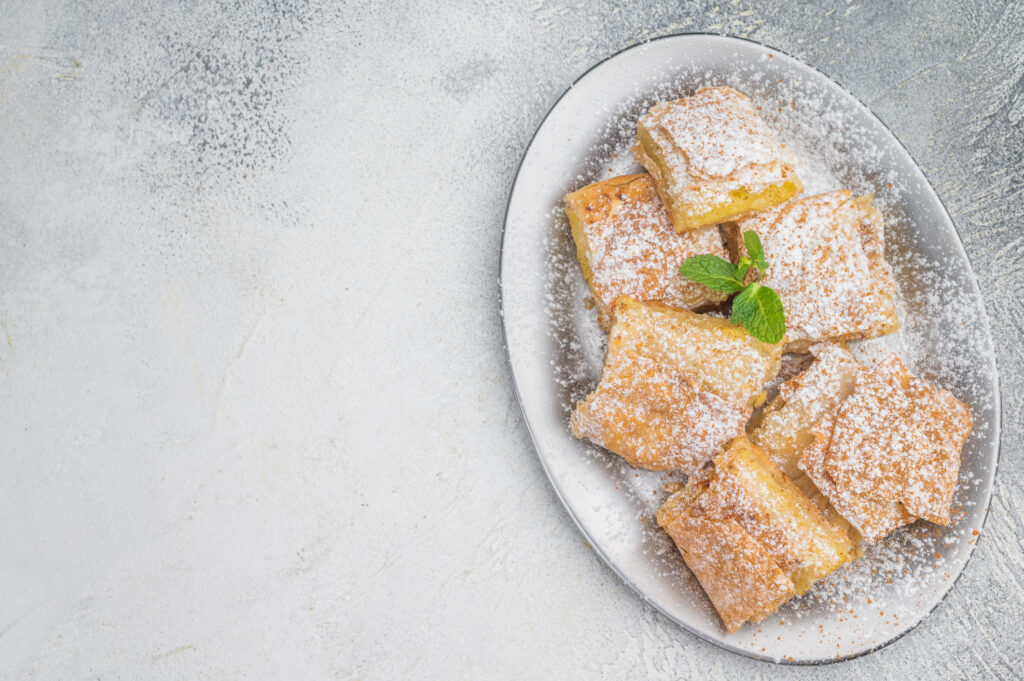
The Origins and Spirit of Bougatsa
Bougatsa is a quintessential Greek pastry with roots that trace back to the Byzantine and early Ottoman periods, though its modern form emerged and evolved in the 19th and 20th centuries. Its name likely derives from the Turkish word “boğaça” or the Arabic “börek,” reflecting the long-standing culinary exchange across the Eastern Mediterranean. The pastry has long been associated with Thessaloniki, where it gained iconic status, but its origins are broader, incorporating influences from the general kulıç bakery traditions of the region.
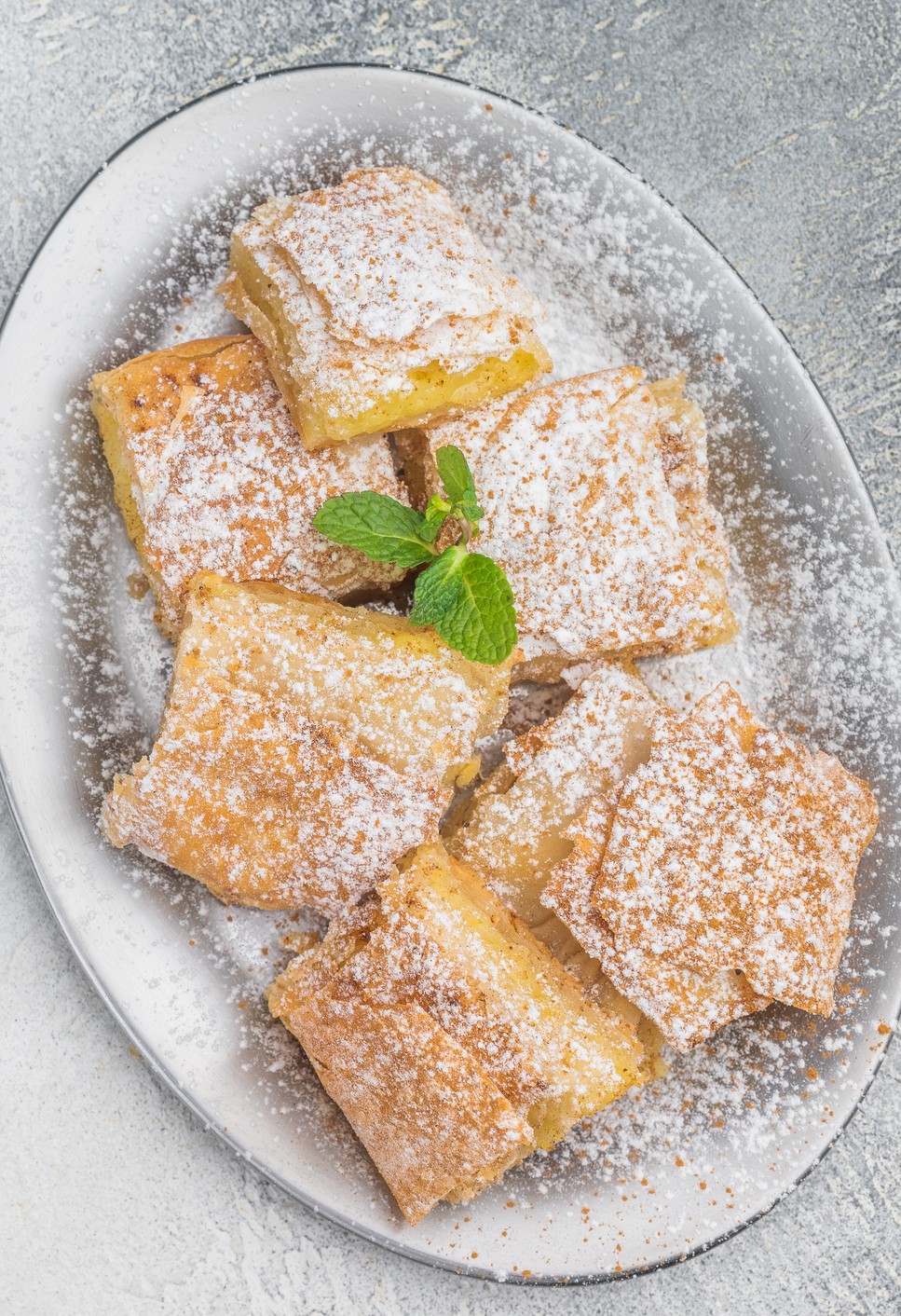
Historically, bougatsa is a type of phyllo pastry. Traditionally, it was made with a semolina custard filling (glykó bougatsa) or with a savory minced-meat or cheese filling (kima or tyri). In Ottoman-ruled Greece, puff pastry techniques and semolina-based fillings were common in many cities, and bougatsa became a convenient street food sold by itinerant vendors and in bakeries. The semolina version, often sweetened with honey or powdered cinnamon and sugar, reflects Greek tastes for dessert pastries that could be eaten on the go or at feasts.
In Thessaloniki, bougatsa reached a codified form in the late 19th and early 20th centuries, with dedicated bougatsa shops and street stalls becoming cultural landmarks. The signature texture—crisp, paper-thin phyllo encasing a creamy semolina custard—became a defining culinary symbol of the city. Across Greece, bakers adapted the recipe, adding variations like vanilla, lemon zest, or orange blossom water to the custard, while savory versions with feta, ricotta, or minced meat persisted in different regions.
Today, bougatsa is enjoyed nationwide as both a breakfast pastry and a snack, often dusted with powdered sugar and cinnamon for the sweet version, or served with olives, tomatoes, or a simple cup of Greek coffee for the savory. Bakeries and cafés across Greece advertise bougatsa as a bridge between tradition and modern street-food culture, preserving a sense of regional pride while inviting travelers to experience a bite of Greek daily life. For many, bougatsa is less a single recipe than a living tradition that reflects local ingredients, seasonal variations, and the enduring Greek love of pastry.